Biofeedback for Stroke Rehabilitation
Recovering from stroke requires practice, and practice requires information. Biofeedback provides it, translating subtle muscle activity or movement into a signal the patient can see or hear and use to improve performance.
How it helps
After stroke, the brain may not send clear commands, and a person may not sense small movements or know whether they are using the right muscles. Biofeedback gives immediate sensory feedback that can guide effort, maintain motivation and promote plasticity. It also helps counter learned non-use of a weak limb.
Types used in rehabilitation
- Electromyographic (EMG) biofeedback: sensors on the skin record muscle activity, and the display shows whether the target muscle is contracting or relaxing. It is used for wrist, hand, shoulder, ankle and facial muscles, and for reducing abnormal co-contraction.
- Position and motion feedback: sensors or cameras show joint angles or movement quality, including during reaching and balance training.
- Force-plate and balance biofeedback: shows weight distribution to improve standing and walking symmetry.
- Gait biofeedback: shoe sensors or treadmills provide cues on step length, timing or weight bearing.
- EMG-triggered electrical stimulation: when the patient generates a threshold muscle signal, a stimulator assists the movement.
- Virtual reality and gaming: visual feedback in an engaging environment.
- Swallowing biofeedback: surface EMG and other tools help with dysphagia therapy.
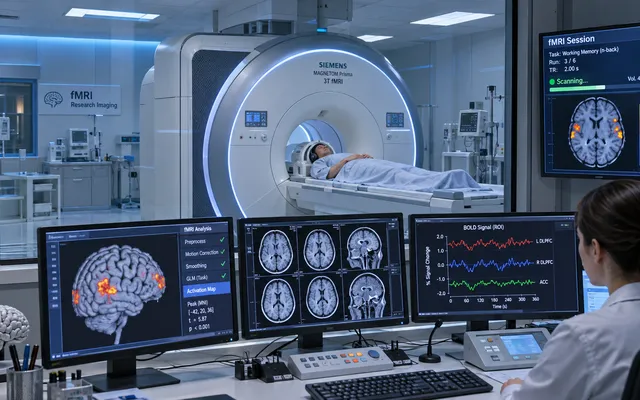
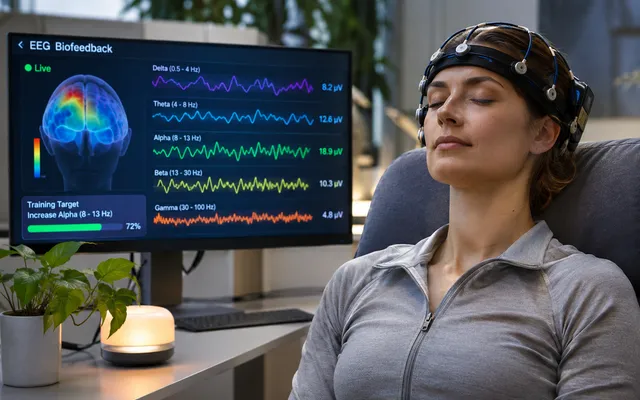
- Neurofeedback and brain-computer interface rehabilitation: EEG-based systems that detect movement intention and trigger a robot or stimulation, linking brain activity with movement. Trials suggest benefit for arm function in some patients, and this is an active research area.
What the evidence says
Cochrane reviews found that EMG biofeedback combined with conventional therapy may improve ankle movement and gait in some patients, though effects were small to moderate and study quality varied. For upper limb function, evidence is mixed, and brain-computer interface-based training has shown promising improvements in clinical trials with moderate evidence. In general, biofeedback works best as an add-on to intensive, task-specific rehabilitation, not as a stand-alone treatment.
Practical tips
- Ask your therapy team whether biofeedback is available and suited to your goals. Physical and occupational therapists often use it.
- Practice consistently, because it is repetition with feedback that drives change.
- Set functional goals, such as picking up a cup or walking to the mailbox.
- Home devices: some systems allow tele-rehabilitation, with supervision.
- Combine with other therapies, including strengthening, constraint-induced therapy and task practice.
- Consider safety: sensors are generally safe, and people with pacemakers or implanted devices should check with their clinician before electrical stimulation.
- Be realistic, since recovery varies and depends on stroke severity.
Looking ahead
Researchers are developing wearable sensors, smartphone-based feedback, robotics and virtual reality that can extend therapy into the home, and closed-loop systems that combine brain signals with stimulation. Larger trials will show which patients benefit most. Meanwhile, the best predictor of progress remains consistent, well-supervised practice.
Takeaway
Biofeedback turns invisible effort into visible feedback. Used by a skilled therapist, it can help stroke survivors make the most of every practice session.
Further reading from authoritative sources
- National Institute on Aging (NIA)
- National Institute of Neurological Disorders and Stroke (NINDS)
- National Center for Complementary and Integrative Health (NCCIH)
This article is educational and does not replace advice from a licensed clinician. See the medical disclaimer. Looking for specialist care? Browse the neurology clinic directory.