How the Brain Repairs Itself with Age
The brain does not regenerate as readily as skin or liver, but it has a surprising ability to adapt and repair itself, even in later life. Understanding these processes helps explain recovery after stroke and why activity matters.
Synaptic plasticity
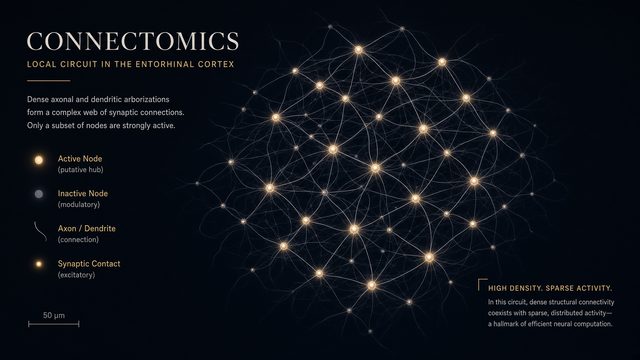
The main mechanism of repair is rewiring. Neurons form new synapses, strengthen useful connections and prune unused ones. After injury, nearby regions can take over some functions, and learning and practice drive this reorganization. Plasticity declines with age and is slower, but it persists. Studies of older adults learning new skills, such as juggling or digital photography, show brain changes and improved performance.
Remyelination
Oligodendrocyte precursor cells in the adult brain can mature into oligodendrocytes and rebuild myelin, the insulation around axons, after damage. This process is active in multiple sclerosis lesions but becomes less efficient with age. Research on drugs that promote remyelination is ongoing, and exercise and learning are associated with myelin plasticity in animal studies.
Neurogenesis
New neurons form in the hippocampal dentate gyrus of many mammals throughout life. Evidence for adult human neurogenesis has been debated. A 2018 study by Maura Boldrini and colleagues reported that new neurons are present in older adults' hippocampi, while another study by Shawn Sorrells and colleagues found little evidence beyond childhood. Methods and interpretations continue to be debated. Whatever the final answer, the process appears limited in adults and declines with age, and appears reduced in Alzheimer's disease.
Clearing waste
Microglia and astrocytes clear debris, and the glymphatic system, which is most active during deep sleep, helps flush waste products from the brain. Maintaining sleep quality supports these repair-related functions.
Glial support and vascular repair
Astrocytes support synapses and respond to injury, and blood vessels can remodel and form new capillaries. Healthy circulation is essential for repair. Chronic hypertension, diabetes and inflammation impair these processes.
What supports repair
- Exercise: raises BDNF and improves blood flow and plasticity.
- Learning and rehabilitation: repeated, challenging practice drives reorganization.
- Sleep.
- Healthy diet and vascular control.
- Social and cognitive engagement.
- Prompt treatment: for stroke, rapid care limits damage.
- Avoid harm: limit alcohol, smoking and head injuries.
Limits
Repair is incomplete, and large injuries or advanced neurodegeneration cannot be reversed by lifestyle alone. Claims of miracle regeneration treatments should be viewed critically, and stem cell clinics offering unproven treatments carry risks.
Recovery after stroke and injury
After a stroke or head injury, the greatest recovery usually happens in the first weeks and months, when plasticity is heightened, but gains can continue for years with continued therapy. Rehabilitation that is intensive, task-specific and repeated gives the brain the most signal for reorganization. Older age slows recovery, but older adults still benefit significantly from rehabilitation and should not be written off.
Takeaway
The aging brain retains meaningful ability to adapt. Supporting that capacity with movement, learning, sleep and good vascular health is the most practical way to help it repair itself.
Further reading from authoritative sources
This article is educational and does not replace advice from a licensed clinician. See the medical disclaimer. Looking for specialist care? Browse the neurology clinic directory.