Inflammation and Neurodegeneration
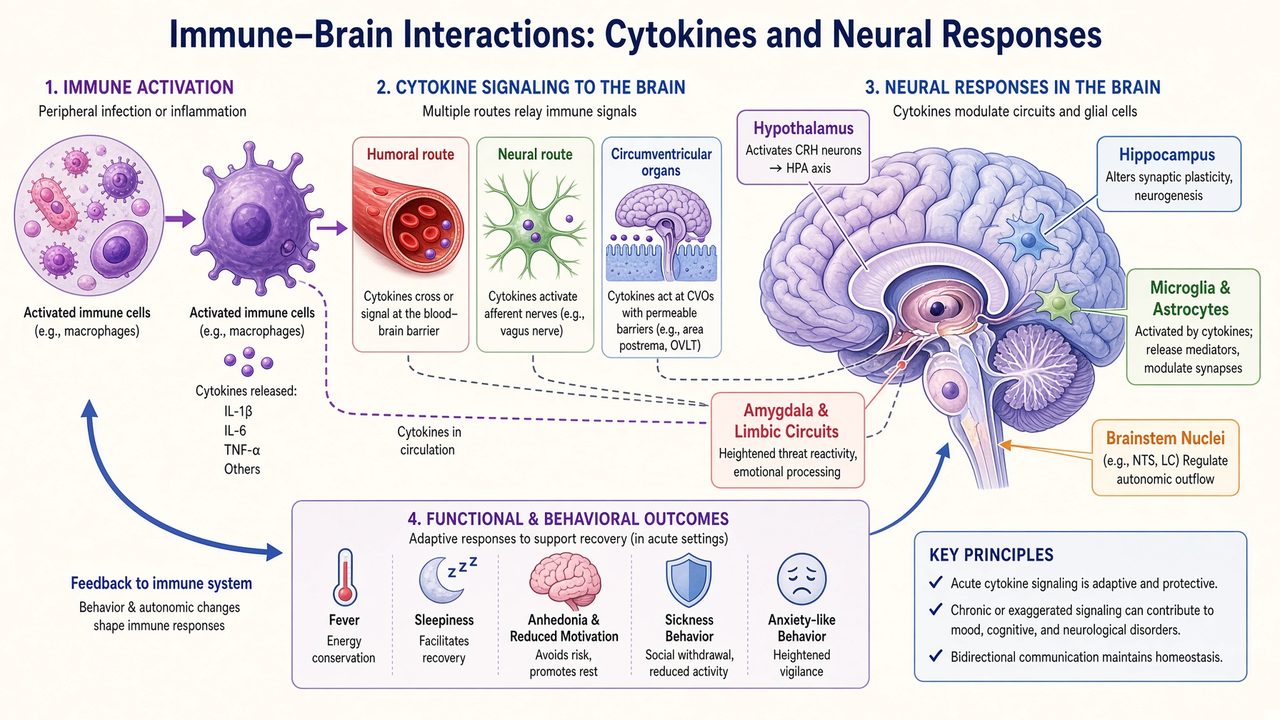
Inflammation is the body's defense system, but when it becomes chronic, it can damage tissue, including the brain. Many neurodegenerative diseases involve activated immune cells and inflammatory signals.
The brain's immune system
Microglia are the resident immune cells of the brain. They survey the environment, prune synapses, and clear debris and misfolded proteins. Astrocytes also respond to injury and infection. When microglia detect threats, they release cytokines such as interleukin-1 beta, tumor necrosis factor and interleukin-6. In acute situations this helps repair. When activation persists, it can lead to excess synapse loss, oxidative stress and neuron death.
Evidence in disease
- Alzheimer's disease: genome-wide studies have identified risk genes linked to microglia and immune function, such as TREM2, CD33 and APOE. Microglia cluster around amyloid plaques, and in some phases they help contain plaques while in others they drive damage. Research by Beth Stevens and colleagues showed that microglia prune synapses through complement proteins, a process that may contribute to synapse loss in disease.
- Parkinson's disease: activated microglia and inflammatory markers are found in affected brain regions. Some epidemiological studies suggest that people who regularly take nonsteroidal anti-inflammatory drugs have lower risk, though trials of anti-inflammatories have not shown benefit.
- Multiple sclerosis: an autoimmune attack on myelin, with some therapies targeting immune cells.
- ALS and others: neuroinflammation is a feature, and immune modulation is being studied.
- Peripheral inflammation: midlife markers such as C-reactive protein, as well as conditions such as obesity, periodontal disease, infections and autoimmune diseases, are linked in some studies to higher dementia risk.
- Drug trials: anti-inflammatory drugs have so far not prevented Alzheimer's in large trials, suggesting that timing, target and which cells matter greatly.

What drives chronic inflammation
Aging itself, obesity, insulin resistance, poor sleep, chronic stress, smoking, air pollution, gum disease, infections and a high-sugar, highly processed diet all promote systemic inflammation. The gut microbiome and the gut-brain axis may also influence immune signaling.
Reducing risk
- Exercise: reduces inflammatory markers and supports healthy microglia.
- Eat a Mediterranean-style diet with fiber, fish, vegetables and olive oil.
- Maintain a healthy weight.
- Sleep well: sleep loss raises inflammatory signals.
- Manage stress.
- Avoid smoking, and limit alcohol.
- Care for your teeth and gums.
- Stay current on vaccines, since infections can trigger inflammation.
- Treat chronic conditions, such as diabetes and hypertension.
- Do not self-treat with anti-inflammatory supplements or drugs for brain protection without medical guidance.
Signs to discuss with a doctor
Persistent joint pain, unexplained fatigue, recurrent infections, gum disease and poorly controlled conditions such as diabetes or autoimmune disease can all signal ongoing inflammation. Treating the underlying condition is the best way to reduce inflammatory load, and your clinician can advise which tests and treatments are appropriate.
Where research is heading
Scientists are testing therapies that target specific inflammatory pathways, including complement proteins and microglial receptors, and exploring whether blood markers of inflammation can identify people at higher risk. These efforts aim to calm harmful immune activity without suppressing the protective functions the brain depends on.
Takeaway
The immune system is a double-edged sword in the aging brain. Supporting a calm, healthy immune environment through everyday habits is a sensible, evidence-aligned strategy.
Further reading from authoritative sources
This article is educational and does not replace advice from a licensed clinician. See the medical disclaimer. Looking for specialist care? Browse the neurology clinic directory.