Loneliness and Cognitive Decline in Older Adults
Feeling alone is different from being alone, but both can affect the brain. Large studies show that loneliness and social isolation are associated with faster cognitive decline and a higher risk of dementia.
Loneliness versus isolation
Social isolation is an objective lack of contact or small social network. Loneliness is the painful feeling that one's relationships are inadequate. People can be isolated without feeling lonely, or surrounded by people and still feel lonely. The two overlap but have somewhat different effects.
What studies show
- Dementia risk: a meta-analysis found that loneliness is associated with roughly 30 percent higher risk of dementia, and social isolation with similar increases. The Lancet Commission added social isolation to its list of modifiable risk factors in 2020. A study of older adults in the English Longitudinal Study of Ageing and in the Health and Retirement Study found that loneliness predicted faster cognitive decline.
- Cognitive decline: John Cacioppo's research in Chicago linked loneliness with poorer cognition and with greater risk of Alzheimer's disease, along with higher cortisol and disrupted sleep.
- Brain changes: imaging studies suggest that lonelier older adults may have smaller volumes in some regions and more amyloid burden, according to a Harvard study, though results are preliminary.
- Health outcomes: the U.S. Surgeon General's 2023 advisory described loneliness as a public health concern, linking it with increased risk of premature death comparable to smoking up to 15 cigarettes daily, a comparison drawn from meta-analyses by Julianne Holt-Lunstad.
- Causality: it is hard to separate cause and effect, since early dementia can cause withdrawal. However, studies that follow people over many years and control for baseline cognition still find associations, and plausible mechanisms exist.
How loneliness may harm the brain
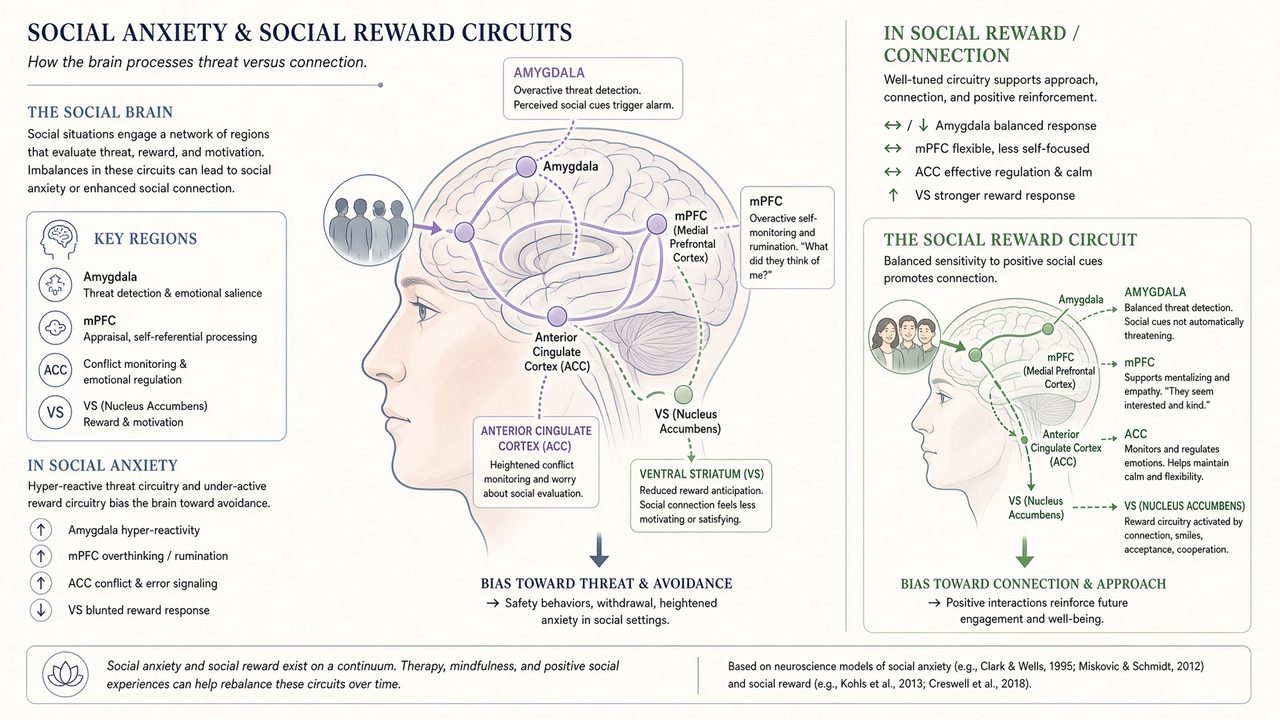
Chronic loneliness activates stress systems, raising cortisol and inflammatory signals, and it disrupts sleep, reduces physical activity and increases depression, all of which affect the brain. Social interaction also provides cognitive stimulation that builds reserve. Loneliness may also increase vigilance for social threat, fueling a cycle of withdrawal.
Who is at risk
Risk rises with bereavement, retirement, living alone, hearing or vision loss, mobility limits, caregiving burdens, financial constraints, moving, discrimination and illness. Loneliness also affects young people, so it is not only a problem of old age.
What helps
- Start small: contact one person this week, and build gradually.
- Join shared-interest groups: book clubs, exercise classes, choirs, gardening groups or faith communities.
- Volunteer: giving purpose and connection.
- Use technology to stay in touch, and learn with support if needed.
- Get hearing, vision and mobility help.
- Try structured programs: senior centers, friendly-visitor programs, meal programs and intergenerational projects. Social prescribing programs link people to community activities.
- Consider a pet, if suitable.
- Address thoughts that fuel isolation: cognitive behavioral approaches reduce loneliness by changing negative expectations of social situations.
- Treat depression.
- Reach out for help: if loneliness feels overwhelming, talk to a doctor or counselor, and call 988 in the United States if you are in crisis. The Friendship Line at 1-800-971-0016 offers support for older adults.
For families and communities
Check in with older relatives and neighbors, invite them to events, help with transportation and technology, and recognize that declining invitations may reflect fear or difficulty and not lack of interest.
Takeaway
Connection is a form of brain care. Reaching out, joining in and helping others connect can protect both mood and memory.
Further reading from authoritative sources
This article is educational and does not replace advice from a licensed clinician. See the medical disclaimer. Looking for specialist care? Browse the neurology clinic directory.