Anesthesia and the Brain: What Happens
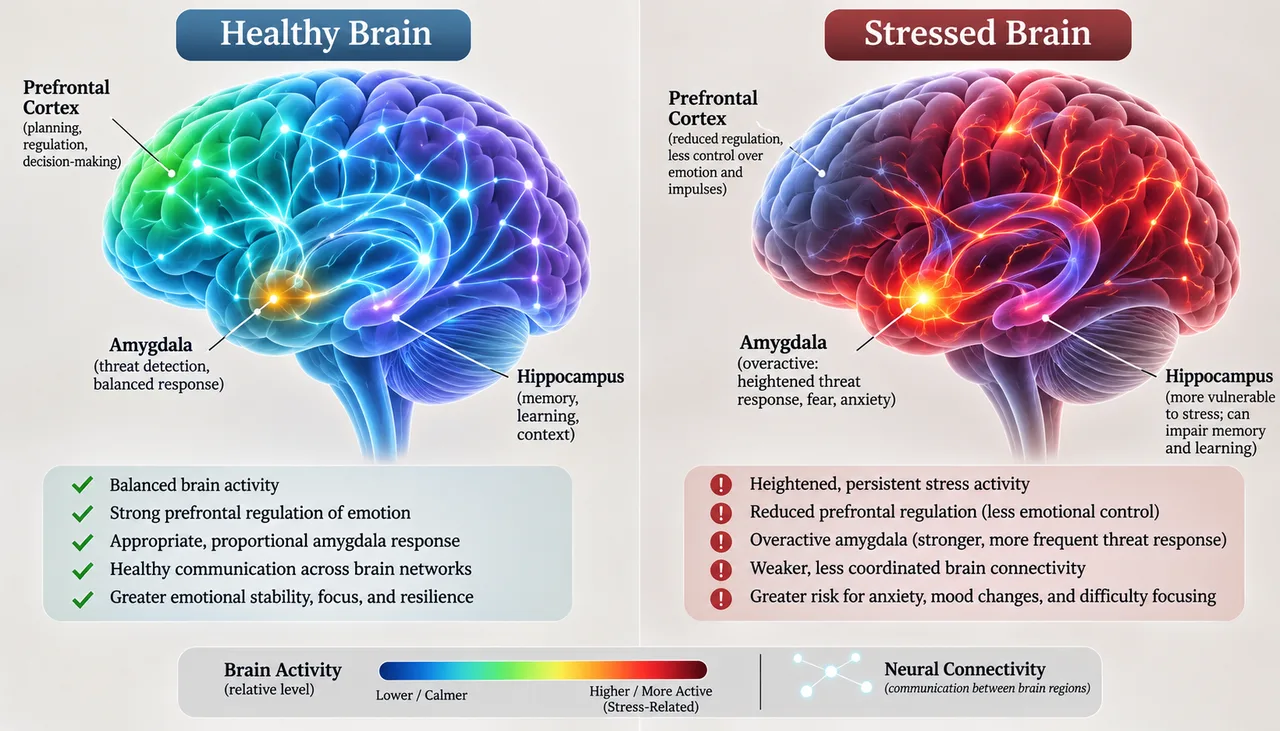
General anesthesia allows patients to undergo surgery without awareness or pain. Although used for more than 170 years, how anesthetics produce unconsciousness is still being studied.
How anesthesia works
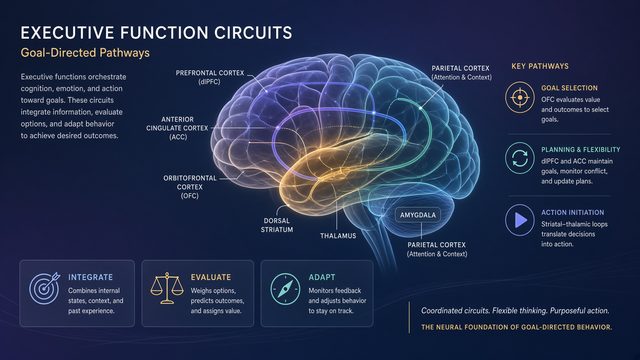
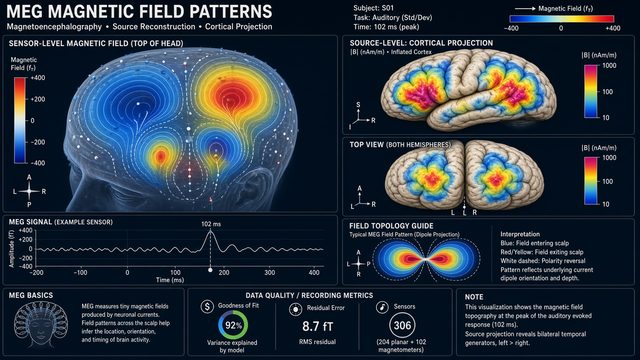
Anesthetic drugs act on several targets. Many, such as propofol and volatile gases, enhance the inhibitory neurotransmitter gamma-aminobutyric acid at its receptor, while others such as ketamine block NMDA receptors. Researchers such as Emery Brown at Massachusetts Institute of Technology and colleagues have shown with electroencephalography that anesthetic unconsciousness is associated with slow, high-amplitude oscillations and frontal alpha waves that disrupt the integration of information across the cortex and thalamus. Studies of brain connectivity show that anesthesia reduces communication between regions, particularly feedback from higher to lower areas. Anesthetics also affect brainstem and subcortical arousal systems. Anesthesia is a reversible state, and not simply deep sleep, with distinct brain dynamics.
Awareness
Rarely, patients are partially aware during surgery, with an incidence of about 1 or 2 per 10,000 cases, according to large studies such as the 5th National Audit Project in the United Kingdom, and monitoring of anesthetic depth helps prevent this.

Emergence and recovery
After anesthesia ends, consciousness returns in an organized sequence, and some people feel groggy, nauseated or confused for hours. Most recover quickly.
Postoperative delirium
Older adults are at higher risk of delirium, in which confusion and inattention develop over hours to days. Delirium is common after surgery, and prevention is important, as discussed in other articles. Some studies suggest that depth monitoring can reduce delirium, though results vary.
Long-term concerns
- Children: animal studies show that anesthetics given during early brain development can cause neuronal cell death, which raised concern. Human studies are reassuring about single, brief exposures, such as the GAS trial comparing regional and general anesthesia in infants, which found no difference in neurodevelopmental outcome at age five, and the PANDA study. Repeated or prolonged exposures need more research. The U.S. Food and Drug Administration has advised weighing risks and benefits, and delaying elective procedures in young children when possible.
- Older adults: whether anesthesia contributes to long-term cognitive decline or dementia is debated. Studies suggest that surgery, underlying illness and delirium are more important than anesthetic type, and the evidence does not show that anesthesia causes Alzheimer's disease.
- Postoperative cognitive dysfunction: can occur but often improves.
Preparing for anesthesia
- Tell your anesthesiologist about medications, supplements, alcohol, smoking, allergies, sleep apnea, previous anesthesia problems and family history
- Follow fasting instructions
- Ask about options such as regional or local anesthesia
- Bring glasses and hearing aids
- Plan support for the first days after surgery
- Older adults: ask about delirium prevention and review medications with the team
Types of anesthesia
General anesthesia produces unconsciousness. Regional anesthesia, such as spinal or nerve blocks, numbs part of the body, and local anesthesia numbs a small area. Sedation produces relaxation with varying levels of awareness. The best choice depends on the procedure and your health.
After the procedure
Avoid driving, alcohol and important decisions for 24 hours. Report persistent confusion, difficulty breathing or severe nausea to your doctor.
Takeaway
Anesthesia is a carefully controlled, reversible change in brain states. Tell your care team about your health history, and ask questions about what to expect.
Further reading from authoritative sources
This article is educational and does not replace advice from a licensed clinician. See the medical disclaimer. Looking for specialist care? Browse the neurology clinic directory.