Biofeedback and Community Health Programs
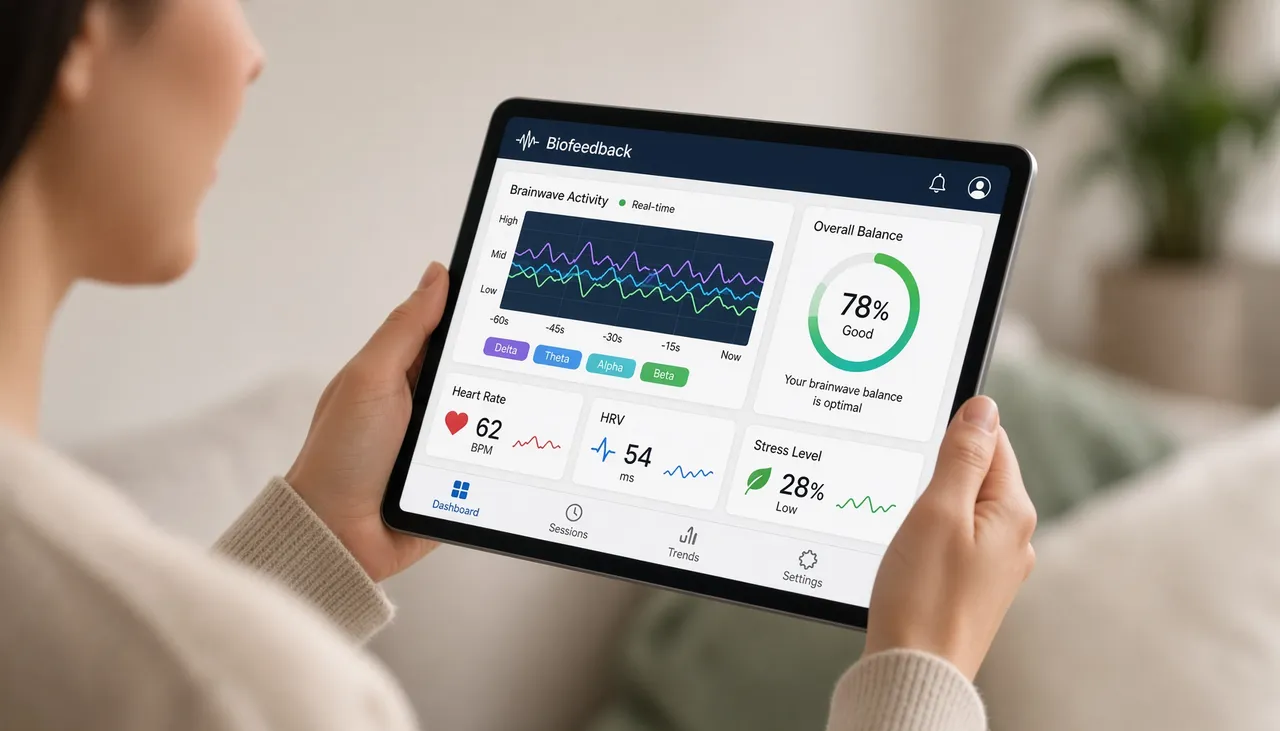
Biofeedback has often been available in specialty clinics, which can be costly and hard to reach. Community health programs are exploring ways to bring it to more people, including those who face barriers to care.
Where biofeedback appears in communities
- Community health centers and primary care clinics, often using behavioral health staff
- Veterans programs: the U.S. Department of Veterans Affairs has used biofeedback for pain, anxiety, post-traumatic stress and sleep in some facilities
- Schools, libraries and senior centers, with group sessions
- Hospitals and rehabilitation programs, for pelvic floor, stroke recovery and headache clinics
- Mobile and telehealth programs, using home devices and remote coaching
- Faith and community organizations, which offer wellness workshops
- Corrections and substance use treatment programs, which may use relaxation training
What the evidence suggests
Trials show that biofeedback can help with tension and migraine headaches, anxiety, hypertension, urinary and bowel problems and certain pain conditions. Heart rate variability training reduces stress and anxiety in several groups. Evidence for community delivery specifically is limited but encouraging, and small studies in primary care and with veterans suggest improvements in symptoms and satisfaction. Larger trials are needed to determine which models work best and for whom.
Advantages
- Drug-free and low risk
- Skills that last: people learn techniques they can use at home
- Lower cost than ongoing medication or specialist care, potentially
- Engaging, visual feedback helpful for people who find talk therapy difficult
- Group formats extend reach and build social support
Challenges
- Equipment and training costs
- Insurance coverage: varies and may be limited
- Provider shortages: certified providers are not available everywhere
- Digital divide: reliance on smartphones and broadband
- Cultural and language fit: materials need translation and adaptation
- Sustainability: funding for programs
- Quality control: ensure providers are trained, and claims are realistic
Making programs equitable
Hire and train community health workers, offer sessions in multiple languages, provide free loaner devices, hold events at familiar locations, offer evening or weekend times and measure outcomes by demographic group. Involve community members in planning.
Finding biofeedback
Ask your primary care provider or local hospital about biofeedback services. The Biofeedback Certification International Alliance maintains a directory of certified practitioners. Check coverage with your insurer, and ask about costs, training of providers and evidence for your condition.
Starting a local program
Partner with a hospital, university or training program for clinical oversight. Begin with a pilot group, such as a weekly stress class in a library or clinic, gather feedback and adjust. Train peer leaders from the community, and document outcomes to attract funding.
Telehealth biofeedback
Remote sessions with home sensors let clinicians watch your data in real time and coach you by video. This can help people in rural areas or with limited mobility, provided they have devices, internet access and privacy at home.
When to seek medical evaluation
Biofeedback should complement medical care. Chest pain, severe headaches, sudden weakness or thoughts of self-harm need prompt attention from a healthcare professional.
Takeaway
Taking biofeedback into community settings can make self-regulation tools available to more people. Quality, equity and clinical links make programs sustainable.
Further reading from authoritative sources
- National Institute of Mental Health (NIMH)
- National Institute of Neurological Disorders and Stroke (NINDS)
- National Center for Complementary and Integrative Health (NCCIH)
This article is educational and does not replace advice from a licensed clinician. See the medical disclaimer. Looking for specialist care? Browse the neurology clinic directory.