Biofeedback Research: What's Missing and What's Next
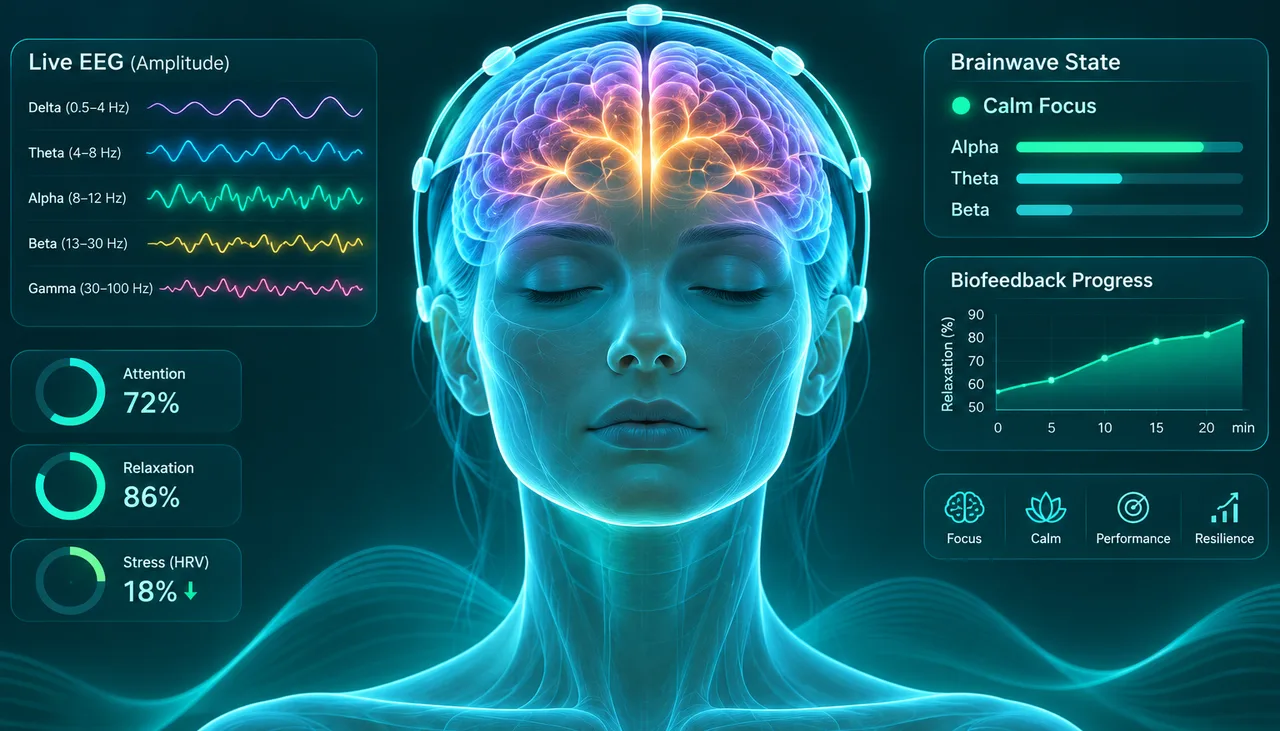
Biofeedback has decades of studies, and strong evidence for some uses, including certain forms of headache, urinary incontinence and constipation from pelvic floor dysfunction, and Raynaud's disease. For other uses, evidence is mixed. Closing the gaps is a priority for the field.
Gaps in current research
- Small and varied trials: Many studies have few participants, which limits confidence. Protocols differ in the number of sessions, training targets, equipment and therapist experience, making it hard to compare studies.
- Control conditions: It is difficult to design a convincing sham for training in which participants actively learn. Sham feedback, wait lists or standard care each have problems. In neurofeedback, well-designed double-blind trials of ADHD, such as the multicenter study by Cortese and colleagues in a 2016 meta-analysis, found that when raters were blind to treatment, effects on ADHD symptoms were smaller or not significant. Later trials, such as one by Arns and colleagues, continue to debate this point.
- Mixed components: Training often comes with education, relaxation, breathing and cognitive strategies, so it is hard to tell which part helps.
- Mechanisms: We do not fully understand whether benefits come from changes in physiology, learned self-awareness, placebo and expectation, or the therapeutic relationship. Evidence linking changes in brain measures to symptom improvement is limited.
- Long-term outcomes: Few trials follow patients for a year or more.
- Dose and individual differences: We know little about who responds best, and the number of sessions required.
- Reporting standards: Checklists such as the Biofeedback Certification International Alliance's reporting guidelines, and the CRED-nf checklist for neurofeedback studies, have been proposed to improve transparency.
- Cost-effectiveness and implementation: few studies compare costs, or how to deliver training in routine clinics.
- Diversity: many trials include limited populations.
- Home and wearable devices: consumer devices vary in accuracy and evidence.
Where it is heading
- Larger multicenter randomized trials with preregistered outcomes and blinded assessors
- Better sham designs and tests of expectation effects
- Standard protocols and shared data
- Mechanism studies using imaging, physiology and computational models
- Personalization: matching training to individual profiles, using machine learning
- Combination with other treatments: therapy, medication and brain stimulation
- Telehealth and digital delivery, with quality control
- Real-time and wearable sensing
- Registries and outcome tracking in clinics
For patients
Ask a provider about the evidence for your condition, their training and certification, how progress will be measured, and when to stop if there is no benefit. Biofeedback works best as part of a broader treatment plan.
Priorities for funders and clinicians
Funders can support multicenter trials with common outcome measures, and registries that track real-world results. Professional groups can agree on training standards and reporting checklists, so that studies and clinics describe their methods in the same way. Clinicians can contribute by recording outcomes systematically, using validated questionnaires at the start, middle and end of care, and by publishing case series that include people who did not improve. Patients can join studies, ask about evidence, and report both benefits and problems honestly. Together these steps will turn promising findings into reliable guidance.
Takeaway
Biofeedback is promising and still maturing. Rigorous research will show who benefits and why.
Further reading from authoritative sources
- National Institute of Neurological Disorders and Stroke (NINDS)
- National Institute of Mental Health (NIMH)
- National Center for Complementary and Integrative Health (NCCIH)
This article is educational and does not replace advice from a licensed clinician. See the medical disclaimer. Looking for specialist care? Browse the neurology clinic directory.