The Science of Self-Regulation: A Unifying Framework
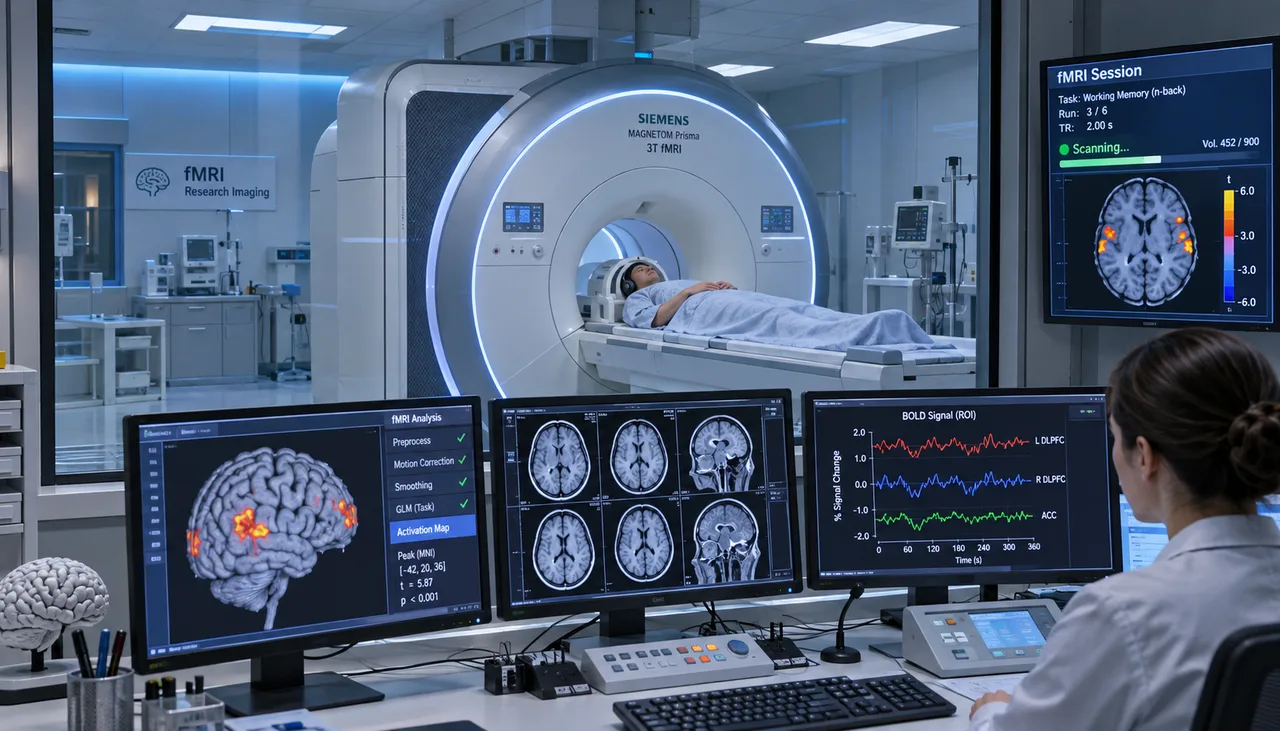
Self-regulation is the ability to manage thoughts, emotions, behavior and physiological states in line with goals. It runs through health, learning and relationships, and ties together many topics in brain science, including biofeedback.
Levels of regulation
- Physiological: The autonomic nervous system balances arousal and calm. Heart rate variability, breathing and muscle tension reflect this balance. Stephen Porges, Julian Thayer and others have proposed models of how the vagus nerve and the brain interact in regulating heart rate and emotion, though some of these theories remain debated.
- Emotional: Strategies such as reappraisal, acceptance and distraction change feelings. James Gross's process model describes when strategies work, and reappraisal early in an emotional response is often more effective than suppression later.
- Attentional: Executive attention, which involves frontal and parietal networks, helps us focus and ignore distraction.
- Behavioral: Impulse control, delayed gratification and habit change. Walter Mischel's marshmallow studies, though later work by Tyler Watts and colleagues showed that family background and environment explain much of the association with later outcomes, helped to focus attention on self-control. Strategies such as distraction, planning and changing the environment help.
- Social: Co-regulation, in which caregivers and partners help to calm each other. Babies learn regulation first through caregivers.
Brain systems
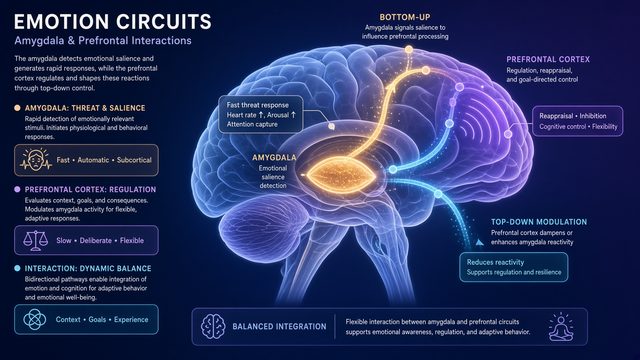
The prefrontal cortex, especially the dorsolateral and ventromedial regions, supports planning and control. The anterior cingulate cortex monitors conflicts and errors. The amygdala and insula generate emotional and body signals. The default mode network supports self-referential thought. Stress, poor sleep and fatigue weaken prefrontal control, and make impulsive responses more likely. Regulation is also built from interoception, the sense of the body's internal state.
How biofeedback fits
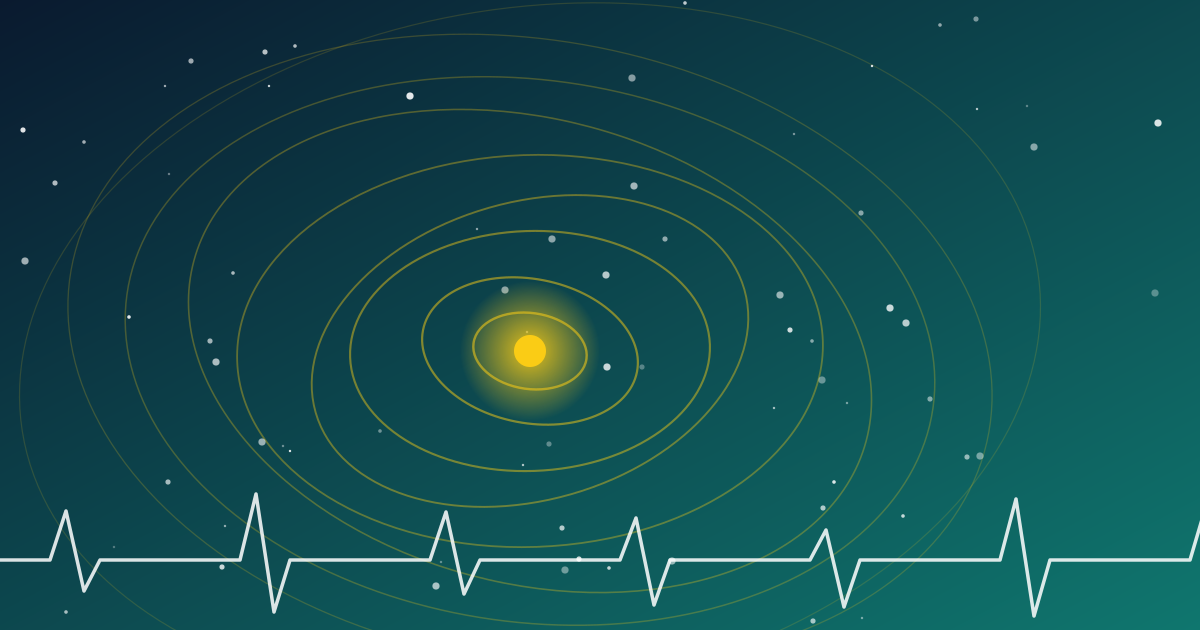
Biofeedback shows people their own physiological signals, such as heart rate variability, muscle tension, skin temperature, breathing or brain waves, in real time, so that they can learn to influence them. It builds awareness and a sense of control, and can be practiced as skills outside the clinic. It is used for stress, anxiety, pain, headache, high blood pressure, incontinence and attention problems, with differing strength of evidence.
Building self-regulation
- Slow breathing: about six breaths per minute with longer exhales can increase heart rate variability and calm arousal.
- Sleep: regular sleep improves emotional control.
- Exercise: supports mood and executive function.
- Mindfulness and meditation: train attention and acceptance.
- Name emotions: labeling feelings can reduce amygdala reactivity.
- Plan ahead: if-then plans help to manage temptation.
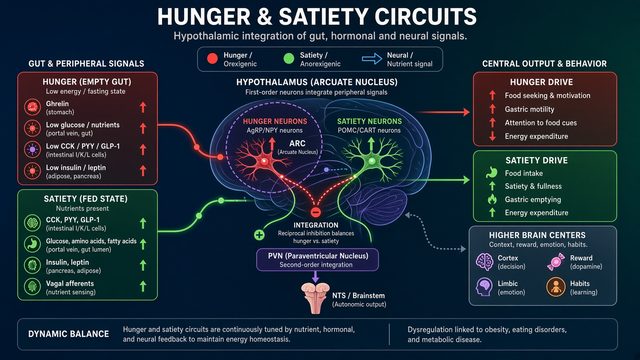
- Reduce load: hunger, alcohol and overload weaken control.
- Seek support: therapy, coaching and community.
- Practice in small steps, and be kind to yourself after setbacks.
Self-regulation across life
In childhood, regulation develops with caregiving, play and the maturing prefrontal cortex, and programs that teach emotion naming, breathing and problem solving can help. Adolescence brings strong emotions with still-developing control, so structure, sleep and support matter. In adulthood, work stress, caregiving and screens test attention and mood, and in later life, regulation skills support resilience, though illness and cognitive change may require added help. Conditions such as ADHD, anxiety, depression, addiction and trauma involve difficulties with regulation, and treatments such as therapy, medication, mindfulness and biofeedback aim to strengthen it. If difficulties are severe or persistent, seek professional help.
Takeaway
Self-regulation is learnable at any age. Awareness of the body and mind, practiced regularly, is the common thread.
Further reading from authoritative sources
- National Institute of Neurological Disorders and Stroke (NINDS)
- National Institute of Mental Health (NIMH)
- National Center for Complementary and Integrative Health (NCCIH)
This article is educational and does not replace advice from a licensed clinician. See the medical disclaimer. Looking for specialist care? Browse the neurology clinic directory.