How Brain Science Influences Marketing
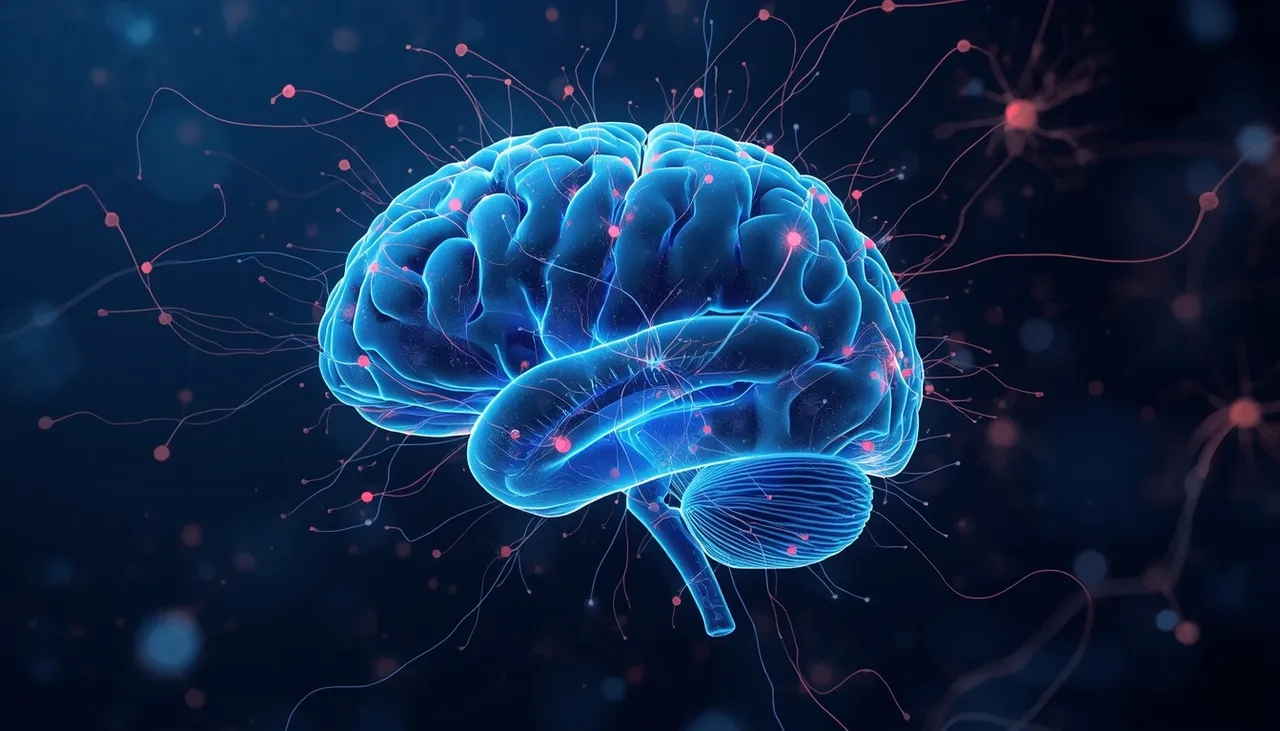
Advertising and product design draw on decades of research about how people perceive, feel and decide. Brain science adds new tools and language, and understanding it helps people to make more deliberate choices.
Attention and perception
The brain filters most input, so marketers use bright color, motion, faces, humor and novelty to capture attention. Eye-tracking research shows that people gaze at faces, and follow the gaze direction of faces in images. Package design, placement on shelves at eye level and uncluttered visuals affect what gets noticed. Repeated exposure increases liking, known as the mere exposure effect, as shown by Robert Zajonc. Advertisements that use priming, music or scent can influence mood and behavior.
Emotion and memory
Emotionally arousing messages are better remembered, and stories engage more of the brain than facts alone. Brands use storytelling, nostalgia and music to build associations. Neuroscientists such as Antonio Damasio emphasize that emotion is integral to decision making, and customers often decide on feeling then justify with reason.

Reward and anticipation
Anticipation of a purchase activates the dopamine reward system. Brian Knutson and colleagues found that activity in the nucleus accumbens when viewing a product predicted purchase, while insula activity in response to high prices predicted not buying, an experiment suggesting a trade-off between the pleasure of acquiring and the pain of paying. Payment methods that make spending less tangible, such as cards and one-click buying, reduce the pain of paying. Variable rewards, such as in loot boxes, mimic gambling mechanics. Free shipping thresholds, discounts and sales exploit loss aversion and the pleasure of a deal.
Social and cognitive biases
- Scarcity and urgency: limited time, only a few left
- Social proof: reviews, bestseller labels and influencers
- Anchoring: a high original price makes the sale price seem low
- Decoy effects: a third option makes another look more attractive
- Default options and subscriptions that renew automatically
- Authority and celebrity endorsements
- Framing: 90 percent fat free versus 10 percent fat
- Branding effects on experience: in the Pepsi challenge study by Samuel McClure and colleagues, knowing the brand changed brain activity and preference for Coca-Cola compared with a blind taste test.
- Personalization: data-driven targeting based on behavior
- Dark patterns: deceptive interface designs that trick users into choices such as hidden fees
Vulnerable groups
Children are susceptible to persuasive advertising, since they have not developed full understanding of persuasive intent, and regulators limit marketing to children in some countries. Older adults and people in distress are frequent scam targets.
Shopping mindfully
- Make a list and a budget before shopping
- Wait 24 hours before nonessential purchases
- Notice urgency and emotional triggers
- Compare unit prices and independent reviews
- Unsubscribe from promotional emails and limit notifications
- Remove saved payment details
- Watch for automatic renewals
- Teach children media literacy
- Report deceptive practices to consumer protection agencies
Takeaway
Marketing speaks to the fast, emotional parts of the brain. A pause lets the slower, reflective parts join the decision.
Further reading from authoritative sources
- National Institute of Neurological Disorders and Stroke (NINDS)
- National Institute of Mental Health (NIMH)
This article is educational and does not replace advice from a licensed clinician. See the medical disclaimer. Looking for specialist care? Browse the neurology clinic directory.