The Neuroscience of Hope and the Future
Hope is the sense that things can improve and that we can act to help them. Researchers study it as a mix of goals, pathways and motivation, and as a force that affects health and recovery.
What hope is
Psychologist C. R. Snyder defined hope as having goals, ways to reach them, and the willingness to pursue them. Hope differs from optimism, the general expectation that good things will happen, and from wishful thinking, because it involves agency. Hope also coexists with fear and uncertainty, and can be present when outcomes are uncertain.
What the brain does
- Prediction and reward: The brain constantly forecasts the future. Dopamine pathways signal the value of expected rewards, and help drive effort toward goals. Tali Sharot's research shows that most people update beliefs more readily on good news than on bad, a mild optimism bias that may help us keep going. The bias is reduced in depression.
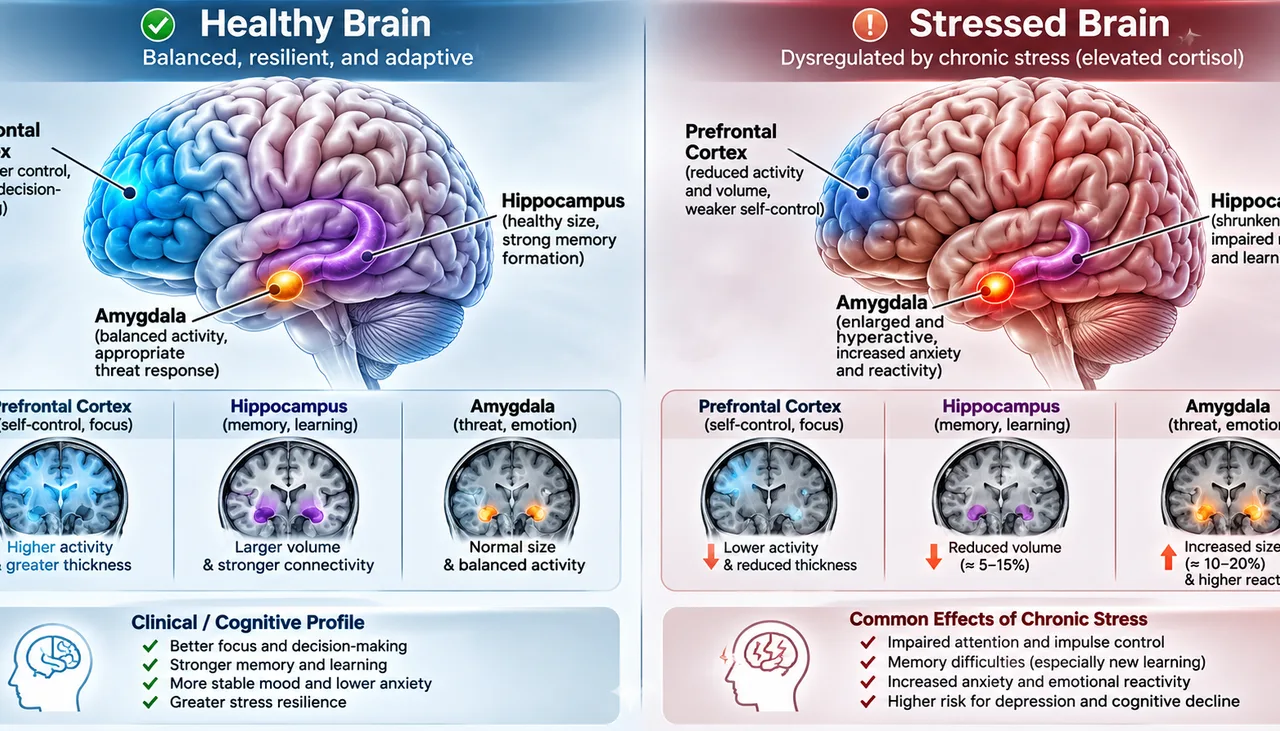
- Prefrontal control of stress: Studies by Maier and Seligman on learned helplessness found that when animals believed they had control over a stressor, the ventromedial prefrontal cortex inhibited stress responses in the brainstem. Perceived control seems protective.
- Imagining the future: The same networks used for memory, including the hippocampus and default mode network, help us picture future events. People with depression often have trouble imagining positive future events in detail.
- Expectation effects: Placebo responses involve endogenous opioids and dopamine, and show that expectation can change pain and symptoms. Positive expectations are not a cure, but may influence experience and adherence to treatment.
- Pessimism and stress: Chronic hopelessness is linked to depression and suicide risk, and to poorer health outcomes.

Evidence for benefits
Studies link optimism and hope with better cardiovascular health, longer life, more physical activity and lower rates of depression, though these associations may be partly due to other factors. In rehabilitation after stroke or injury, patients with greater self-efficacy and expectations of recovery often engage more in therapy. Hope-based therapies, developed by researchers such as Sean Feldman and others, and approaches such as cognitive behavioral therapy, behavioral activation and meaning-centered therapy help people set goals and see pathways forward.
Cautions
Hope should not become denial or pressure. Telling people with serious illness to stay positive can add guilt. Toxic positivity ignores real suffering. Realistic hope holds both honest information and possibility, and can shift from hope for cure to hope for comfort, connection or meaning.
Ways to nurture hope
- Set small, specific goals and map steps to them.
- Notice progress, even small, and keep a record.
- Seek connection: social support is a strong source of hope.
- Find meaning: volunteering, faith, art or caring for others.
- Limit doomscrolling and exposure to constant bad news.
- Practice gratitude or reflection, if it feels natural.
- Seek help for depression: hopelessness is a symptom that can be treated. If you feel unsafe, contact a crisis line such as 988 in the United States.
Takeaway
Hope is a skill and a source of strength. It grows with action, community and honest care.
Further reading from authoritative sources
- National Institute of Neurological Disorders and Stroke (NINDS)
- National Institute of Mental Health (NIMH)
This article is educational and does not replace advice from a licensed clinician. See the medical disclaimer. Looking for specialist care? Browse the neurology clinic directory.