The Neuroscience of Self and Identity
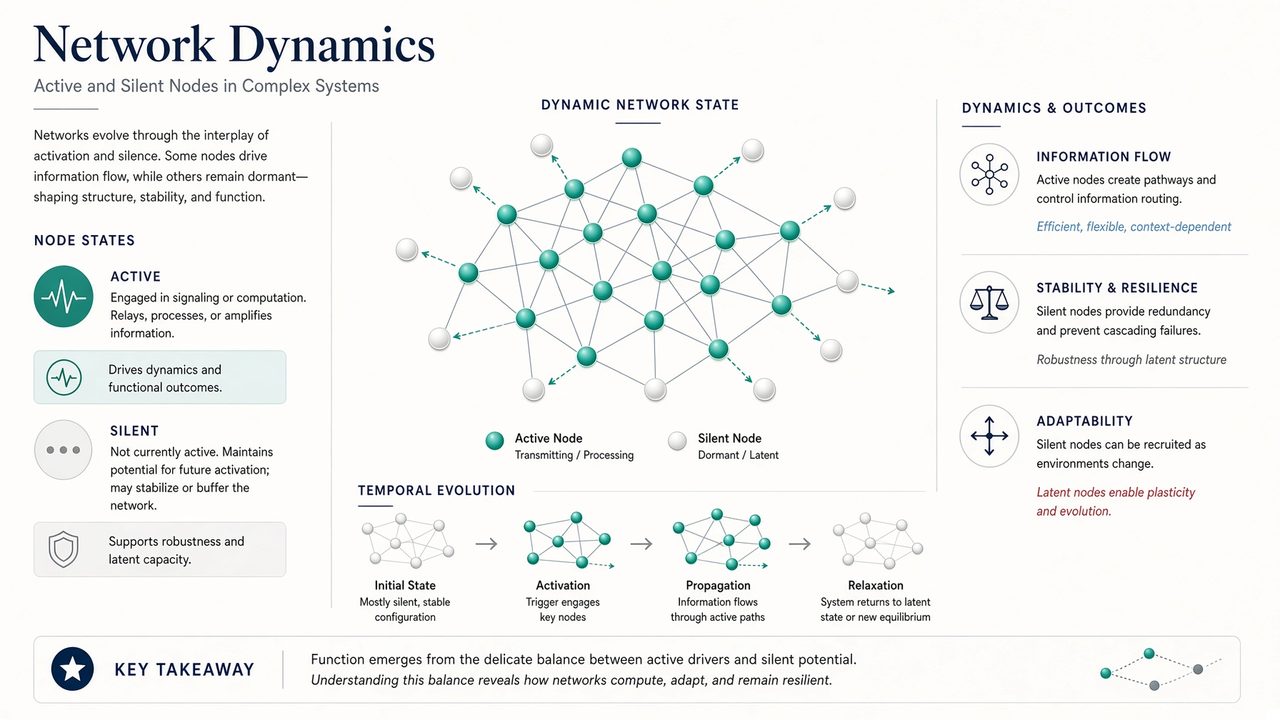
The sense of being a unified self feels so natural that it seems unquestionable. Neuroscience shows that the self is not a single thing in a single place, and that it is constructed from many processes.
Layers of self
Researchers distinguish several aspects:
- Bodily self: the sense of owning and controlling one's body. The insula, parietal cortex and temporoparietal junction integrate bodily signals. Experiments such as the rubber hand illusion, in which people feel that a fake hand is theirs, and full-body illusions by Olaf Blanke and Henrik Ehrsson show that body ownership is flexible and constructed from multisensory input. Anil Seth proposes that the self is a controlled hallucination based on predicting bodily states.
- Minimal self and agency: the feeling of being the subject of experience and the author of actions
- Autobiographical self: the life story built from episodic and semantic memory, supported by the hippocampus and medial prefrontal cortex
- Narrative self: the way people tell their stories, which shapes meaning and identity, as studied by Dan McAdams
- Social self: identity shaped by roles, groups and how others see us
Default mode network and self-reference
The medial prefrontal cortex and posterior cingulate, key parts of the default mode network, respond more when people think about themselves than about others, though they also respond to close others and to social and conceptual tasks. Self-referential thinking supports planning and meaning making, and excessive self-focus is associated with rumination.
What disorders and injuries reveal
- Amnesia and dementia: loss of memory can erode the sense of self, though emotional and personality aspects may persist. Studies of patients with dementia by Stan Klein and colleagues suggest that core aspects of identity may remain longer than expected.
- Depersonalization and derealization: feelings of detachment from self or surroundings
- Dissociative identity disorder: disruption of identity integration, often linked to trauma, and debated in cause
- Phantom limbs and somatoparaphrenia: altered body ownership after brain injury
- Split-brain patients: studies by Roger Sperry and Michael Gazzaniga showed that each hemisphere can process information separately, and the left hemisphere may produce explanations or narratives, or interpreters, that unify behavior.
- Frontotemporal dementia and brain injury: personality changes
Psychedelics, meditation and the self
Psychedelics and deep meditation can temporarily dissolve the sense of boundary between self and world, a state called ego dissolution, associated with reduced default mode network integrity, and with potential for therapeutic change in some contexts.
Culture and development
Identity develops through childhood and adolescence, and changes throughout life with new roles. Cultures vary in how they emphasize independence or interdependence. People can change, and the brain's plasticity supports growth.
Cultivating a healthy sense of self
- Reflect on values and strengths
- Tell a coherent, compassionate story about challenges
- Maintain social connections, which reinforce identity
- Engage in new experiences that expand identity
- Practice self-compassion
- Seek help if you feel persistently detached, confused about who you are, or distressed
Takeaway
The self is built moment by moment from body, memory, story and relationships. That makes it flexible, and open to growth.
Further reading from authoritative sources
- National Institute of Neurological Disorders and Stroke (NINDS)
- National Institute of Mental Health (NIMH)
This article is educational and does not replace advice from a licensed clinician. See the medical disclaimer. Looking for specialist care? Browse the neurology clinic directory.