The Role of Neuroscience in the Justice System
Courts and legislators increasingly consider neuroscience in decisions about responsibility, punishment and rehabilitation. The relationship raises hopes and concerns.
Juvenile justice
Research showing that the prefrontal cortex and impulse control systems continue developing into the mid-twenties informed U.S. Supreme Court decisions. In Roper v. Simmons in 2005, the Court abolished the death penalty for offenders under 18. Graham v. Florida in 2010 barred life without parole for juveniles convicted of non-homicide crimes, and Miller v. Alabama in 2012 barred mandatory life without parole for juveniles. The decisions cited research on adolescent brain development by Laurence Steinberg and others, together with behavioral evidence. Some jurisdictions extended juvenile or emerging adult court jurisdiction in light of this research. Critics note that group averages do not tell us about individuals, and that many adolescents make responsible choices.
Brain injury and mental illness
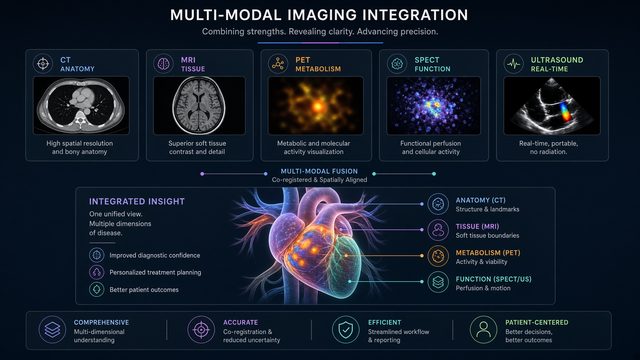
Traumatic brain injury and conditions such as frontotemporal dementia, brain tumors and severe mental illness can affect behavior. Defense teams sometimes present brain imaging and neuropsychological testing as evidence of impairment in capital sentencing, for diminished capacity, or in competency evaluations. Courts also consider neuroscience in assessing competence to stand trial and insanity. Studies show high rates of past brain injury among incarcerated people, which has prompted calls for screening and treatment in prisons.

Addiction and mental health courts
Understanding of addiction as a brain disorder has supported drug courts and treatment-based alternatives to incarceration, with evidence of reduced recidivism for many participants, along with mental health courts and diversion programs.
Lie detection and memory
Brain-based lie detection with functional magnetic resonance imaging or EEG has been proposed, but is not accepted as reliable in courts. In United States v. Semrau in 2010, a federal court excluded functional magnetic resonance imaging lie detection evidence. Memory research, such as the work of Elizabeth Loftus, shows that eyewitness memory is reconstructive and fallible, and has influenced procedures for identification and interviewing. Brain-based memory detection has limited reliability.
Free will and responsibility
Philosophers and neuroscientists, including Joshua Greene, Jonathan Cohen and Stephen Morse, debate whether neuroscience undermines responsibility. Morse argues that law rests on a folk-psychological view of people as reasoning agents, and that having a brain cause does not excuse behavior, since all behavior has brain causes. The law asks whether a person had capacity to understand and control actions, which neuroscience may inform, but not replace.
Concerns
- Overstating what scans show: images can be persuasive but may mislead jurors, though studies suggest that the effect of brain images on juror decisions is smaller than once feared.
- Group-to-individual problem
- Equity of access: only some defendants can afford expert evidence.
- Risk prediction: use of brain data to predict future behavior raises questions of fairness and stigma.
- Privacy and coercion
Good use
- Support treatment and rehabilitation
- Inform developmentally appropriate policies
- Improve procedures for evidence and interviews
- Educate lawyers and judges, as in programs by the Law and Neuroscience Project and the National Academies
Takeaway
Neuroscience belongs in the courtroom as one source of evidence, not as a verdict. Used carefully, it can make justice fairer and more humane.
Further reading from authoritative sources
- National Institute of Neurological Disorders and Stroke (NINDS)
- National Institute of Mental Health (NIMH)
This article is educational and does not replace advice from a licensed clinician. See the medical disclaimer. Looking for specialist care? Browse the neurology clinic directory.