Neurofeedback for Attention and Focus: What Research Shows
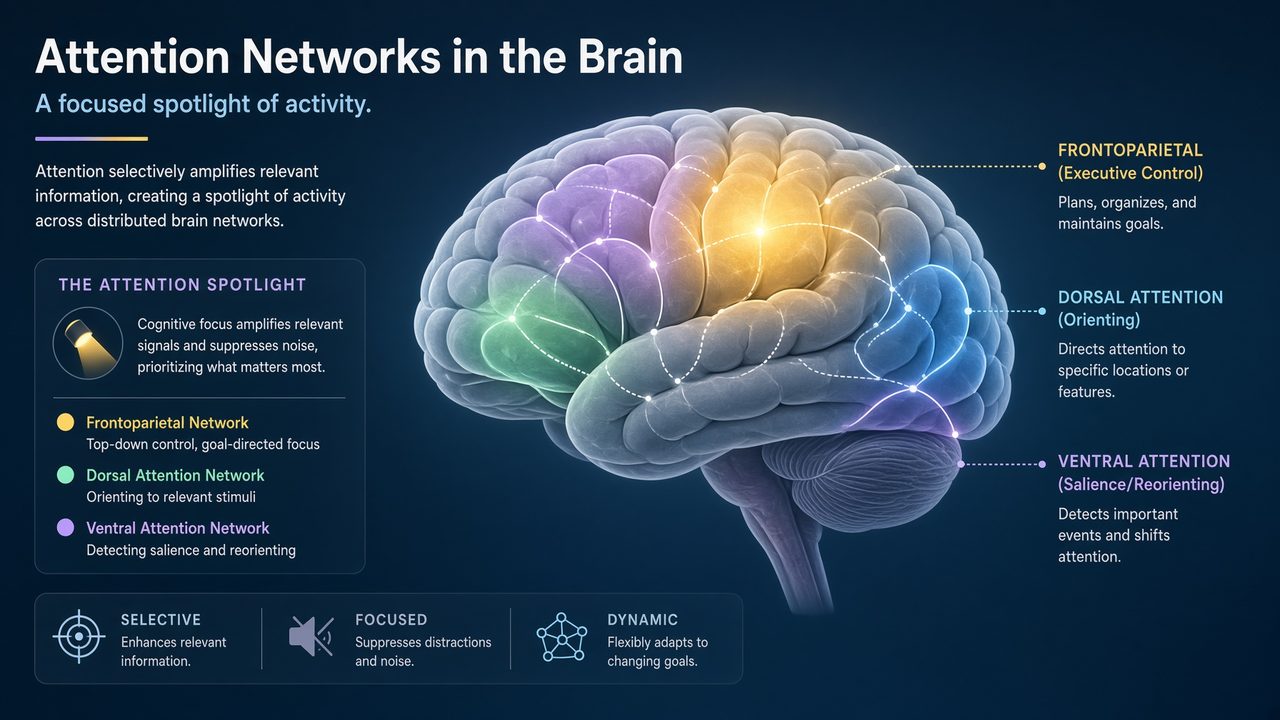
Neurofeedback for attention is one of the most studied applications of this technique. People ask whether training brain rhythms can really help someone concentrate. The honest answer is that research shows some promise, with significant caveats.
How attention neurofeedback works
Participants wear EEG sensors while engaging with a game or video. The display responds when brain activity moves toward a target pattern. Common protocols include:
- Theta/beta ratio training: reducing slow theta (4 to 8 Hz) and increasing beta (13 to 21 Hz) over central or frontal scalp sites, based on observations that some children with ADHD have elevated theta/beta ratios. The FDA cleared an EEG device that measures theta/beta ratio as an aid in the diagnosis of ADHD in children, though this is not endorsement of training.
- Sensorimotor rhythm (SMR) training: increasing 12 to 15 Hz activity over sensorimotor cortex, linked to calm alertness.
- Slow cortical potential training: learning to produce positive and negative shifts in slow electrical potentials, used in German studies.
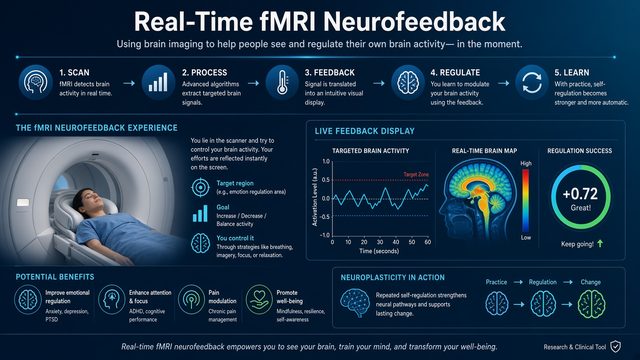
- Newer approaches: alpha training, connectivity training and fMRI neurofeedback.
Treatment courses typically involve 20 to 40 sessions over several weeks.
What the research shows
- Early studies and meta-analyses: found moderate to large effect sizes for inattention when comparing neurofeedback with waitlist or non-active controls, as in the 2009 meta-analysis by Martijn Arns and colleagues.
- Blinded sham-controlled trials: Cortese and colleagues' 2016 meta-analysis found that when ratings were provided by probably blinded raters, such as teachers, effects on ADHD symptoms were not significant. Parent ratings, which are less blinded, showed a benefit. The study suggested that part of the effects could be due to expectation and nonspecific factors.
- Large trials: a German multicenter study comparing slow cortical potential training with EMG biofeedback found similar improvements in both groups. A multi-site trial in the United States by Michelle Arnold and colleagues found that neurofeedback was not superior to a sham in children with ADHD for the primary outcome. A Dutch trial by Strehl and colleagues had a mixed pattern, with effects maintained at follow-up.
- Comparisons with medication: stimulant medication produces larger improvements on average, and neurofeedback should not replace it for those who need it. Some families prefer non-drug approaches and may try neurofeedback or behavioral therapy.
- Guidelines: the American Academy of Pediatrics rates neurofeedback as "Level 2, probably efficacious" in some evidence reviews, while others such as European ADHD guidelines say that evidence is insufficient to recommend it as a core treatment.
- Healthy adults and students: small studies suggest improvements in attention tasks after SMR or alpha training, though results are variable and many lack proper controls.
- Responders: a proportion of participants fail to learn to modulate their brain activity, and benefits are individual.

Why the evidence is mixed
- Difficulty creating a convincing sham condition
- Heterogeneity of protocols and ADHD itself
- Expectancy and attention from therapists
- Small samples and lack of long-term follow-up
- Placebo and nonspecific effects: training involves structured practice, relaxation and attention, which can help regardless of the specific brain rhythm.
What to look for in a provider
- Training and certification, such as BCIA, and experience with attention problems
- A thorough assessment including medical history, ruling out other causes such as sleep problems or anxiety
- Clear explanation of protocol, number of sessions and costs
- Measurable goals and outcome tracking, including rating scales and cognitive tasks
- Realistic claims without guarantees
- Willingness to coordinate with your physician, teacher or psychologist
- Consideration of other evidence-based approaches such as behavioral therapy, parent training, school supports, exercise and sleep improvements
Practical expectations
If you try neurofeedback, treat it as an experiment: set baseline measures, track changes, and reassess after a defined period. Maintain other helpful strategies in the meantime. Seek a comprehensive evaluation first if attention problems are persistent.
Takeaway
Neurofeedback for attention is promising, but not proven to the standard of core ADHD treatments. A cautious, informed approach protects both your time and your expectations.
Further reading from authoritative sources
- National Institute of Neurological Disorders and Stroke (NINDS)
- National Center for Complementary and Integrative Health (NCCIH)
This article is educational and does not replace advice from a licensed clinician. See the medical disclaimer. Looking for specialist care? Browse the neurology clinic directory.