Interleaving: A Learning Strategy Backed by Neuroscience
Imagine practicing three kinds of math problems. You could do all of type A, then all of B, then all of C (blocked practice). Or you could mix them in random order (interleaved practice). Blocked practice feels smoother, but a large body of research shows that interleaving usually leads to better long-term learning.
What the research shows
- Math: In a study by Doug Rohrer and Kelli Taylor, students who practiced mixed problem types scored much higher on a test a week later than those who practiced blocked problems, even though blocked practice looked better during training. Studies in classrooms found similar advantages.
- Motor skills: Learning badminton serves, basketball shots or keyboard sequences in mixed order leads to better retention and transfer, an effect described by Richard Schmidt and Robert Bjork as contextual interference.
- Category learning: Nate Kornell and Bjork found that people learned painters' styles better when they viewed paintings by different artists intermixed than when grouped by artist.
- Other areas: Interleaving has been studied for physics, medical diagnosis and language learning, with mostly positive findings.
The effect is not universal. It tends to be strongest when the items are similar enough to be confusable, and may help less for very novel material or when learners lack foundational knowledge.
Why it works
- Discriminative contrast: seeing different problem types side by side helps learners notice what distinguishes them, such as which formula applies to which situation.
- Retrieval practice: each new problem forces you to reload the relevant procedure from memory instead of repeating it from the last problem.
- Forgetting and relearning: the spacing built into interleaving means you partly forget between repetitions, and the effort to retrieve strengthens memory. This links to the desirable difficulties framework by Bjork.
- Reduced illusion of mastery: blocked practice produces quick gains that fade.
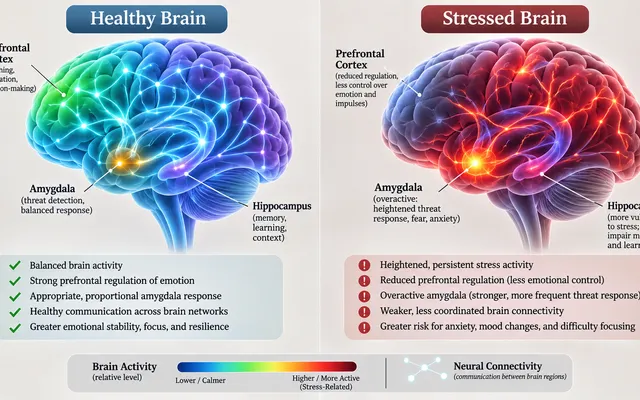
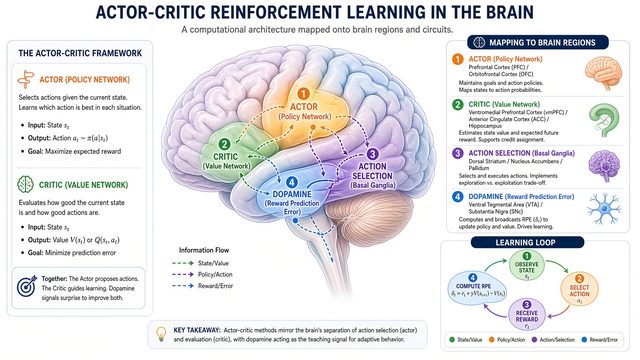
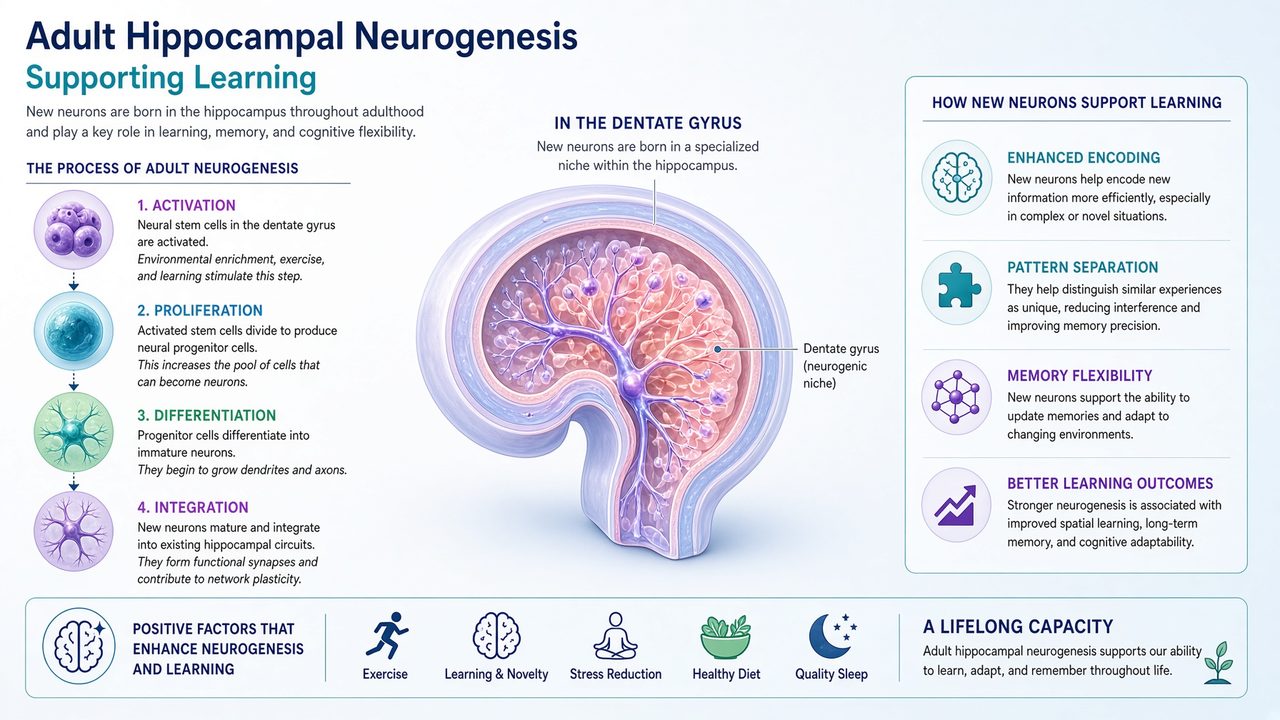
At the neural level, effortful retrieval and strategy selection recruit prefrontal and hippocampal systems more than repetitive execution, and this likely promotes more durable encoding, though neural studies are still developing.

The metacognitive trap
Learners typically rate blocked practice as more effective and feel they learned more, because performance is higher during practice. Interleaving feels messy and error-prone. People therefore tend to avoid it unless they are told that the extra difficulty is beneficial.
How to use it
- Mix problem types in homework and review sessions. After learning a chapter, include problems from earlier chapters.
- Alternate topics in study blocks, for example rotating among chemistry, history and language practice.
- Shuffle flashcards and avoid repeating groups.
- In sports and music, vary skills, such as alternating scales, pieces and techniques, or practicing different shots in random order.
- Combine with spacing and retrieval practice, which are complementary.
- Start with blocks when first encountering a completely new concept, then move to interleaving once the basics are in place.
- Be patient with lower practice scores, since long-term results are what count.
- For teachers: include cumulative review and mixed assessments in lesson plans.
Limits
Interleaving may not help when items are very dissimilar, when working memory is overloaded, or for learners with low prior knowledge. The optimal amount of mixing varies, and it works best when practice remains manageable.
Takeaway
Interleaving turns practice into a more demanding, and more effective, workout for the brain. If studying feels slightly harder, that may be a sign that learning is sticking.
Further reading from authoritative sources
- National Institute of Neurological Disorders and Stroke (NINDS)
- National Center for Complementary and Integrative Health (NCCIH)
This article is educational and does not replace advice from a licensed clinician. See the medical disclaimer. Looking for specialist care? Browse the neurology clinic directory.