Depression and the Brain: Circuits, Chemistry, and Change
Depression is more than sadness. It is a common and treatable medical condition that affects mood, energy, sleep, appetite, concentration and the ability to feel pleasure. Research over the past few decades has revealed that it involves changes across brain circuits, stress hormones and the body's immune and sleep systems.
The circuits involved
Mood and emotion networks
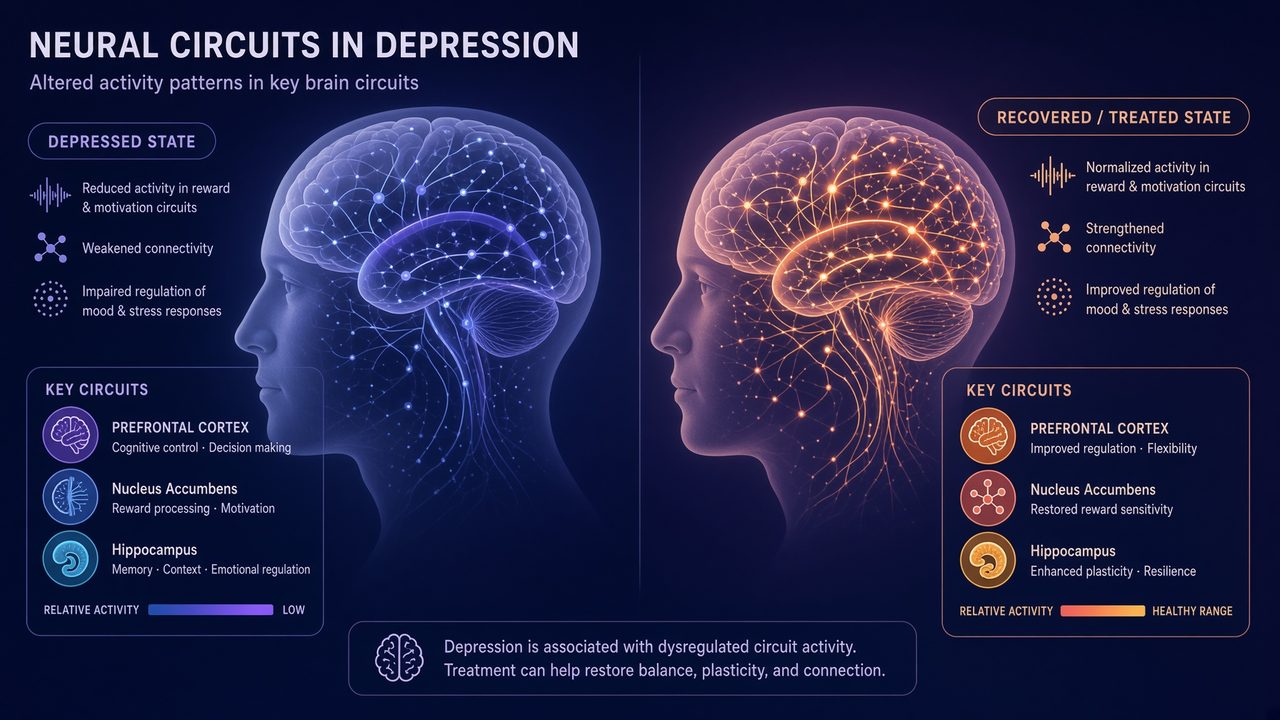
Brain imaging studies find altered activity and connectivity among the prefrontal cortex, anterior cingulate, amygdala and hippocampus. The prefrontal regions that normally regulate emotion are often less active, while limbic regions that respond to negative information can be more reactive.
Reward system
Depression frequently involves reduced activity in reward circuits including the nucleus accumbens and related dopamine pathways. This fits the loss of interest and motivation that many people describe.
The default mode network
This network is active during inward-focused thought. In depression it can be overactive and strongly connected to areas involved in negative emotion, which may help explain rumination, the repetitive, self-focused thinking that keeps people stuck.
Chemistry and hormones
Chemical messengers such as serotonin, norepinephrine and dopamine are important, and many antidepressants act on them. But the drugs often take weeks to work, and depression is not simply caused by too little of one chemical. Other contributors include:
- Stress hormones. Many people with depression show overactivity of the HPA axis and raised cortisol.
- Inflammation. Higher levels of inflammatory markers are found in some people with depression, and chronic inflammatory illness raises depression risk.
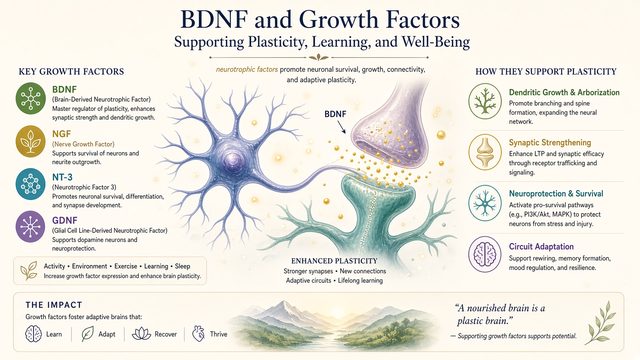
- Neuroplasticity. Chronic stress and depression are linked to reduced connections in areas such as the hippocampus and prefrontal cortex, and effective treatments appear to promote plasticity.

Risk factors
Depression arises from a mix of influences:
- Family history and genetic vulnerability
- Early-life adversity or trauma
- Chronic stress, loneliness or loss
- Medical illness and chronic pain
- Sleep disturbance
- Substance use
- Hormonal changes, such as after childbirth
Treatments that work
Psychotherapy
Cognitive behavioral therapy, behavioral activation and interpersonal therapy are effective for many people, and combined with medication they often work better for moderate to severe depression.
Medication
Antidepressants help many people, though no single drug works for everyone, and finding the right one can take time. Side effects and withdrawal symptoms exist, so medication should always be managed with a prescriber.
Brain stimulation
For depression that has not responded to other treatments, options include transcranial magnetic stimulation and electroconvulsive therapy, which is among the most effective treatments for severe depression. Esketamine, a nasal spray related to ketamine, is approved for treatment-resistant depression under medical supervision.
Lifestyle approaches
Regular physical activity, regular sleep, daylight exposure, social contact and treating alcohol use all help. These are not substitutes for treatment in moderate to severe depression but are valuable parts of recovery.
Recognizing depression
Common signs include persistent low mood, loss of interest, changes in sleep or appetite, fatigue, trouble concentrating, feelings of worthlessness and thoughts of death. Symptoms lasting two weeks or longer warrant a conversation with a clinician.
If you or someone you know is in crisis
If you are thinking about harming yourself, you are not alone and help is available. In the United States, call or text 988 to reach the Suicide & Crisis Lifeline at any time. If you are in immediate danger, call your local emergency number.
Further reading from authoritative sources
- National Institute of Mental Health (NIMH)
- National Center for Complementary and Integrative Health (NCCIH)
This article is educational and does not replace advice from a licensed clinician. See the medical disclaimer. Looking for specialist care? Browse the neurology clinic directory.