The Neurobiology of Anxiety: What Happens in the Anxious Brain
Anxiety is a normal and useful response that prepares you to deal with danger. For people with anxiety disorders, however, the alarm system becomes overactive, triggers too easily or does not switch off. Neuroscience has mapped many of the circuits involved, which helps explain both the symptoms and why treatments work.
The threat-detection network
The amygdala
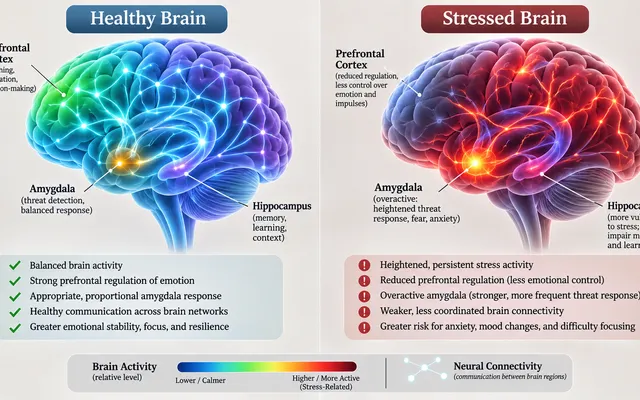
The amygdala, an almond-shaped cluster of nuclei in the temporal lobe, quickly evaluates incoming information for emotional significance. When it detects possible threat, it activates the hypothalamus and brainstem to trigger fast bodily changes: racing heart, quick breathing, muscle tension and heightened alertness. Brain-imaging studies often show stronger amygdala responses to threat cues in people with anxiety disorders.
The prefrontal cortex
Regions of the prefrontal cortex, especially medial and ventromedial areas, help evaluate whether a threat is real and dampen the amygdala when it is not. In anxiety, this top-down regulation appears weaker or less efficient, so alarm signals are harder to turn down.
The hippocampus
The hippocampus provides context, such as where you are and whether this situation was dangerous before. Problems with contextual processing may contribute to anxiety generalizing to safe situations, as in post-traumatic stress.
The bed nucleus of the stria terminalis
Researchers distinguish fear, a response to immediate threat, from anxiety, a sustained state of apprehension about possible future threat. The bed nucleus of the stria terminalis, a small structure near the amygdala, is thought to be especially involved in longer-lasting anxious states.
Chemicals and hormones
- GABA, the main inhibitory neurotransmitter, calms neural activity. Medications such as benzodiazepines enhance GABA signaling.
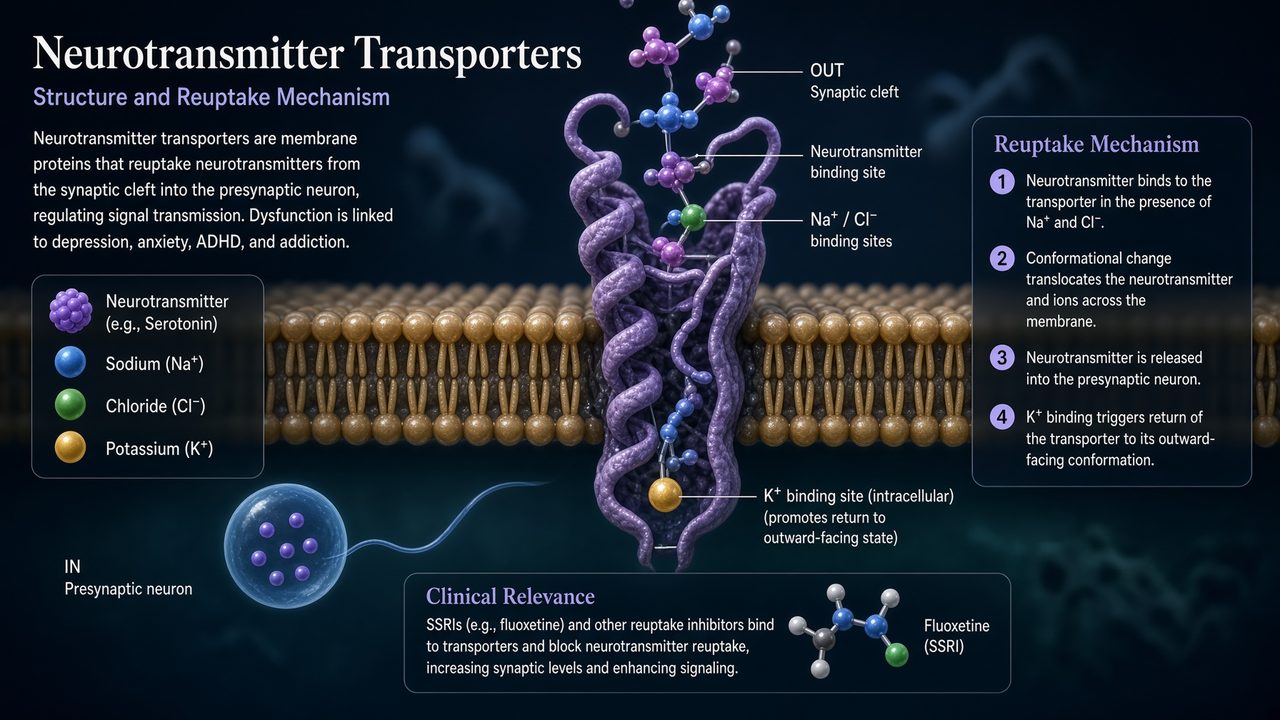
- Serotonin and norepinephrine modulate mood and arousal. Many antidepressants that alter these systems also treat anxiety.
- The HPA axis, the hormonal stress system, releases cortisol. Prolonged activation can affect memory, mood and sleep.
Why some people are more prone
Anxiety disorders run in families, and genes account for a moderate share of risk. Early adversity, chronic stress, temperament and medical conditions such as thyroid disease also contribute. No single gene causes anxiety; many small influences combine with life experience.
Types of anxiety disorders
Different patterns recruit overlapping circuits:
- Generalized anxiety disorder, with persistent, hard-to-control worry
- Panic disorder, with sudden surges of intense fear
- Social anxiety disorder, with fear of scrutiny
- Specific phobias, with strong fear of particular objects or situations
- Related conditions such as obsessive-compulsive disorder and post-traumatic stress disorder, which are classified separately
What helps
Psychotherapy
Cognitive behavioral therapy and exposure-based therapies are first-line treatments. Brain imaging studies suggest that successful therapy increases prefrontal regulation and reduces amygdala reactivity.
Medication
Selective serotonin reuptake inhibitors and related drugs are commonly prescribed. Benzodiazepines can relieve symptoms quickly but carry risks of dependence and are generally recommended for short-term use. Never stop or change medication without talking to your prescriber.
Lifestyle and skills training
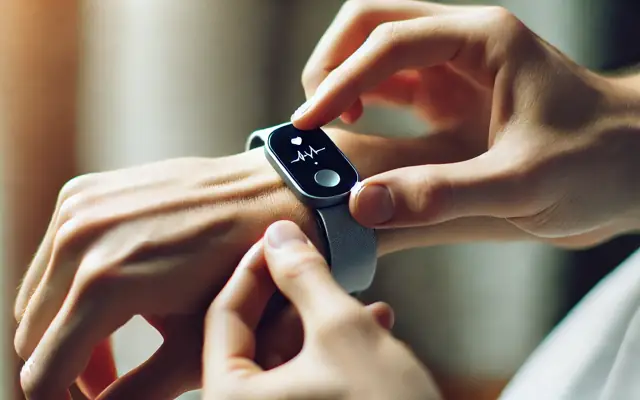
Regular exercise, consistent sleep, limiting caffeine and alcohol, mindfulness and breathing practices all help many people. Biofeedback can teach awareness and control of physical stress responses.
When to get help
Seek an evaluation if anxiety is persistent, disproportionate, or interfering with work, school, relationships or sleep. If you have chest pain or other symptoms, check with a doctor first, since physical conditions can mimic anxiety. If you are in crisis or thinking of harming yourself, call or text 988 in the United States, or your local emergency number.
Further reading from authoritative sources
- National Institute of Mental Health (NIMH)
- National Center for Complementary and Integrative Health (NCCIH)
This article is educational and does not replace advice from a licensed clinician. See the medical disclaimer. Looking for specialist care? Browse the neurology clinic directory.