Serotonin and Well-Being: Beyond the "Happy Chemical" Myth
Serotonin is widely described as the "happy chemical," and low serotonin is often blamed for depression. The reality is far more complicated, and a more accurate picture helps in understanding mood and treatment.
What serotonin does
Serotonin (5-HT) is made from the amino acid tryptophan. About 90 percent is found in the gut, where it regulates motility, while the brain's serotonin comes from a small cluster of neurons in the raphe nuclei of the brainstem that project widely. It influences:
- Mood and emotional processing
- Sleep and circadian rhythms (serotonin is a precursor of melatonin)
- Appetite and digestion
- Cognition, learning and impulse control
- Pain and body temperature
- Social behavior
There are at least 14 receptor subtypes, with different effects, which explains why drugs targeting them vary widely, including psychedelics, which act on the 5-HT2A receptor.
The serotonin hypothesis of depression
The idea that depression is caused by low serotonin arose from observations that drugs which increased serotonin improved mood. A 2022 umbrella review by Joanna Moncrieff and colleagues concluded that there is no consistent evidence that depression is caused by lower serotonin concentrations or activity, a conclusion that generated debate. Critics argue that the review does not rule out roles for serotonin in subsets of patients, and clinicians emphasize that antidepressants are effective for many people regardless of mechanisms. The honest summary is that the causes of depression are multifactorial, involving genetics, stress, inflammation, neural circuits and psychosocial factors, and the precise way antidepressants work is not fully understood.

How SSRIs work
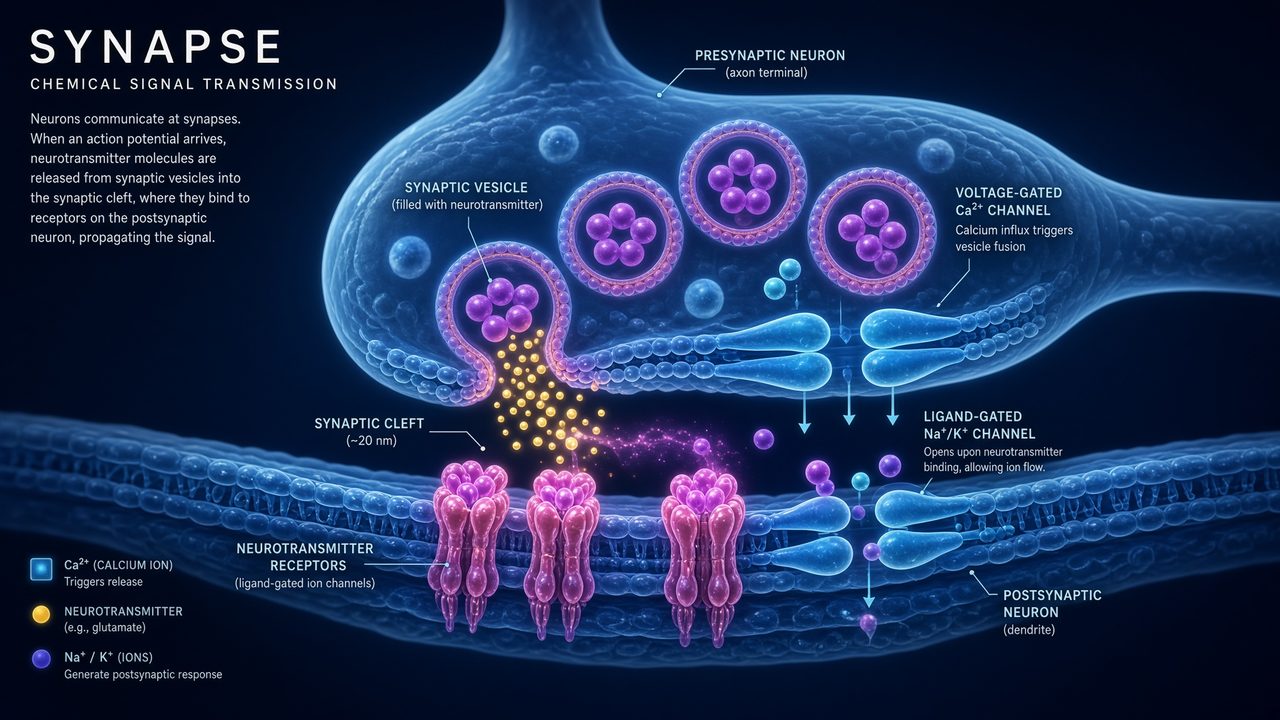
Selective serotonin reuptake inhibitors, such as sertraline and fluoxetine, block the serotonin transporter, increasing serotonin availability in synapses within hours. Yet mood improvements take two to six weeks, suggesting downstream adaptations such as changes in receptors, neuroplasticity and emotional processing biases. Studies by Catherine Harmer show that SSRIs shift emotional processing toward positive stimuli early, before mood improves. Antidepressants are more effective than placebo on average for moderate to severe depression, with variable response among individuals, and they are used for anxiety disorders, OCD and other conditions. People should not stop antidepressants abruptly and should consult their prescriber, as discontinuation symptoms can occur.
Lifestyle and serotonin
- Exercise: increases serotonin synthesis and turnover in animal studies, and improves mood.
- Sunlight: light exposure is associated with serotonin activity, and bright light therapy is effective for seasonal depression.
- Diet: tryptophan is found in protein-rich foods, and carbohydrates can modestly increase its brain uptake. Dietary changes have small effects, and tryptophan supplements are not recommended without medical advice, especially with antidepressants because of the risk of serotonin syndrome.
- Sleep and stress influence serotonin systems.
- Social connection and mindfulness are related to emotional well-being.
Safety note
Serotonin syndrome is a potentially dangerous condition caused by excessive serotonergic activity, with agitation, rapid heart rate, fever, sweating, tremor and muscle rigidity. It can occur when combining certain medicines or supplements, such as St. John's wort, with antidepressants. Seek urgent medical care for such symptoms.
Takeaway
Serotonin matters for mood, sleep and more, but well-being cannot be reduced to one chemical. A balanced approach to treatment and lifestyle serves most people best.
Further reading from authoritative sources
- National Institute of Mental Health (NIMH)
- National Center for Complementary and Integrative Health (NCCIH)
This article is educational and does not replace advice from a licensed clinician. See the medical disclaimer. Looking for specialist care? Browse the neurology clinic directory.