The Neurobiology of Attachment
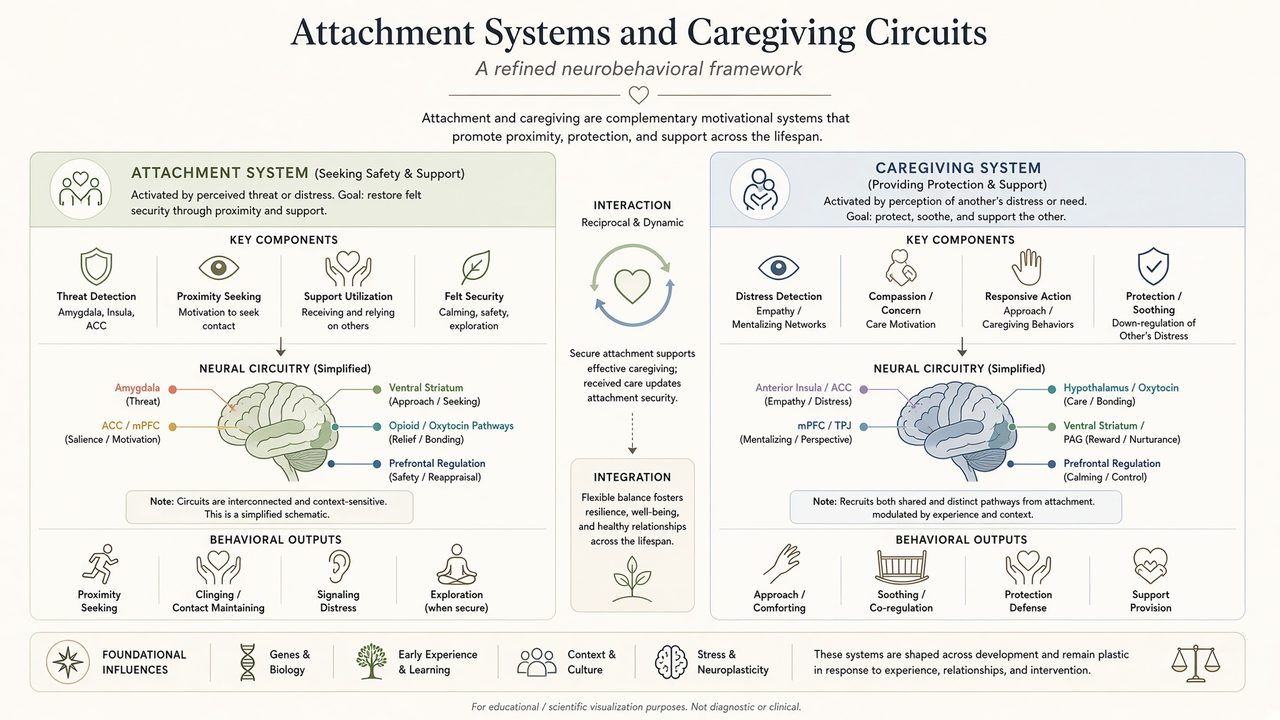
Humans are born needing others. The bonds formed between infants and caregivers, and later between adults, rest on dedicated neural systems that influence stress regulation, relationships and mental health throughout life.
Bonding chemistry
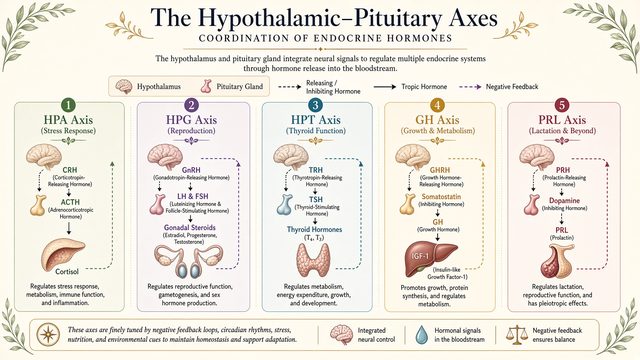
- Oxytocin and vasopressin: peptide hormones produced in the hypothalamus that promote bonding. In prairie voles, Sue Carter and Thomas Insel showed that oxytocin and vasopressin signaling in reward areas underlies monogamous pair bonds. In humans, oxytocin rises during parent-infant interaction, touch and intimacy, though its effects depend on context and individuals, and claims about it as a "love hormone" are oversimplified.
- Dopamine: early romantic love and caregiving engage the ventral tegmental area and striatum, as research by Helen Fisher and Arthur Aron shows.
- Opioids: the brain opioid theory of social attachment proposes that social contact is rewarding through endogenous opioids, and separation distress reflects their withdrawal, as Jaak Panksepp suggested.
- Stress hormones: secure attachment buffers the stress response, and the presence of a caregiver lowers cortisol.
Brain regions
The amygdala, anterior cingulate, insula, orbitofrontal cortex, medial prefrontal cortex and hypothalamus participate in social bonding and emotional evaluation. In parents, brain regions for empathy and reward respond to infant cues.

Attachment styles
John Bowlby and Mary Ainsworth described patterns shaped by caregiving experiences:
- Secure: the child uses the caregiver as a safe base and is comforted when distressed.
- Anxious (ambivalent): clingy and distressed on separation, difficult to soothe.
- Avoidant: minimizes distress and avoids closeness.
- Disorganized: associated with frightening or unpredictable caregiving, and linked to later difficulties.
Adults show similar patterns in relationships. Imaging studies suggest that secure and insecure adults differ in amygdala and prefrontal responses to social threat and in reward responses to social cues, though findings are modest and vary.
Early experience and the brain
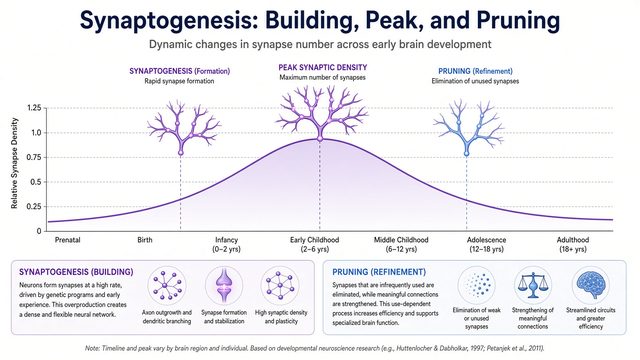
Studies of children raised in institutional care in Romania, led by Charles Nelson, Nathan Fox and Charles Zeanah in the Bucharest Early Intervention Project, found that severe early deprivation affected brain development, cognition and attachment, and that earlier placement in foster care improved outcomes, particularly if before about two years of age. Early adversity can alter stress system development and prefrontal-amygdala connectivity.
Plasticity and earned security
Attachment patterns are not destiny. Secure relationships later in life, including with partners, mentors and therapists, can foster "earned security." Therapies such as attachment-based therapy, mentalization-based therapy and emotionally focused therapy aim to improve relational patterns. Parenting interventions that increase sensitivity, such as video-feedback programs, improve attachment security in trials.
Nurturing secure bonds
- Respond warmly and consistently to infants' signals.
- Offer physical closeness: skin-to-skin contact and holding.
- Repair after conflict: rupture and repair teaches that relationships can survive stress.
- Talk about feelings and model emotional regulation.
- Take care of your own wellbeing as a caregiver.
- Seek support for postpartum depression and parenting stress.
- In adult life, communicate needs, choose supportive partners and consider couples or individual therapy for recurring relationship problems.
Takeaway
Attachment is a biological system for staying connected and safe. Early care shapes it, and later relationships can reshape it.
Further reading from authoritative sources
- National Institute of Mental Health (NIMH)
- National Center for Complementary and Integrative Health (NCCIH)
This article is educational and does not replace advice from a licensed clinician. See the medical disclaimer. Looking for specialist care? Browse the neurology clinic directory.