The Neurobiology of Resilience in Children
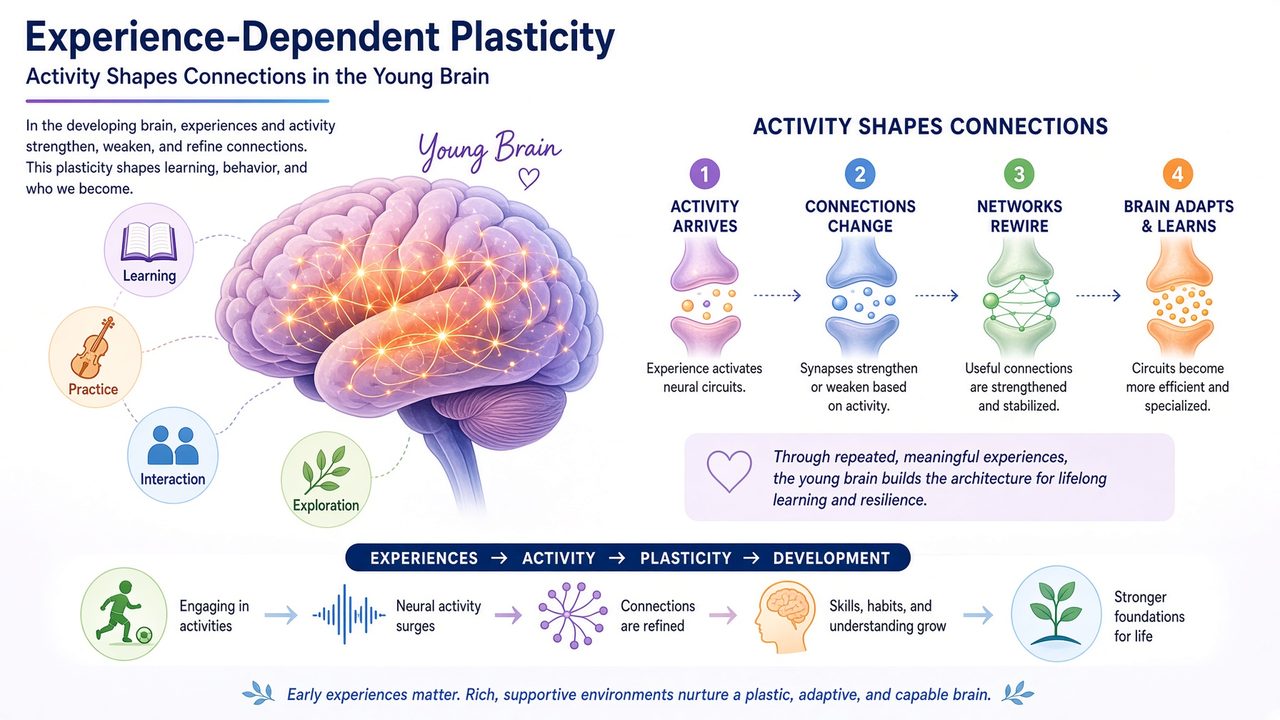
Some children thrive despite hardship, while others struggle. Research on resilience, the capacity to adapt positively after adversity, shows that it is not a fixed trait but an outcome of relationships, experiences and developing brain systems.
What resilience is
Ann Masten called resilience "ordinary magic": it arises from ordinary adaptive systems such as strong attachments, problem-solving skills, self-regulation, and supportive communities. Resilience is a process shaped by interactions between a child and environment, not an immutable personality trait.
Stress systems
Children's responses to stress are regulated by the HPA axis and sympathetic nervous system. The Center on the Developing Child at Harvard distinguishes positive, tolerable and toxic stress. When stress is manageable and supported by caring adults, children learn to cope. Prolonged, unbuffered adversity can lead to heightened reactivity, as the Adverse Childhood Experiences study demonstrated. Supportive caregiving buffers cortisol responses, particularly in young children.

Brain systems and skills
- Prefrontal cortex and executive function: working memory, inhibition and flexible thinking help children manage emotions and behavior. These skills develop through experience and are especially responsive to training in early childhood.
- Amygdala-prefrontal connectivity: shifts during childhood and adolescence, and is shaped by early caregiving. Studies by Nim Tottenham find that maternal presence dampens amygdala reactivity in young children, a buffering effect that shifts as children mature.
- Reward and motivation systems: hope and a sense of efficacy support persistence.
- Epigenetics and genes: variations in genes and epigenetic marks influence sensitivity. Jay Belsky and Michael Pluess proposed differential susceptibility, which suggests that some children are more affected by both negative and positive environments, which implies they benefit more from supportive environments.
Protective factors
Research by Emmy Werner and Ruth Smith in the Kauai longitudinal study and later studies identified:
- A stable, caring relationship with a parent, grandparent, teacher or mentor
- Good cognitive and self-regulation skills
- Sense of purpose or faith and cultural connection
- Community supports, such as schools, peers and activities
- Competence in something, such as sports or arts
- Safe, predictable environments
Building resilience in children
- Be a consistent, warm presence, and repair after conflicts.
- Teach emotional vocabulary and coping strategies, such as breathing and problem solving.
- Allow age-appropriate challenges and struggle, with support, so that children experience mastery.
- Build routines and predictability, especially during upheaval.
- Foster executive function through games, pretend play, music and physical activity.
- Promote sleep, nutrition and physical activity.
- Encourage friendships and belonging.
- Model coping and optimism.
- Support caregivers: resilient parents help raise resilient children. Programs that help parents manage stress and use positive discipline improve outcomes.
- Use school-based social-emotional learning and mindfulness programs, which show modest benefits.
- Seek professional help early for trauma, anxiety, depression or behavioral concerns. Trauma-focused CBT is effective for children after trauma.
Resilience in schools and communities
Resilience is not built by families alone. Schools that offer predictable routines, caring teachers, and social and emotional learning give children repeated chances to practice regulation and problem solving. Community programs such as sports, arts, faith groups and mentoring add belonging and competence. After disasters or family disruption, quickly restoring routines, schools and relationships is one of the most effective ways to support children's recovery.
Takeaway
Resilience grows from relationships and supportive environments. Adults who provide safety, skill-building and connection give children's brains the best chance to adapt well.
Further reading from authoritative sources
- National Institute of Mental Health (NIMH)
- National Center for Complementary and Integrative Health (NCCIH)
This article is educational and does not replace advice from a licensed clinician. See the medical disclaimer. Looking for specialist care? Browse the neurology clinic directory.