The Neuroscience of Optimism
Most people expect their futures to be better than average. This tendency, known as the optimism bias, is a feature of human cognition with identifiable brain mechanisms and measurable consequences for health and behavior.
The optimism bias
Tali Sharot's research shows that around 80 percent of people display an optimism bias. They overestimate the likelihood of positive events such as career success, and underestimate negative ones such as illness or divorce. When people receive information about the actual likelihood of a bad event, they update their beliefs more when the news is better than expected than when it is worse, a pattern linked to reduced activity in the right inferior frontal gyrus for undesirable information. Transcranial magnetic stimulation of this region reduced the bias in an experiment, suggesting a causal role.
Brain mechanisms
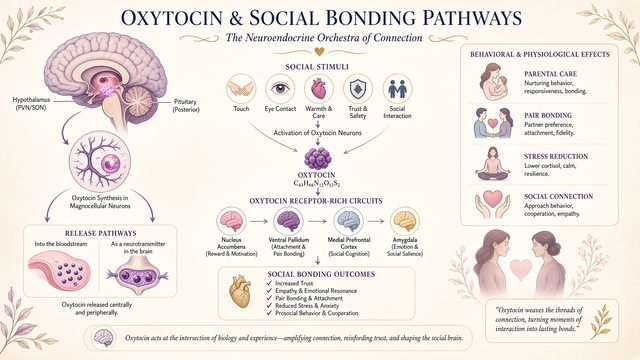
- Rostral anterior cingulate cortex and amygdala: Sharot's work found that optimistic individuals show greater activation in the rostral anterior cingulate when imagining positive future events, with connectivity to the amygdala.
- Ventromedial prefrontal cortex and striatum: value future outcomes.
- Hippocampus: supports imagining future events, since the same system that remembers the past constructs possible futures.
- Dopamine: drugs that raise dopamine, such as L-DOPA, increased optimistic belief updating in one experiment.
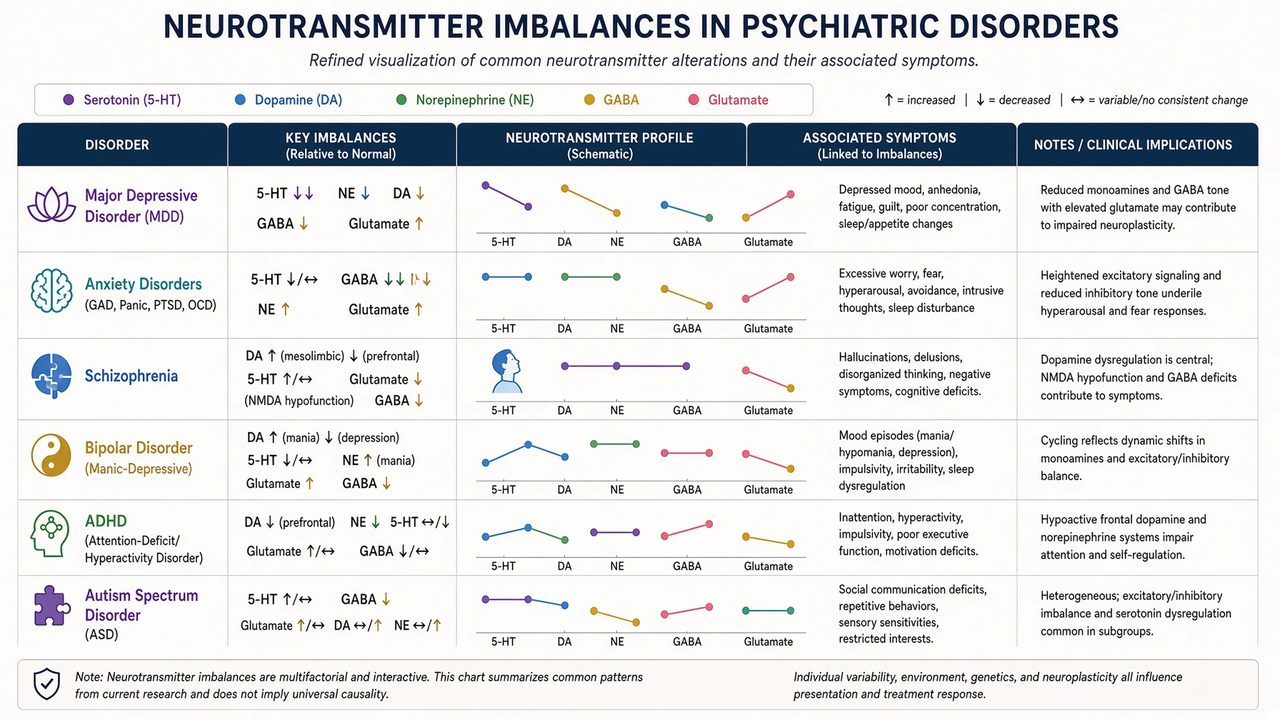
- Depression: people with depression show less optimism bias, and some research proposes that mild depressive realism, a more accurate assessment of control, exists, although findings are mixed.

Benefits
Studies find that dispositional optimism, as measured with the Life Orientation Test developed by Michael Scheier and Charles Carver, is associated with:
- Lower risk of cardiovascular events and better recovery after heart surgery
- Better immune function in some studies and lower mortality in large cohorts such as the Nurses' Health Study
- Greater persistence in pursuing goals
- Better coping with stress and adversity
- Healthier behaviors such as exercise and diet
- Higher well-being and stronger social relationships
Causality is difficult to establish, since optimism correlates with income, education and health, but longitudinal designs suggest independent associations.
Downsides
Unrealistic optimism can lead to underestimating risks, such as skipping screenings, ignoring safety measures, or overspending. The planning fallacy leads people to underestimate how long tasks take. Defensive pessimism, which involves imagining possible problems in order to prepare, can be effective for some anxious people.
Learned optimism
Martin Seligman's work on explanatory style suggests that optimists explain bad events as temporary, specific and external, and pessimists as permanent, pervasive and personal. Training in cognitive restructuring may shift explanatory style and reduce depression risk, as studies of programs such as the Penn Resiliency Program for youth have shown, though effects vary.
Cultivating realistic optimism
- Identify automatic negative predictions and test them against evidence.
- Reframe setbacks as temporary and specific.
- Visualize both positive outcomes and obstacles, using mental contrasting with implementation intentions (WOOP), developed by Gabriele Oettingen, which improves goal attainment better than positive fantasizing alone.
- Practice gratitude, such as noting three good things each day.
- Set achievable goals and celebrate progress.
- Surround yourself with supportive people.
- Care for the basics: sleep, exercise and nutrition.
- Take protective action while hoping for the best.
- Seek help if pessimism is persistent and part of depression.
Takeaway
Optimism is a brain tendency worth cultivating in a realistic way. Expecting good outcomes while preparing for problems offers the best of both worlds.
Further reading from authoritative sources
- National Institute of Mental Health (NIMH)
- National Center for Complementary and Integrative Health (NCCIH)
This article is educational and does not replace advice from a licensed clinician. See the medical disclaimer. Looking for specialist care? Browse the neurology clinic directory.