The Neuroscience of Self-Esteem
How we feel about ourselves colors how we approach relationships, work and challenges. Self-esteem has been studied by psychologists for decades, and neuroscience is beginning to show how the brain represents self-worth and responds to feedback.
What self-esteem is
Self-esteem is the overall evaluation of one's worth. Trait self-esteem is relatively stable, while state self-esteem fluctuates with events. Mark Leary's sociometer theory proposes that self-esteem works as a gauge of social acceptance, telling us how well we are included, which explains why rejection hurts self-worth.
Brain regions
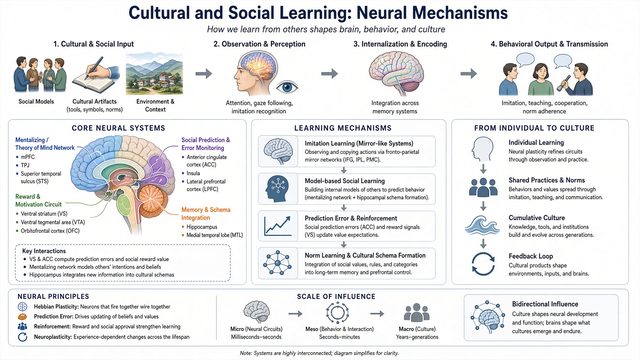
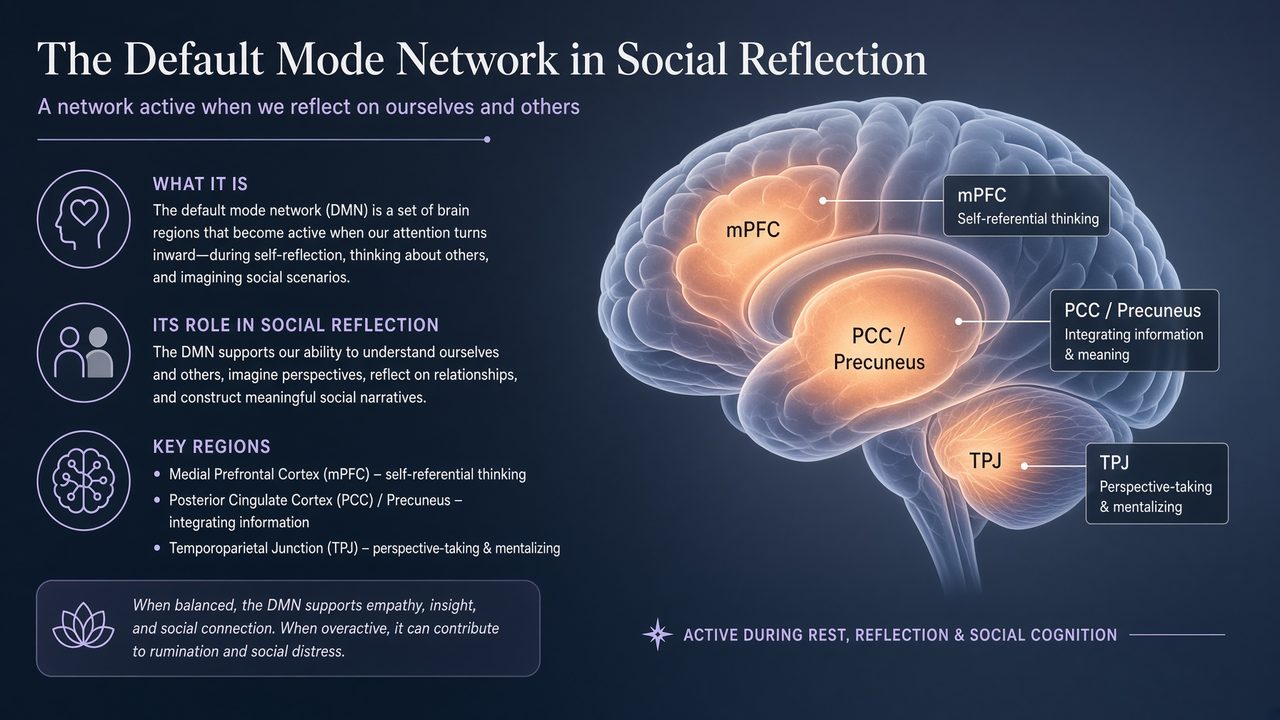
- Medial prefrontal cortex and posterior cingulate cortex: involved in self-referential thinking. Activity in the ventromedial prefrontal cortex tracks positive self-evaluation, and links with the ventral striatum when people receive positive social feedback.
- Ventral striatum: responds to praise and social approval as a reward.
- Amygdala and insula: react to criticism and exclusion.
- Dorsolateral prefrontal cortex: supports regulation of self-critical thoughts.
- Studies: imaging by Kate Pasley and Georg Northoff, and others, show that people with lower self-esteem have different patterns of connectivity in self-processing networks and greater reactivity to negative evaluation. Findings are early, and effect sizes are small.

How self-esteem develops
Parenting that is warm and supportive, with realistic praise and expectations, fosters healthy self-esteem. Experiences of competence, belonging and accomplishment in school, peer groups and later life shape it, while bullying, harsh criticism and chronic adversity can erode it. Self-esteem tends to rise from childhood through adulthood, peaks in the 50s to 60s, and declines in old age, according to a meta-analysis by Ulrich Orth and colleagues. Adolescent girls often show a dip.
Why it matters
Low self-esteem is associated with depression, anxiety, eating disorders and relationship difficulties. Longitudinal studies suggest that low self-esteem predicts later depression, though the relationship goes both ways. High self-esteem is not always beneficial: fragile or inflated self-esteem, contingent on success and defended aggressively, is linked with narcissism and aggression. Roy Baumeister's reviews found that efforts to boost self-esteem in schools, without actual achievement, had limited effect.
Building healthy self-esteem
- Focus on competence: self-worth grows from mastering skills and keeping commitments. Take on achievable challenges.
- Challenge the inner critic: CBT techniques identify and test negative self-beliefs.
- Practice self-compassion: it is associated with more stable self-worth and less dependence on achievement.
- Align with your values and act accordingly.
- Surround yourself with supportive people, and reduce time with those who belittle you.
- Set boundaries and learn to say no.
- Take care of your body: exercise, sleep and nutrition improve mood and self-perception.
- Reduce social comparison, especially on social media.
- Celebrate progress and keep a record of accomplishments.
- Help others, which fosters a sense of worth.
- Seek therapy for persistent low self-esteem, depression, trauma or relationship problems.
For parents and teachers
Praise effort and strategy instead of fixed ability. Give genuine feedback, allow children to face manageable challenges, and show unconditional regard.
Takeaway
Self-esteem is shaped by the brain's response to social feedback and personal achievement. Building it takes consistent action, compassionate self-talk and supportive relationships.
Further reading from authoritative sources
- National Institute of Mental Health (NIMH)
- National Center for Complementary and Integrative Health (NCCIH)
This article is educational and does not replace advice from a licensed clinician. See the medical disclaimer. Looking for specialist care? Browse the neurology clinic directory.