Digital Detox: Does It Help the Brain?

Digital detoxes, from weekend phone-free retreats to month-long social media breaks, are increasingly popular. The research suggests small to moderate benefits for some people, and also shows that how you do it matters.
What studies show
- Social media reduction experiments: Melissa Hunt and colleagues at the University of Pennsylvania asked students to limit social media to 30 minutes per day for three weeks, and found reductions in loneliness and depression compared with controls. A Danish experiment run by the Happiness Research Institute found that a week without Facebook was associated with higher life satisfaction in many participants, and a randomized study of young adults found that a one-week social media break was associated with improvements in anxiety, depression and insomnia.
- Smartphone use: studies of reduced smartphone use find improvements in attention, wellbeing and sleep in some people, and others show no change. Some people experience withdrawal-like irritability at first.
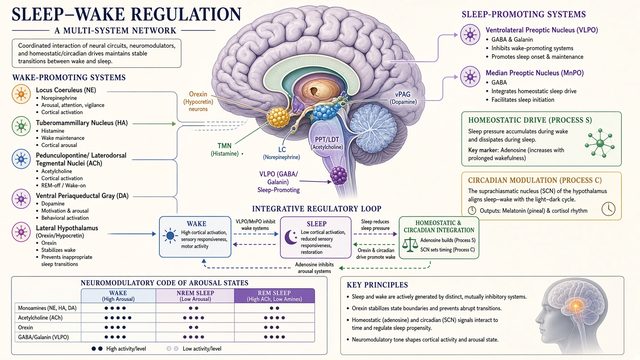
- Sleep: removing screens at night consistently improves sleep onset and duration in trials.
- Attention: having a phone out of sight, rather than just silenced, improved performance in some experiments, though replication is mixed.
- Moderation versus abstinence: reductions in use often yield benefits similar to complete breaks, and are easier to sustain.
- Inconsistent findings: some experiments find no change in wellbeing, particularly when participants were not heavy users or when other factors dominated.
- Individual differences: people who feel their use is problematic, or who use passively and compare themselves to others, benefit most.
Why detox may help
Less exposure to notification interruptions, social comparison and variable-reward loops can reduce stress and distraction, and free time for sleep, exercise and in-person relationships. Time away can also help people reflect on how technology fits in their lives.

Limits and cautions
- Not a cure for mental health conditions.
- Some people rely on technology for social contact, work or support, and abrupt withdrawal can increase loneliness.
- Rebound: people often return to old habits without a plan.
- Wellness marketing: expensive retreats are not necessary.
How to try it
- Start with a clear goal, such as better sleep or more focus.
- Choose a scope: a weekend, a week, or specific hours daily, or certain apps.
- Tell others, and arrange alternatives for needs such as navigation or work.
- Remove temptations: log out, delete apps, use website blockers and charge phones outside the bedroom.
- Plan replacements: walks, hobbies, reading and time with friends.
- Notice how you feel, and keep a short log.
- Build sustainable rules: notification limits, phone-free meals and no phones in bed.
- Seek help if you struggle to cut down or feel significant distress.
A gentler alternative
If a full detox feels unrealistic, try a limited experiment: one phone-free evening each week, a social media curfew, grayscale mode, or removing apps from the home screen. Small changes repeated often can shift habits without cutting off needed connection.
Takeaway
A break can reset habits and show what matters to you. The goal is not to avoid technology, but to use it on your own terms.
Further reading from authoritative sources
- National Institute of Neurological Disorders and Stroke (NINDS)
- National Center for Complementary and Integrative Health (NCCIH)
This article is educational and does not replace advice from a licensed clinician. See the medical disclaimer. Looking for specialist care? Browse the neurology clinic directory.