Biofeedback and Nutrition: Supporting Healthy Habits
Food choices are shaped by hunger, habit, emotion and stress as much as by knowledge about nutrition. Biofeedback, which gives real-time information about body signals such as heart rate and muscle tension, can help people recognize and manage the stress responses that often drive eating habits.
Stress, the brain and eating
Stress activates the HPA axis and raises cortisol, which can increase appetite for energy-dense foods in some people. Emotional eating involves reward circuits and prefrontal control. When stress is high, prefrontal regulation declines and habits take over. Learning to calm the body can create room for deliberate choices.
How biofeedback may help
Heart rate variability training
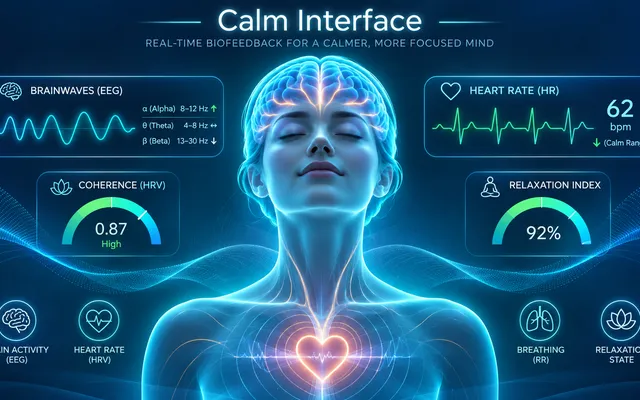
Paced slow breathing increases HRV, and may reduce stress reactivity and cravings. Some small studies of HRV biofeedback report reduced food cravings and improvements in emotional eating, though research in this area is still early.
Skin conductance and awareness
Sensors that track sweat gland activity show arousal in real time, helping people notice rising tension before reaching for a snack.
EMG and muscle tension
Showing muscle tension helps people practice relaxation, which can be useful for stress-related digestive symptoms.
Gut-focused biofeedback
Anorectal biofeedback is a well-established treatment for certain types of constipation due to pelvic floor dysfunction, in which patients learn to coordinate muscles. This is a medical use that is distinct from lifestyle applications.
Neurofeedback
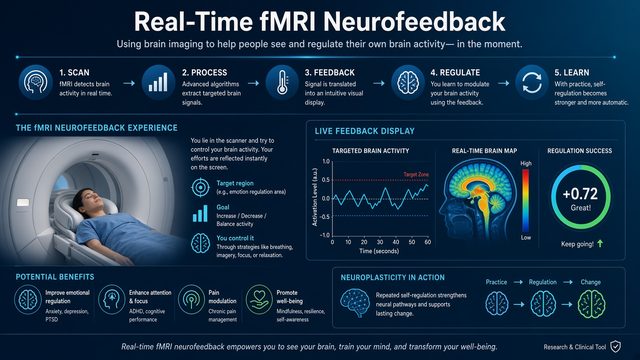
Research is exploring whether brain training could reduce food cravings, but evidence is preliminary.

Mindful eating and interoception
Mindful eating, paying attention to hunger, fullness and the experience of eating, relies on interoception, the sense of the body's internal state. Biofeedback may enhance this awareness, and mindful eating programs have shown benefits for binge eating and emotional eating.
What biofeedback cannot do
- It does not cause weight loss on its own.
- It cannot replace medical care for diabetes, eating disorders or digestive diseases.
- Consumer wearables' calorie and stress estimates may be inaccurate.
Building supportive habits
1. Identify triggers. Keep a brief log of what, when and how you felt when eating. 2. Add a pause. Take three slow breaths before eating when stressed. 3. Practice daily slow breathing for 10 minutes. 4. Plan regular meals with protein, fiber and healthy fats to stabilize energy. 5. Keep healthy foods visible and convenient. 6. Sleep and move. Both improve appetite regulation. 7. Use a wearable or app as a prompt, not a judge.
Eating disorders
People with anorexia, bulimia or binge eating disorder need evaluation and treatment by qualified professionals. Biofeedback should not be used as a substitute for such care, and an approach that emphasizes numbers or monitoring can worsen disordered eating. If eating feels out of control or distressing, talk with a doctor or therapist. In the U.S., the National Alliance for Eating Disorders offers a helpline.
Working with a professional
A registered dietitian can tailor nutrition guidance, and a certified biofeedback practitioner or psychologist can teach regulation skills. Together they can address both what you eat and why.
Bottom line
Biofeedback is a tool for building awareness and calm, which may make it easier to apply your nutritional goals. It works best as part of a broader plan with realistic expectations.
Further reading from authoritative sources
This article is educational and does not replace advice from a licensed clinician. See the medical disclaimer. Looking for specialist care? Browse the neurology clinic directory.