Heart Rate Variability Biofeedback for Lifestyle Change
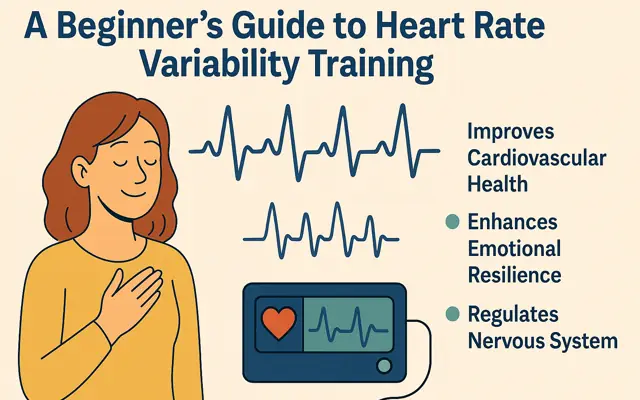
Heart rate variability, or HRV, is the small variation in time between heartbeats. It reflects how flexibly the nervous system adapts to demands, and it can be trained. HRV biofeedback uses a sensor and screen to show you your heart rhythm in real time, so you can learn to breathe in ways that strengthen it.
How it works
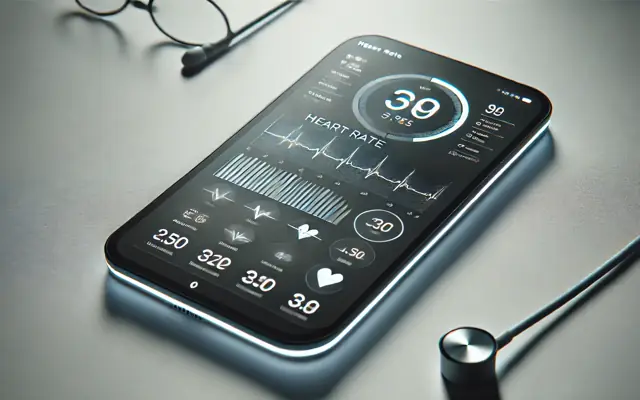
A sensor, such as an ear clip, finger sensor or chest strap, measures pulse, and software displays the heart rate pattern. You breathe at a pace, often around six breaths per minute, that produces the largest oscillations, known as resonance frequency. This stimulates the baroreflex, a feedback loop between blood pressure and heart rate controlled through the vagus nerve and brainstem. Paul Lehrer and Richard Gevirtz developed much of the clinical method, and practice over weeks appears to increase baroreflex gain and HRV.
What studies show
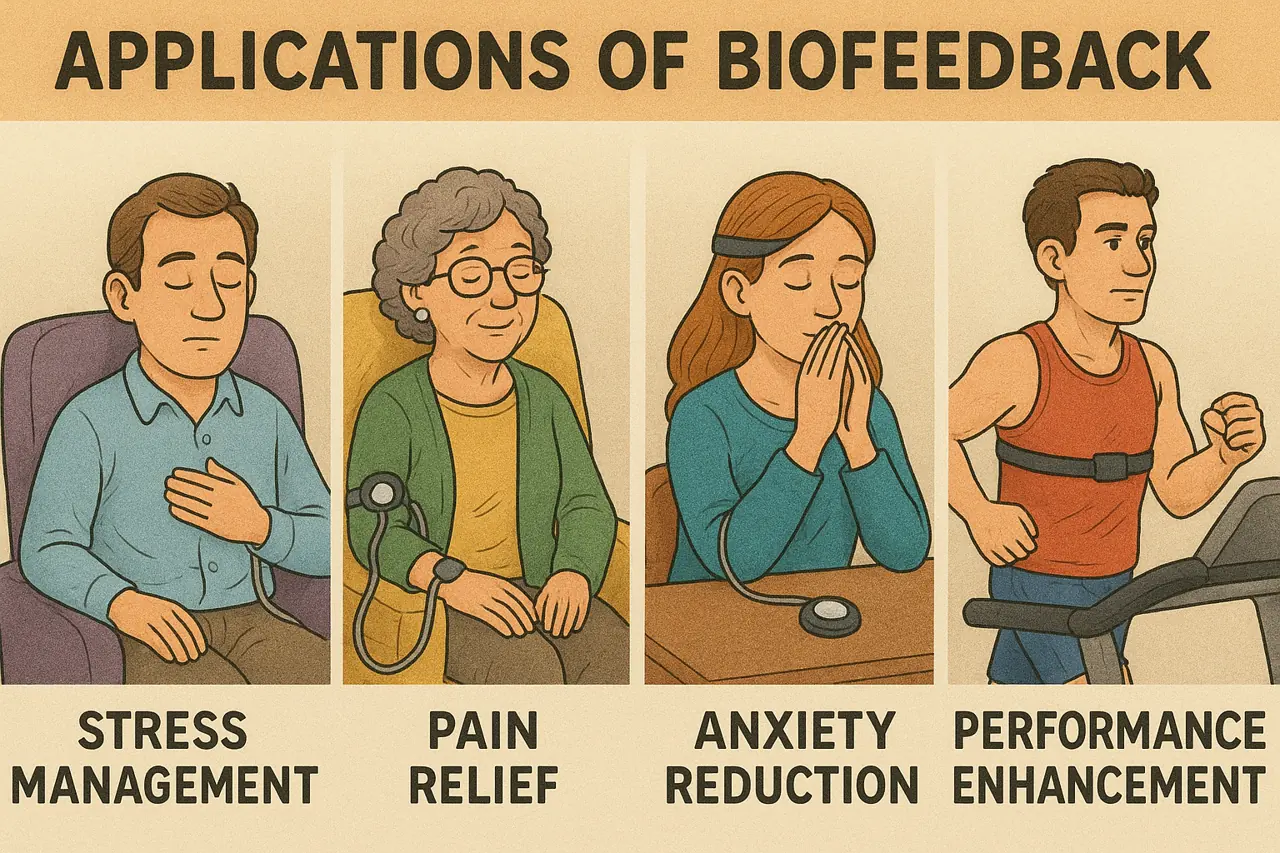
- Stress and anxiety: a meta-analysis by Lehrer and colleagues found that HRV biofeedback has a moderate effect on reducing stress and anxiety.
- Depression: studies show improvements in symptoms, especially as an add-on to other treatment.
- Sleep: some trials report improved sleep quality.
- Blood pressure and asthma: small trials show benefits in some patients.
- Performance and recovery: athletes and professionals use HRV biofeedback to manage pressure.
- Limits: study quality varies, and not all trials find benefits beyond relaxation or placebo comparison.

Using it for lifestyle change
HRV biofeedback is not a diet or exercise plan, but it can support behavior change in several ways:
- Stress management: lowering arousal reduces the urge to cope with food, alcohol or cigarettes.
- Self-awareness: seeing your physiology respond reinforces the link between thoughts, breathing and calm.
- Sleep support: a consistent evening practice helps wind down.
- Daily routine anchor: ten minutes at a regular time builds a habit.
- Tracking readiness: wearable HRV can reflect recovery, though daily readings are noisy and should not be over-interpreted.
Getting started
- Find a trained provider certified by organizations such as the Biofeedback Certification International Alliance, or use validated consumer devices and apps.
- Practice 10 to 20 minutes daily for several weeks, with a goal of calm, smooth breathing.
- Do not strain. Keep breaths gentle and comfortable.
- Combine with other habits, such as exercise, sleep hygiene and social support.
- Consult a doctor if you have heart rhythm problems, a pacemaker, severe respiratory disease or are pregnant, and before using it to manage a medical condition.
- Be wary of overinterpretation: HRV varies with age, fitness, hydration, alcohol, illness and sleep.
A sample four-week plan
Week one, practice paced breathing for five minutes daily at about six breaths per minute without a device. Week two, add a sensor and extend to ten minutes, noting how the heart rhythm graph changes. Week three, practice at a consistent time and try a short session before a stressful event. Week four, move to 15 to 20 minutes and check whether you need less feedback to settle. Keep a short log of mood, sleep and cravings, and share it with a clinician if you work with one.
Takeaway
HRV biofeedback is a practical way to train calm and build resilience. It works best as part of a broader plan that includes movement, sleep and social support.
Further reading from authoritative sources
This article is educational and does not replace advice from a licensed clinician. See the medical disclaimer. Looking for specialist care? Browse the neurology clinic directory.