Seasonal Affective Disorder and Circadian Rhythms
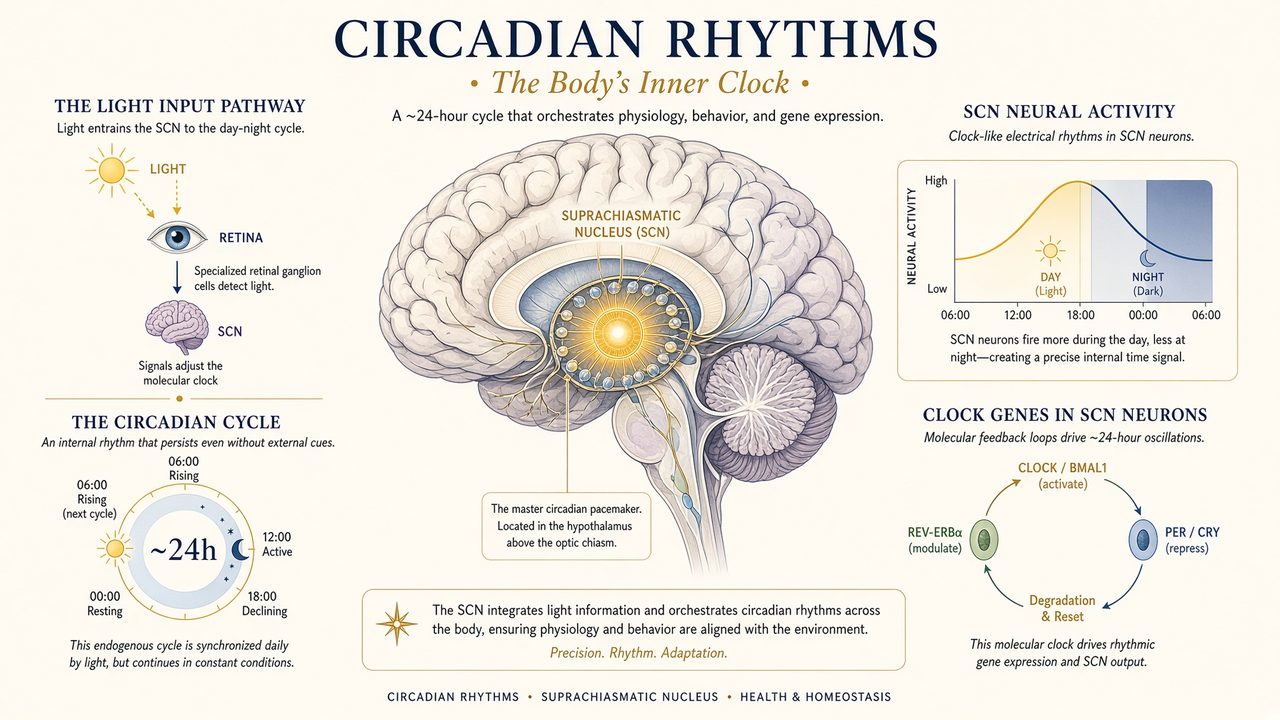
For some people, shorter days bring more than a mild winter slump. Seasonal affective disorder (SAD) is a recurring form of depression linked to the seasons, and circadian rhythm research has shed light on why it happens and how to treat it.
What SAD is
SAD is a recurrent pattern of major depression with a seasonal onset, most commonly in fall or winter with remission in spring or summer. Symptoms include low mood, loss of interest, fatigue, oversleeping, increased appetite and carbohydrate craving, weight gain and social withdrawal. This is described as atypical depression symptoms. A rarer summer pattern features insomnia, poor appetite and agitation. Prevalence is higher at higher latitudes, from about 1 percent in Florida to nearly 10 percent in northern states, and it is more common in women and young adults, according to research by Norman Rosenthal, who first described it in 1984.
Why it happens
- Phase delay hypothesis: Alfred Lewy proposed that in winter, delayed dawn shifts the circadian clock later relative to sleep, causing misalignment between internal rhythms and the sleep schedule. Morning light corrects this.
- Light and serotonin: reduced light may lower serotonin function. Studies by Anna Wirz-Justice and Michael Terman, and a PET study by Jeffrey Meyer, found that serotonin transporter activity is higher in winter in people with SAD, which clears serotonin faster.
- Melatonin: longer nights extend melatonin secretion in some people.
- Vitamin D: low levels are associated with depression, though evidence that supplements treat SAD is weak.
- Genetics and personality: family history and variations in clock genes and melanopsin may play a role.
Treatments
- Bright light therapy: the first-line treatment. A 10,000 lux light box used for 20 to 30 minutes soon after waking, typically from early fall until spring, improves symptoms in a majority of patients, with effects within one to two weeks. Meta-analyses show benefits comparable to antidepressants. Side effects are generally mild, such as eyestrain, headache, nausea or irritability, and can often be reduced by adjusting distance and timing. People with eye disease, bipolar disorder (risk of mania), or those taking photosensitizing medicines should consult a doctor first.
- Cognitive behavioral therapy for SAD: a program developed by Kelly Rohan teaches behavioral activation and cognitive skills specific to winter. A trial showed that CBT-SAD had better long-term outcomes than light therapy at two winters later, with fewer recurrences.
- Antidepressants: SSRIs such as fluoxetine and sertraline, and bupropion extended release, which is approved to prevent seasonal episodes when started before symptoms begin, are options.
- Vitamin D: may help those who are deficient, but it is not a proven SAD treatment.
- Lifestyle: outdoor activity and exercise in daylight, regular sleep, social connection and healthy eating.
- Dawn simulation: gradually brightening bedroom lights before waking, with some evidence.
What to do
- Notice the pattern: track mood and symptoms across seasons.
- Get outside in the morning, even on cloudy days.
- Plan light therapy before symptoms start.
- Keep a routine and stay active and social.
- See a clinician if low mood affects work, relationships or functioning, or if you have thoughts of self-harm. In the United States, call or text 988.
Takeaway
SAD shows how deeply light and the body clock shape mood. Timely light therapy and support can make winter much more manageable.
Further reading from authoritative sources
- National Institute of Neurological Disorders and Stroke (NINDS)
- National Center for Complementary and Integrative Health (NCCIH)
This article is educational and does not replace advice from a licensed clinician. See the medical disclaimer. Looking for specialist care? Browse the neurology clinic directory.