The Neuroscience of Play and Joy
Play looks frivolous, yet it is common across mammals, and the brain devotes substantial resources to it. Neuroscience suggests that play and joy support learning, social bonds and emotional resilience at every age.
Play in animals
Jaak Panksepp's studies of rats found that young rats engage in rough-and-tumble play and emit high-frequency ultrasonic vocalizations, sometimes described as laughter, especially when tickled. He proposed a basic PLAY emotional system in subcortical circuits including the periaqueductal gray, thalamus and ventral striatum, driven by dopamine and opioid signaling. Rats deprived of play show impairments in social behavior and emotional regulation. Stuart Brown, who studied play across species and in people, argues that play deprivation is linked to rigidity and poor coping.
Brain systems of joy
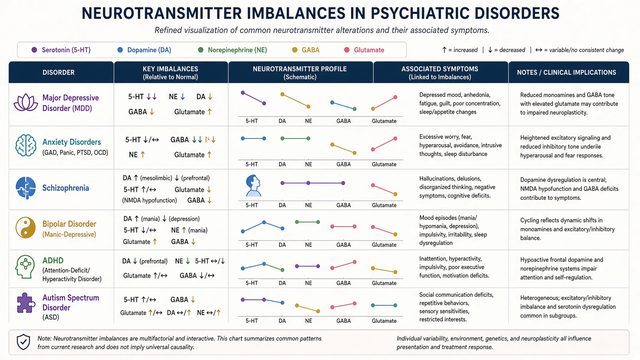
- Dopamine and the ventral striatum: generate anticipation and motivation.
- Endogenous opioids: are associated with pleasurable feelings and social bonding.
- Endocannabinoids: a "runner's high" and play may involve their release.
- Oxytocin: supports closeness in playful interactions.
- Prefrontal cortex: supports creativity and flexible thinking in play.
- Amygdala and stress systems: play occurs in safe contexts, and reduces stress reactivity.

Benefits of play
- Learning and creativity: play lets children explore rules, roles and problem solving. Pretend play is linked to language and executive function development.
- Social skills: play teaches turn-taking, cooperation and managing conflict.
- Emotional regulation: play lets people experience mild stress and recovery in safe ways.
- Physical health: active play supports fitness and motor development.
- Adult benefits: playfulness is associated with lower stress, higher well-being, better relationship satisfaction and creativity at work. Shared laughter and games create bonds.
- Aging: play, humor and social games may help maintain engagement.
Play and brain development
The American Academy of Pediatrics emphasizes that play is essential for children's development and recommends unstructured time with parents and peers. Reduced recess and increased screen time are concerns. Free play, not only adult-directed activities, appears to be important for developing self-direction.
Joy and well-being
Positive emotions, as Barbara Fredrickson's broaden-and-build theory proposes, broaden attention and build lasting personal resources, such as social bonds and coping skills. Joy is not simply the absence of distress. Practices that nurture joy are associated with greater resilience.
Bringing more play into adult life
- Make time for activities done for their own sake: games, sports, music, art, dance, crafts.
- Play with others: board games, team sports, improv.
- Play with children or pets.
- Add playfulness to routines: a walk with a twist, a silly challenge.
- Try new things with a beginner's mindset and tolerance for imperfection.
- Limit screens that replace active engagement.
- Protect leisure from becoming another performance goal.
- Notice joy: pause to savor good moments.
- Consider how play fits alongside mental health care if depression makes pleasure difficult. Loss of joy (anhedonia) is a symptom to discuss with a professional.
Play across cultures and ages
Play takes different forms across cultures, from storytelling and games to sports and ritual dance, and its presence in nearly every society suggests a deep biological root. In older adults, playful activities such as card games, dancing and group crafts support social connection and cognitive engagement. For people recovering from stress or illness, small doses of play can provide a gentle way to experience pleasure again, and many therapists use play-based methods with children and with adults.
Takeaway
Play is how mammalian brains learn, bond and recover. Making room for it is a worthwhile investment at any age.
Further reading from authoritative sources
- National Institute of Mental Health (NIMH)
- National Center for Complementary and Integrative Health (NCCIH)
This article is educational and does not replace advice from a licensed clinician. See the medical disclaimer. Looking for specialist care? Browse the neurology clinic directory.