How Early Experiences Shape the Developing Brain
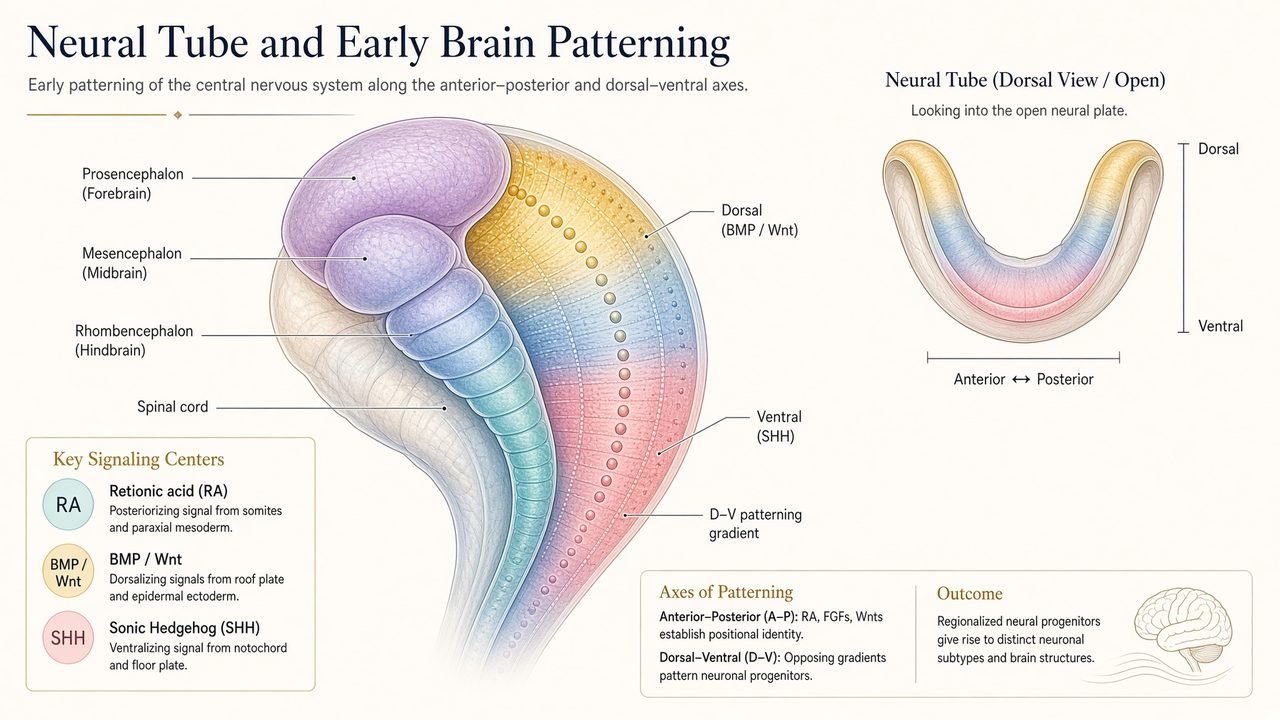
The brain develops faster in the first few years of life than at any other time. Billions of neurons are already present at birth, but the connections between them are still being built, and experiences guide which connections are kept. Understanding this process highlights why early relationships, nutrition and safe environments matter so much.
Rapid growth and wiring
A baby's brain roughly doubles in size during the first year and reaches about 80 percent of adult size by age three and about 90 percent by age five. During this time, synapses form at a breathtaking pace, estimated by developmental researchers to number more than a million new connections every second in early childhood.
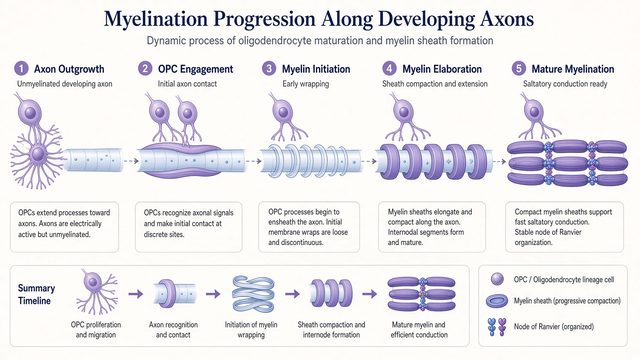
The process then shifts toward pruning. Connections that are used often are strengthened, while those that are rarely used are eliminated, making the brain more efficient. Another process, myelination, wraps nerve fibers in insulation that speeds signals, progressing from sensory and motor regions to higher-order areas over many years.
Sensitive periods
Certain abilities are especially receptive to experience during particular windows of time, often called sensitive or critical periods. Examples include:
- Vision, which depends on both eyes sending clear signals in early life
- Language, where exposure to speech in the first years shapes sound perception and learning
- Emotional attachment and social development
The brain stays plastic after these windows, but changing it often requires more effort.

Serve and return
Researchers describe a back-and-forth pattern between caregiver and child, called "serve and return," as a foundation for brain architecture. When a baby babbles, points or cries and an adult responds with eye contact, words or a hug, circuits supporting communication, emotion regulation and social skills are strengthened. Responsive interaction matters more than expensive toys or programs.
The role of stress
Everyday stress, such as a vaccination or a brief separation, is part of healthy development when supportive adults help the child cope. Toxic stress occurs when a child faces strong, frequent or prolonged adversity, such as neglect, abuse or violence, without adequate support. Persistent activation of the stress response can affect developing circuits for attention, memory and emotion regulation, and increase risks for later physical and mental health problems. Supportive relationships are the key buffer.
Lessons from deprivation
Studies of children raised in severely understaffed institutions, such as the Bucharest Early Intervention Project, found that profound early neglect was associated with delays in language, cognition and brain growth. Children who were moved into high-quality foster care earlier tended to show better outcomes than those who moved later, though many continued to show effects. These findings underscore both the importance of early care and the brain's capacity to recover.
What supports healthy brain development
- Responsive, loving caregiving and secure attachment
- Talking, singing and reading with children from birth
- Good nutrition, including adequate iron, iodine, omega-3 fats and breastfeeding or appropriate formula
- Adequate sleep
- Play, which builds problem-solving, language and social skills
- Safe, stable environments and protection from lead and other toxins
- Regular health care, including vision and hearing checks and developmental screening
- Support for parents, including mental health care, since parental well-being strongly affects children
Early intervention works
If a child shows delays in speech, movement or social engagement, early intervention can make a difference. Programs for language delay, autism and other developmental concerns are most effective when started early, though it is never too late to help. Pediatricians can arrange screening and referrals.
Common myths
- "It is all decided by age three." Early years are crucial, but development continues through adolescence and beyond.
- "Special brain-boosting products are necessary." Everyday interaction is what matters.
- "Babies need constant stimulation." Quiet, unhurried time is also important.
What parents and caregivers can do
You do not have to be perfect. Research suggests that good-enough, consistent responsiveness is what counts, and repair after mistakes strengthens relationships. Take care of yourself, ask for help, and use community resources if you feel overwhelmed.
Further reading from authoritative sources
- National Institute of Mental Health (NIMH)
- National Institute of Neurological Disorders and Stroke (NINDS)
This article is educational and does not replace advice from a licensed clinician. See the medical disclaimer. Looking for specialist care? Browse the neurology clinic directory.