The Neuroscience of Adoption and Brain Development
Adoption gives children permanent families. Many adopted children have experienced adversity before placement, such as neglect, institutional care or trauma, and research shows that moving into a nurturing home often leads to remarkable recovery, though challenges can remain.
Early adversity and the brain
Children raised in institutions with limited caregiving, as in some orphanages, may experience delays in language, cognition and emotional regulation, and show differences in brain structure and function. The English and Romanian Adoptees study, led by Michael Rutter and colleagues, followed children adopted from severely deprived Romanian institutions into UK families in the early 1990s. Many showed dramatic catch-up in cognition and growth after adoption, especially those adopted before about six months of age, though a minority had lasting difficulties with attention, social behavior, or cognition. Brain imaging studies by Nim Tottenham and others found that some early-adopted children show differences in amygdala and prefrontal development, and these may relate to attachment and emotional regulation.
Recovery and plasticity
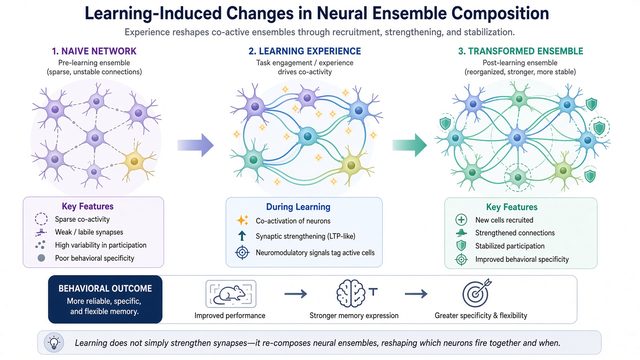
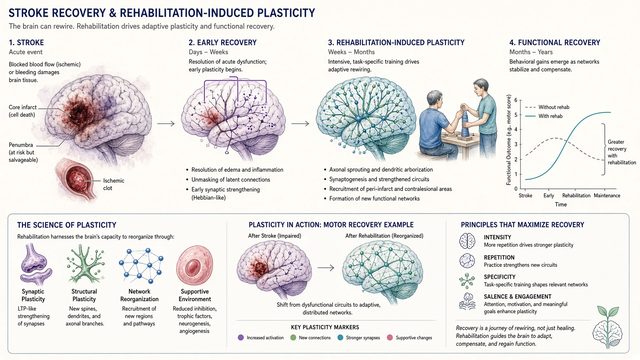
The Bucharest Early Intervention Project, led by Charles Nelson, Nathan Fox and Charles Zeanah, randomized institutionalized children to foster care or continued institutional care, and found better cognitive, language, and emotional outcomes for those placed in family care, particularly if placed before age two. This shows the brain's plasticity and the importance of early nurturing.

Attachment and identity
Adopted children may need time to trust caregivers, and may show behaviors such as clinginess, indiscriminate friendliness, or withdrawal. Secure attachment can develop with consistent, sensitive care. Adolescents often explore identity, origins and loss, and benefit from open, honest communication about adoption. Transracial and international adoptees may need support in understanding culture and handling discrimination.
Genes and environment
Adoption studies are valuable tools for separating genetic and environmental effects. They show that both matter. Adopted children's IQ and wellbeing are influenced by adoptive home environments, particularly in early life, and by their genetic backgrounds.
Challenges
- Prenatal exposures, such as alcohol or drugs, may have lasting effects.
- Trauma and loss: grief about separation can arise at any time.
- Learning and behavior: attention difficulties and anxiety are more common.
- Medical and developmental needs
Supporting adopted children
- Provide predictable, warm care and reliable routines
- Be patient with trust building
- Talk openly about adoption from an early age in age-appropriate ways
- Seek trauma-informed therapy, attachment-focused parenting programs and school support when needed
- Connect with adoptive family communities
- Support identity and cultural connection
- Prepare parents with training and post-adoption services
- Look after caregivers' wellbeing
Education and school
Adopted children may need extra support at school with attention, learning or emotional regulation. Share relevant background with teachers, request evaluations early and use individualized plans. Predictable routines and patient teachers make a large difference.
Lifelong perspective
Adoption is a lifelong experience for children and families. Adults who were adopted may seek information about birth family, medical history or culture, and access to records, counseling and support groups can help them make sense of their stories.
Takeaway
Adoption can transform a child's developmental path. With love, patience and support, many children thrive.
Further reading from authoritative sources
- National Institute of Mental Health (NIMH)
- National Institute of Neurological Disorders and Stroke (NINDS)
This article is educational and does not replace advice from a licensed clinician. See the medical disclaimer. Looking for specialist care? Browse the neurology clinic directory.