The Neuroscience of School Environments
Children spend about a thousand hours a year in school, and the setting shapes their attention, stress and learning. Neuroscience and education research point to several environmental factors.
Relationships and climate
Students learn best when they feel safe and connected. Positive teacher-student relationships, predictable routines and a climate free from bullying reduce stress and support attention and memory. Chronic stress and fear can crowd out learning. Social and emotional learning programs have been shown in meta-analyses to improve behavior, emotional skills and academic performance.
Physical environment
- Acoustics: noise and echo reduce comprehension, especially for younger children and those learning in a second language. Studies find that classroom noise is associated with lower test performance.
- Light: natural light is linked to improved attendance and performance in some studies, and glare and flicker should be minimized.
- Air and temperature: a study by Peter Barrett and colleagues of English classrooms found that factors such as light, air quality and flexibility explained a notable portion of variation in pupils' progress, though cause and effect are hard to prove.
- Layout: clear zones, limited clutter and flexible seating. Some studies suggest that highly decorated classrooms may distract young children, as found by Anna Fisher and colleagues, although the practical implications are still debated.
- Green schoolyards and outdoor learning: associated with better attention and mood.

Schedules and sleep
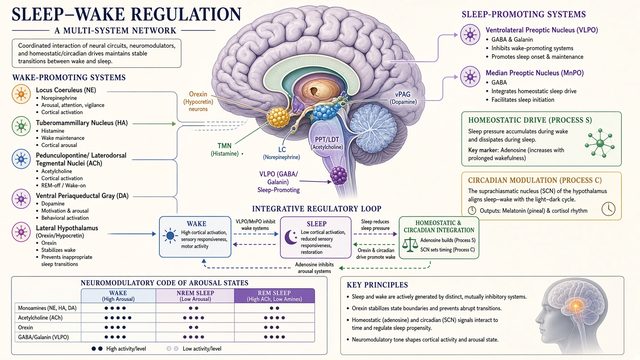
Adolescents have a shifted circadian rhythm, and studies of later school start times, as in research by Kyla Wahlstrom, show more sleep, improved attendance and mood, and fewer car crashes. The American Academy of Pediatrics recommends that middle and high schools start no earlier than 8:30 a.m.
Movement and play
Physical activity improves attention, memory and mood. Recess, physical education and movement breaks support learning. Short, active breaks during lessons help restless students.
Food and wellbeing
School meals support concentration, particularly for children who are food insecure. Access to water and healthy meals matters.
Learning differences
Students with ADHD, dyslexia, autism and sensory sensitivity benefit from supportive design, such as quiet corners, visual schedules, clear instructions and assistive technology. Universal design for learning helps all students.
How schools can improve
- Invest in teacher training and relationships
- Improve acoustics and lighting
- Protect recess and physical education
- Consider later start times for teens
- Build supportive discipline, rather than harsh exclusion
- Include mental health services
- Engage families and students
Technology in classrooms
Devices can personalize learning, but unrestricted access can distract. Clear rules about when screens are used, and a focus on active tasks rather than passive viewing, help students stay engaged.
Supporting teachers
Teacher stress and burnout affect students. Reasonable class sizes, planning time and professional support improve teachers' wellbeing and, in turn, classroom climate.
Family and community links
Strong connections between home and school, including regular communication and community partnerships, give children consistent support across settings.
Takeaway
School environments can be tuned for learning. The best changes combine safe relationships, comfortable spaces and attention to sleep and movement.
Further reading from authoritative sources
- National Institute of Mental Health (NIMH)
- National Institute of Neurological Disorders and Stroke (NINDS)
This article is educational and does not replace advice from a licensed clinician. See the medical disclaimer. Looking for specialist care? Browse the neurology clinic directory.