The Science of Adverse Childhood Experiences (ACEs)
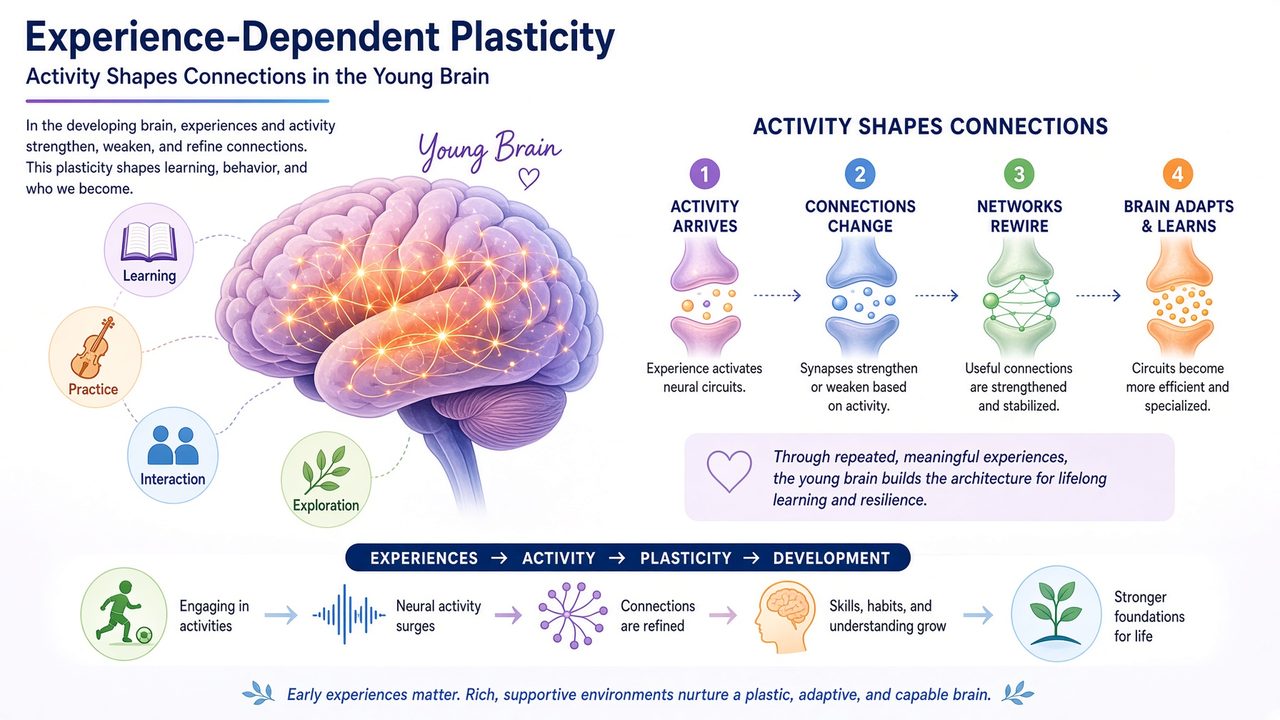
Adverse childhood experiences, or ACEs, are potentially traumatic events that occur before age 18, such as abuse, neglect and growing up in a household affected by violence, substance use, mental illness or incarceration. The concept came from a large study in the 1990s that changed how doctors and policymakers think about the roots of adult health.
The original study
The CDC-Kaiser Permanente ACE Study, led by physicians Vincent Felitti and Robert Anda, surveyed more than 17,000 adults about childhood experiences and linked their answers to health outcomes. It found that ACEs were far more common than expected and that the number of ACEs was related in a graded way to many adult conditions, including heart disease, depression, substance use and early mortality.
The original categories included physical, emotional and sexual abuse, emotional and physical neglect, and household challenges such as domestic violence, parental separation, and a family member with substance use problems, mental illness or incarceration. Later work recognized that other adversities, such as community violence, discrimination, bullying, poverty and foster care involvement, also matter.
How common are they?
National surveys in the United States suggest that roughly six in ten adults report at least one ACE, and about one in six report four or more. Prevalence is higher among groups facing economic hardship or discrimination.

How ACEs may affect the brain and body
When a child experiences severe or prolonged stress without adequate support, the stress response systems can remain overactive. Research points to several effects:
- Stress hormone regulation. Changes in cortisol patterns and in the way the body handles stress.
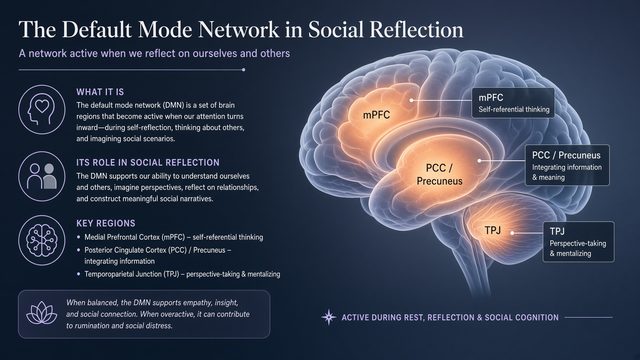
- Brain circuits. Studies suggest alterations in the amygdala, prefrontal cortex and hippocampus, which are involved in threat detection, emotion regulation and memory.
- Inflammation and immune function. Higher levels of inflammatory markers are associated with ACEs.
- Epigenetic changes. Chemical modifications to how genes are regulated may be influenced by early stress, though research is ongoing.
- Behavior. Adversity may increase the likelihood of coping through behaviors such as smoking or substance use, which carry their own health risks.
Associated outcomes
Higher ACE exposure is linked with greater risk of depression, anxiety, post-traumatic stress, substance use, heart disease, diabetes, obesity, chronic pain and difficulties with attention and learning. Risks are statistical and apply to groups. Many people with high ACE scores are healthy and thriving.
Important cautions
- ACE scores are not a diagnosis and should not be used to predict an individual's future.
- The traditional ACE checklist is limited and does not capture the severity, timing or context of experiences or the protective factors that offset harm.
- Associations do not prove that ACEs alone cause later problems, since genetics and ongoing social conditions contribute.
Protective factors
Research on resilience highlights positive childhood experiences that counteract adversity, including:
- A caring adult who is consistently present
- Feeling safe and having a sense of belonging at school and in the community
- Opportunities to participate in activities
- Supportive friendships
- Stable routines and predictable family traditions
Studies suggest that adults who experienced both ACEs and many positive childhood experiences have substantially better mental health than those with ACEs alone.
What helps
- Trauma-informed care, which asks "what happened to you?" instead of "what is wrong with you?"
- Evidence-based therapies, such as trauma-focused cognitive behavioral therapy for children and adults
- Parenting support programs and home visiting
- Policies that reduce poverty, violence and housing instability
- Screening and referral in pediatric settings, though experts are debating how best to do so without stigma
If this affects you
If you are an adult dealing with the effects of childhood adversity, you are not alone, and treatment can help. Talk to a mental health professional with experience in trauma. If you are in crisis, call or text 988 in the United States.
Further reading from authoritative sources
- National Institute of Mental Health (NIMH)
- National Institute of Neurological Disorders and Stroke (NINDS)
This article is educational and does not replace advice from a licensed clinician. See the medical disclaimer. Looking for specialist care? Browse the neurology clinic directory.