The Science of Grandparenting and Brain Health

Grandparents play important roles in families, offering care, wisdom and love. Research suggests that grandparenting can benefit both generations, with some caveats.
Cognitive and emotional benefits for grandparents
A study using the Berlin Aging Study led by Sonja Hilbrand and colleagues found that grandparents who provided occasional childcare had lower mortality, and an Australian study from the Household, Income and Labour Dynamics survey by Cyrille Rachel Burn and Peter Szoeke reported that grandmothers who babysat one day a week had better scores on some memory and cognition tests than those who did not look after grandchildren or those caring for them five days a week. In a study by Flavia Arpino and Valeria Bordone in Europe, grandparents who provided care had better verbal fluency and memory scores. Not all studies agree, and healthier, more active people may be more likely to babysit.
Why it may help
- Social engagement and purpose: feeling needed and connected supports mood and cognition.
- Mental stimulation: keeping up with children's questions, games and technology engages the brain.
- Physical activity: playing and walking with children.
- Emotional rewards: warmth and joy reduce stress and loneliness.
- Legacy and meaning: sharing stories and traditions.

Benefits for children
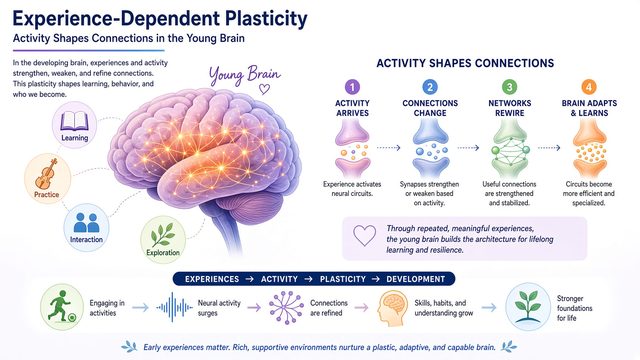
Grandparents can provide extra attention, cultural continuity and stability. Studies show that close grandparent relationships are linked to better emotional adjustment and fewer behavior problems in grandchildren, particularly during family stress. The grandmother hypothesis in evolutionary biology proposes that long post-reproductive lives evolved partly because grandmothers helped feed and raise offspring, improving survival of grandchildren.
Risks and limits
Intensive, unpaid caregiving, particularly for grandparents who are raising grandchildren because parents are absent, can create fatigue, financial strain, depression and health problems. Grandfamilies, as they are called, need practical help, respite and legal and financial support. Grandparents with their own health limitations should not feel obligated to give more than they can.
Long-distance grandparenting
Video calls, shared reading, letters, games and visits help maintain bonds. Technology offers ways for grandparents and grandchildren to share activities.
Tips for grandparents
- Agree on roles and rules with parents
- Set boundaries on time and tasks
- Enjoy the relationship, and focus on play, stories and shared interests
- Stay active, physically and mentally
- Look after your health and ask for help when needed
- Learn about modern child safety such as car seats and safe sleep
- Share family history
Cultural differences
In many cultures, multigenerational households and shared childcare are the norm, and grandparents are central to family life. Studies across countries show that benefits depend on how much choice grandparents have and on support from the rest of the family.
Making the most of time together
Bake, garden, read aloud, play games or tell family stories. Shared activities provide gentle exercise and cognitive stimulation, and they create memories that last for both generations.
Takeaway
Grandparenting at a comfortable level is good for the heart and the mind. Keep it joyful, and balance it with your own needs.
Further reading from authoritative sources
- National Institute of Mental Health (NIMH)
- National Institute of Neurological Disorders and Stroke (NINDS)
This article is educational and does not replace advice from a licensed clinician. See the medical disclaimer. Looking for specialist care? Browse the neurology clinic directory.