Heart Rate Variability and Longevity
Your heart does not beat like a metronome. The tiny variations in time between beats reflect how well your nervous system adapts to demands. This heart rate variability, or HRV, has been studied as a marker of resilience, aging and long-term health.
What HRV is
HRV is measured from the intervals between heartbeats. High-frequency variation is mainly driven by the vagus nerve and breathing, and slower patterns reflect blood pressure control, circadian and other influences. The brain, through the central autonomic network, including the prefrontal cortex, insula, amygdala and brainstem, regulates this balance between sympathetic arousal and parasympathetic calm. This is the basis of the neurovisceral integration model proposed by Julian Thayer and Richard Lane.
HRV, aging and health
- Age: HRV declines with age, particularly from young adulthood on, and tends to be lower in older adults.
- Mortality and disease: studies including the Framingham Heart Study found that lower HRV predicted cardiovascular events and mortality. Low HRV is associated with hypertension, diabetes, heart failure, depression and anxiety, and it predicts higher risk after heart attack.
- Cognition: lower HRV has been associated with poorer executive function and attention in some studies and with higher risk of cognitive decline, though results vary and may reflect shared causes such as vascular disease.
- Stress and recovery: chronic stress, poor sleep, illness, alcohol and overtraining tend to lower HRV in the short term.
- Fitness: regular aerobic exercise is associated with higher resting HRV.

How to read HRV
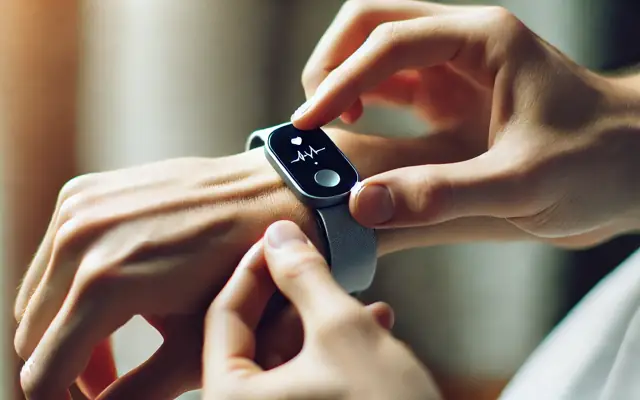
Different devices measure HRV with different methods, such as RMSSD and SDNN, and values vary widely between people, so comparisons across individuals are not meaningful. Trends within your own readings under similar conditions are more useful, and single readings fluctuate with sleep, hydration, caffeine, alcohol, illness and measurement quality. HRV on consumer wearables is a useful but imperfect estimate, and it is not a diagnostic test.
Ways to support healthy HRV
- Exercise regularly, including aerobic activity and some strength work, and allow recovery.
- Sleep consistently and enough.
- Manage stress: mindfulness, relaxation and social support.
- Practice slow breathing or HRV biofeedback.
- Limit alcohol, quit smoking and keep a healthy weight.
- Treat sleep apnea, hypertension and other conditions.
- Eat a balanced diet and stay hydrated.
- Review medications with your doctor, since some affect HRV.
Cautions
Do not become anxious about daily numbers. If you have palpitations, fainting, chest pain or irregular rhythms, see a doctor, and note that conditions such as atrial fibrillation make HRV measurements unreliable.
HRV biofeedback and longevity
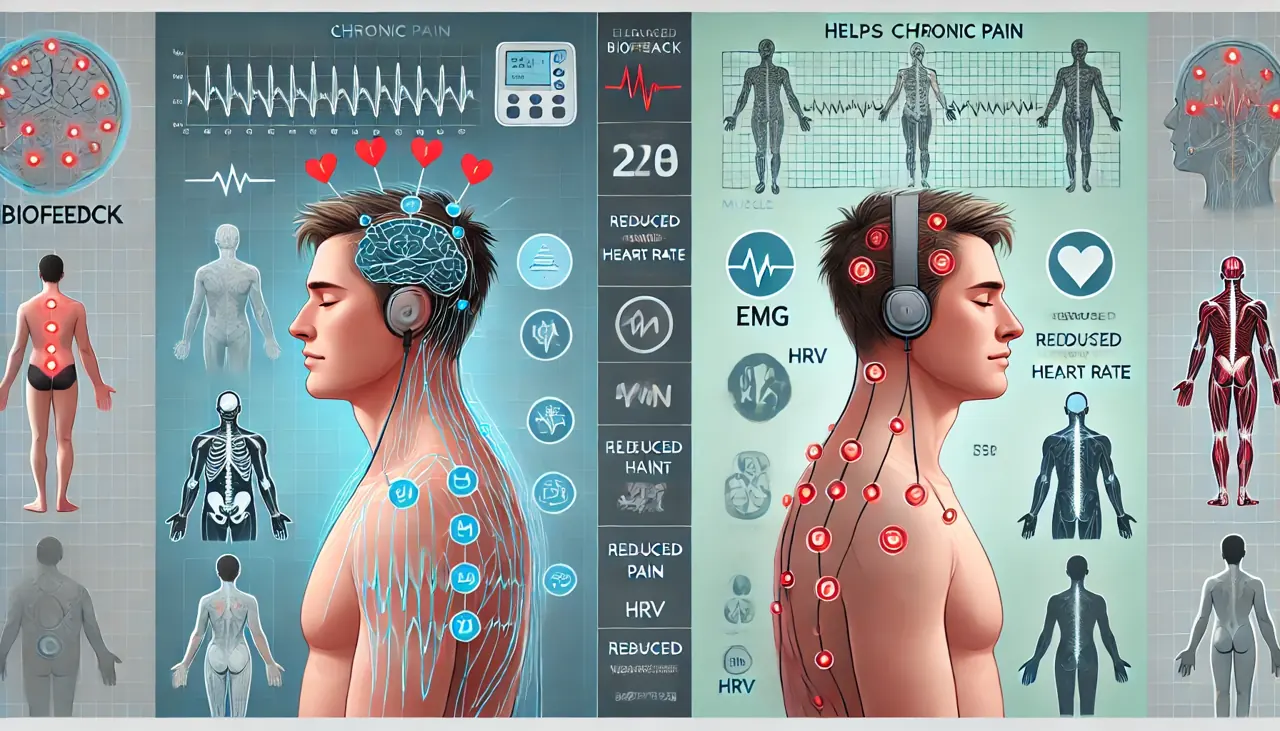
Resonance breathing practice can raise HRV and improve baroreflex function in the short term, and may reduce blood pressure and anxiety. Whether this translates into longer life has not been shown in trials, so the practical value lies in stress reduction and symptom relief. Using it with exercise, good sleep and medical care makes sense for most people.
Takeaway
HRV is a window into how flexibly your body handles stress. The habits that improve it also protect the heart and brain, so focus on the habits and use the number as a gentle guide.
Further reading from authoritative sources
- National Institute on Aging (NIA)
- National Institute of Neurological Disorders and Stroke (NINDS)
- National Center for Complementary and Integrative Health (NCCIH)
This article is educational and does not replace advice from a licensed clinician. See the medical disclaimer. Looking for specialist care? Browse the neurology clinic directory.