How the Social Brain Ages
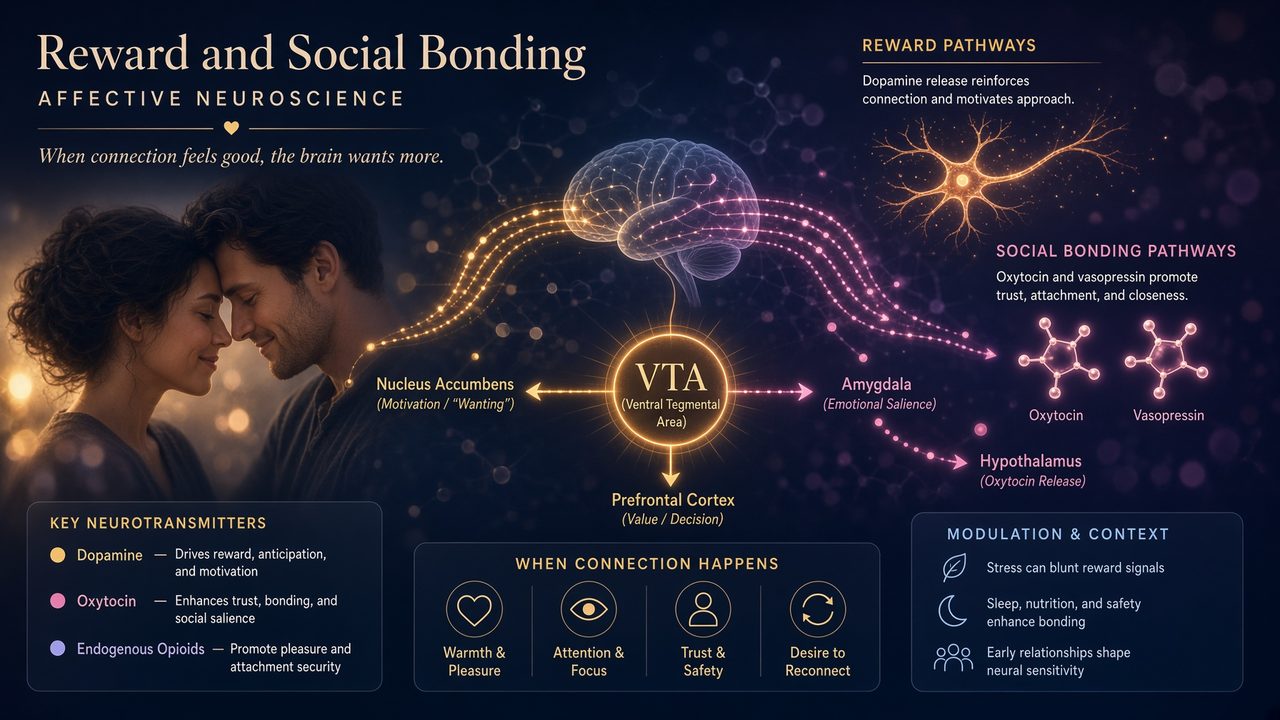
Humans are intensely social, and the brain networks that read faces, infer intentions and regulate emotions in social settings continue to change throughout life. The picture in later life is more mixed, and often more positive, than the stereotype of decline suggests.
The social brain network
Regions including the medial prefrontal cortex, temporoparietal junction, superior temporal sulcus, amygdala, insula and anterior cingulate cortex support social cognition. These areas are involved in recognizing emotions, taking others' perspectives, empathy and trust. Many of them are also affected early in conditions such as frontotemporal dementia, which is why personality and social behavior changes can be an early sign.
What changes with age
- Emotion recognition: older adults on average are somewhat less accurate at identifying certain negative emotions such as fear, anger and sadness in faces and voices, and this may reflect changes in frontal and temporal regions.
- Theory of mind: performance on complex tasks of understanding others' beliefs may decline, particularly for demanding tasks that tax working memory, though everyday social understanding often stays strong, helped by life experience.
- Empathy: affective empathy, feeling with others, tends to remain stable or increase, while some forms of cognitive empathy that demand more executive control may decline.
- The positivity effect: Laura Carstensen's socioemotional selectivity theory proposes that as people sense that time is limited, they prioritize emotionally meaningful goals. Studies show that older adults attend to and remember positive information more than negative, and report greater emotional stability and wellbeing on average.
- Trust and vulnerability: older adults may be more trusting, and some studies suggest increased vulnerability to scams, which makes education and safeguards important.
- Social networks: networks tend to shrink in number but remain strong in close relationships. Quality tends to matter more than quantity.
- Dementia and social cognition: social behavior can be affected in Alzheimer's, frontotemporal and Lewy body dementia.
Why social engagement matters
Strong social ties are associated with lower risk of dementia, depression, heart disease and early death. The Harvard Study of Adult Development found that the quality of relationships predicted health and longevity better than cholesterol levels or wealth. Social interaction provides cognitive stimulation, emotional support, reduced stress and encouragement of healthy habits.
Ways to support the social brain
- Maintain close ties with family and friends through regular calls, visits and shared activities.
- Join groups: clubs, faith communities, classes, sports and volunteer programs.
- Intergenerational activities: mentoring, grandparenting and community projects.
- Use technology for video calls and messaging.
- Treat hearing and vision loss, since sensory problems limit conversation.
- Stay alert to scams: be cautious about unsolicited calls, requests for money and pressure.
- Seek help for loneliness, such as senior centers, befriending programs and counseling.
- Watch for changes: unusual behavior, loss of empathy or inappropriate social conduct deserve medical evaluation.
Takeaway
The social brain stays adaptive across life. Prioritizing close, meaningful connections is one of the most reliable ways to support wellbeing and cognition in later years.
Further reading from authoritative sources
This article is educational and does not replace advice from a licensed clinician. See the medical disclaimer. Looking for specialist care? Browse the neurology clinic directory.