How to Keep Your Brain Sharp: Evidence-Based Tips
Advertisements promise quick fixes for sharper thinking, but the best evidence points to a handful of unglamorous habits. This guide separates what is well supported from what is not.
What has the strongest support
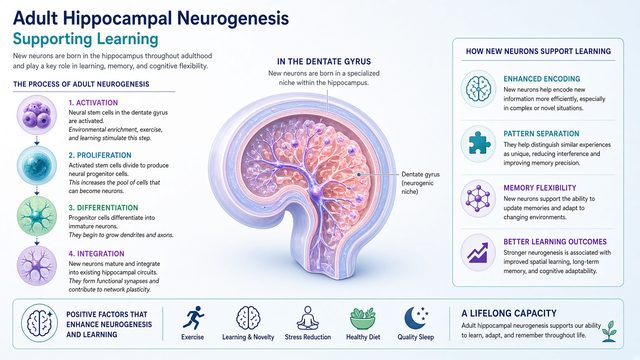
- Exercise: aerobic and resistance training improve brain blood flow and support memory, executive function and mood. Aim for 150 minutes of moderate activity per week plus strength work.
- Control blood pressure, cholesterol and blood sugar: vascular health is brain health. Midlife hypertension is among the most important modifiable risks.
- Sleep: most adults need seven to nine hours. Treat sleep apnea and chronic insomnia.
- Healthy diet: Mediterranean and MIND patterns are associated with slower decline. Limit ultra-processed foods and excess alcohol.
- Don't smoke.
- Hearing and vision care: use hearing aids and glasses as needed.
- Social connection: stay engaged with others.
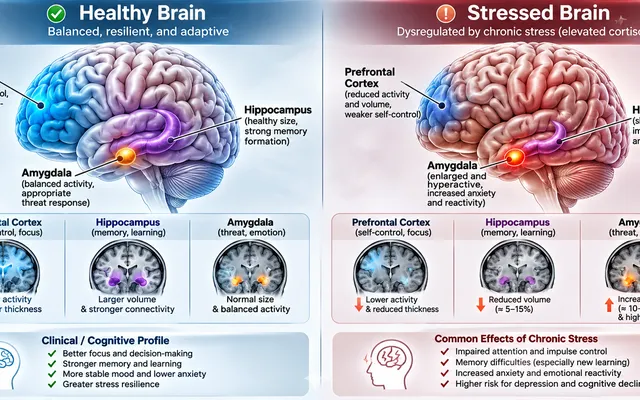
- Manage stress and depression: chronic stress and untreated depression affect cognition.
- Protect your head: wear helmets, use seat belts and prevent falls.
- Learn new things: challenge yourself with new skills.
What has some, but weaker, support
- Cognitive training: specific training improves specific skills, with limited transfer. The ACTIVE trial offers the best evidence for processing speed training.
- Mindfulness and meditation: help with stress and attention, with early evidence for cognitive benefits.
- Multivitamin: the COSMOS-Mind trial suggested a small benefit in older adults.
- Cocoa flavanols, coffee and tea: associated with benefits in observational studies, with modest or mixed trial evidence.

What has little or no support
- Most supplements: ginkgo, vitamin E, omega-3 supplements and others have not shown clear prevention in large trials.
- Brain games as a cure-all.
- "Detox" products and unproven brain boosters, and prescription stimulants for healthy people.
- Expensive consumer brain scans.
A practical weekly plan
- Move: brisk walking or cycling most days, strength training twice weekly.
- Eat: vegetables, fruit, whole grains, fish, nuts and olive oil, with limited processed foods.
- Sleep: consistent times, a dark cool room, no late caffeine.
- Connect: at least a few meaningful social contacts weekly.
- Learn: one new challenging activity, practiced several hours weekly.
- Check: blood pressure, hearing, vision, and discuss medications and mood with your doctor.
- Relax: short daily stress management such as slow breathing.
When to get checked
See a doctor if memory problems affect daily life, if you or others notice changes in personality or judgment, if you get lost in familiar places, or if you have trouble managing money or medications.
Small steps that add up
If the list feels long, choose one habit this week, such as a daily walk, and add another next month. Consistency matters more than intensity. Tracking progress in a notebook or app can help, and doing activities with a friend improves follow-through. Revisit your plan every few months and adjust as life changes.
Common myths
You do not use only ten percent of your brain, memory lapses are not always a sign of dementia, and it is not too late to start. Everyone forgets names or keys sometimes, so the question is whether lapses are new, worsening or interfering with daily life.
Takeaway
There is no magic bullet, but a set of ordinary habits, practiced consistently, offers the best protection. Start with one or two and build from there.
Further reading from authoritative sources
This article is educational and does not replace advice from a licensed clinician. See the medical disclaimer. Looking for specialist care? Browse the neurology clinic directory.