Music Therapy and Dementia Care
A person with advanced dementia may not recognize family members, yet may sing every word of a song from their youth. This striking phenomenon is the basis for music therapy in dementia care.
Why music reaches the dementia brain
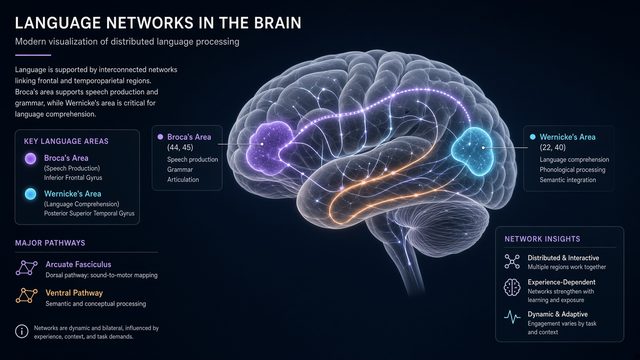
Music engages widespread networks including auditory cortex, motor regions, emotion circuits and reward pathways. Research by Petr Janata at the University of California, Davis, found that familiar music from a person's past activates the medial prefrontal cortex, an area linked to autobiographical memory that tends to be affected later in Alzheimer's. Musical memory also relies on procedural and emotional memory systems that are less damaged early in the disease. Rhythm helps with movement and speech, and shared singing creates social bonds.
What studies show
- Agitation and anxiety: systematic reviews, including Cochrane analyses, find that music-based interventions can reduce depression, agitation and behavioral symptoms in people with dementia, though evidence quality is variable.
- Mood and quality of life: individualized playlists, as studied in the Music & Memory program, are associated with improved mood and reduced antipsychotic use in some care homes, though rigorous trials are mixed.
- Cognition: small studies suggest temporary improvements in attention, autobiographical recall and verbal fluency. Evidence for lasting memory improvement is limited.
- Caregivers: shared music activities can strengthen relationships and reduce caregiver distress.
- Singing groups: the SingWell project and others report social and wellbeing benefits.
- Cautions: not all music is soothing, and loud or unfamiliar music can agitate. Preferences are personal.

Active and receptive approaches
- Receptive: listening to selected recordings, ideally personalized.
- Active: singing, playing simple instruments, dancing, movement to music.
- Therapeutic: board-certified music therapists design sessions with goals, such as reducing agitation at bedtime or improving communication.
Using music at home
- Find the person's music: songs from age 15 to 25 often carry the strongest memories. Ask family, or look through old records.
- Create a playlist and use headphones if helpful, but ensure comfort.
- Time it well: use calming music during meals, bathing or evenings, and upbeat music for activity.
- Reduce competing noise: turn off the television.
- Sing together, or hum, and encourage tapping or dancing.
- Watch reactions: stop if the person seems distressed.
- Include hymns or cultural music if meaningful.
- Ask professionals: music therapists can be found through the American Music Therapy Association.
Cautions and realistic goals
Music is not a cure, and responses vary widely. Some people become tearful when familiar songs bring back memories, which is not necessarily harmful but deserves comfort and attention. Hearing loss can limit enjoyment, so check hearing aids and volume. Measure success by moments of calm, connection or participation, and not by memory scores.
Who can help
Board-certified music therapists work in memory care, hospitals and home programs. Ask your care team about referrals, and check whether local senior centers, libraries or faith communities run singing groups or memory cafes.
Takeaway
Music offers a way to connect when words fail. Used thoughtfully, it can bring comfort, joy and moments of recognition to people with dementia and those who care for them.
Further reading from authoritative sources
This article is educational and does not replace advice from a licensed clinician. See the medical disclaimer. Looking for specialist care? Browse the neurology clinic directory.