Ethical Considerations in Neurofeedback

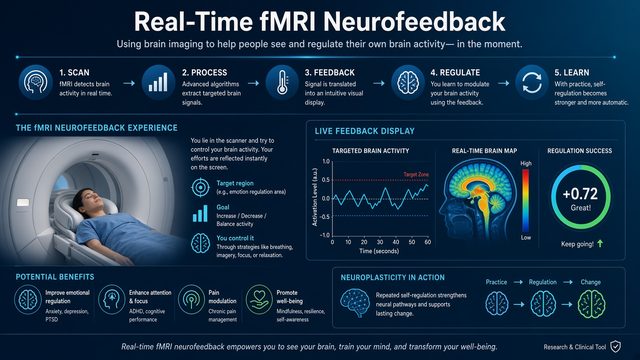
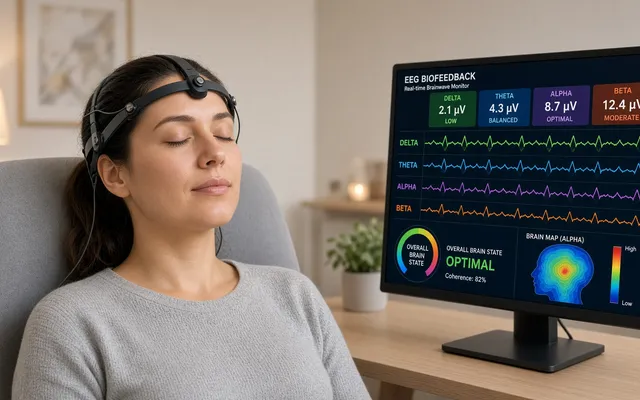
Neurofeedback is a form of biofeedback in which a person sees or hears a representation of their own brain activity, usually from EEG, and learns to modify it. It is offered for attention problems, anxiety, sleep and many other concerns. Because it is partly clinical, partly commercial and still being studied, it raises important ethical questions for both practitioners and consumers.
The evidence problem
Evidence varies by condition. Research on neurofeedback for ADHD has produced mixed results, particularly in trials with rigorous controls such as sham feedback, where benefits over placebo have been modest or unclear in some analyses. Evidence for other conditions, such as epilepsy, is more established for certain protocols, while for many uses, including depression, trauma, autism and cognitive enhancement, the research is early or inconsistent.
Ethical practice means telling people where the evidence is strong, where it is limited and where it is lacking. Overstating benefits can lead to wasted money, false hope and delayed access to effective treatment.
Marketing and claims
Red flags in marketing include:
- Promises to "cure" conditions
- Claims that treatment works for nearly everyone or for a long list of unrelated problems
- Testimonials presented as proof
- Guaranteed results
- Pressure to buy large prepaid packages
- Discouraging people from using medication or other care
Professional guidelines, including those of biofeedback and neurofeedback organizations, call for accurate claims and honest reporting of limitations. Consumers can ask for published research on the specific protocol being offered.

Informed consent
Before treatment, a person should receive clear information about:
- The purpose and expected benefits
- How many sessions are likely and total cost
- Evidence level and alternatives
- Possible side effects
- What data will be collected and how it will be used
- The right to stop at any time
Parents and guardians have a particular responsibility when children are involved, and children should be included in decisions as appropriate to their age.
Possible side effects
Neurofeedback is generally considered low risk, but people have reported fatigue, headaches, anxiety, irritability, sleep changes or temporary symptom worsening. Rarely, symptoms may be linked to poorly chosen protocols. Providers should monitor responses and adjust or stop treatment if problems occur.
Qualifications and scope
Neurofeedback is not regulated uniformly. Providers may include licensed psychologists, physicians, counselors, therapists and technicians, with a wide range of training. Ethical practice means working within one's competence and licensure, performing or arranging a proper assessment, screening for medical or psychiatric conditions that need other care and referring when appropriate. Certification from organizations such as the Biofeedback Certification International Alliance indicates training in standards, though it is not a guarantee of results.
Cost and access
Courses of neurofeedback can involve dozens of sessions and cost thousands of dollars, and insurance often does not cover it. Ethical providers are transparent about fees, set realistic goals, define how progress will be measured and provide a way to review or stop. Costs raise fairness issues, since people with fewer resources may be unable to access it, or may spend scarce funds on unproven treatment.
Brain data and privacy
Neurofeedback produces recordings of brain activity. This data may be sensitive. Consumers should ask:
- Who owns the recordings?
- How long are they stored?
- Are they shared with third parties, researchers or companies?
- Is identifiable information separated from the data?
- How is data secured?
Home devices and apps raise similar questions, and many collect data under consumer privacy terms rather than health privacy rules. Read the policies before using them.
Research ethics
Studies of neurofeedback face challenges, including designing credible sham conditions and protecting participants. Ethical research requires honest reporting of negative findings, transparency about conflicts of interest and fair participant consent. Clinicians who use unproven protocols should be clear that they are experimental.
Questions to ask a provider
1. What are your qualifications and credentials? 2. What evidence supports this approach for my situation? 3. How will we measure progress, and when will we reassess? 4. What are the risks and costs, including the total expected? 5. What happens to my data? 6. What will you do if it is not working? 7. How does this fit with my other care?
Putting it together
Neurofeedback may help some people, and research continues to refine where it works. Ethical care keeps the person's interests first: honest claims, careful assessment, transparent cost, protection of data and willingness to recommend other options. Discuss it with your physician, particularly if you are managing a medical or psychiatric condition.
Further reading from authoritative sources
- National Institute of Neurological Disorders and Stroke (NINDS)
- National Institute of Mental Health (NIMH)
- National Center for Complementary and Integrative Health (NCCIH)
This article is educational and does not replace advice from a licensed clinician. See the medical disclaimer. Looking for specialist care? Browse the neurology clinic directory.