Biofeedback for Anger Management: Cooling the Amygdala
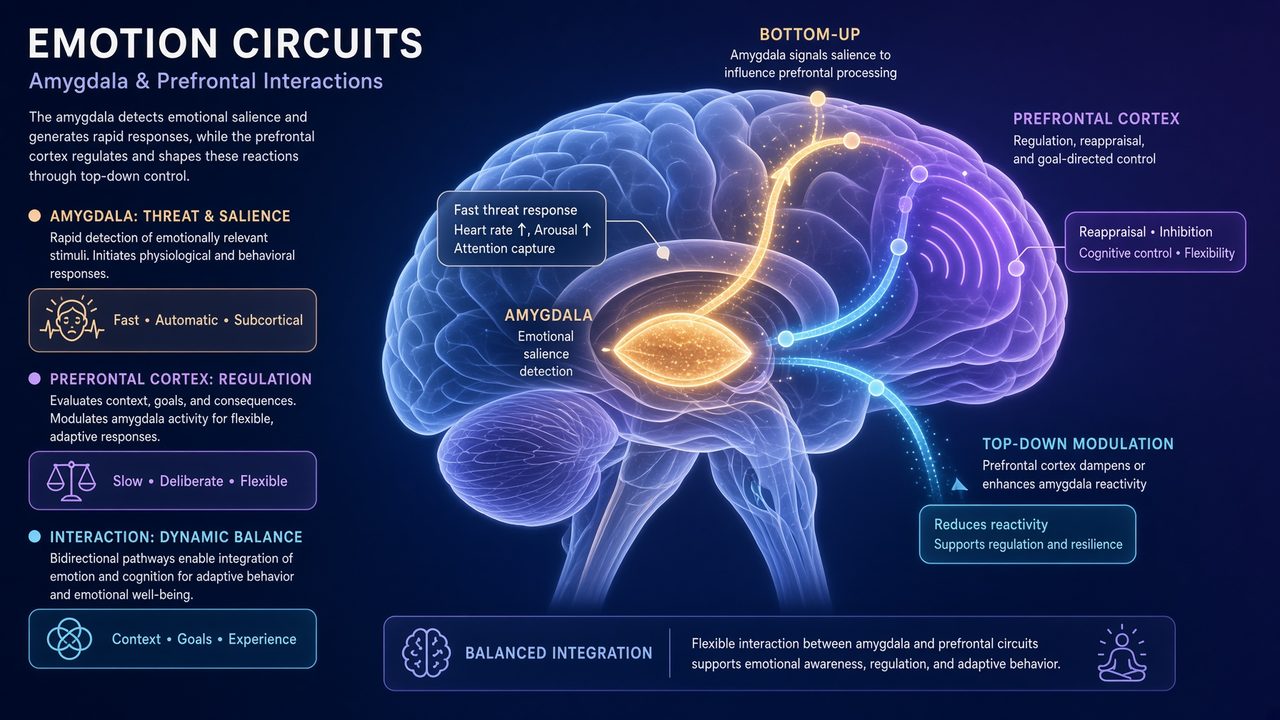
Anger starts in the body before it reaches words or actions: a racing heart, tight jaw, flushed face. Biofeedback teaches people to notice those signals earlier and bring arousal down, giving the prefrontal cortex time to take control.
The anger response in the body
When provoked, the amygdala and hypothalamus activate the sympathetic nervous system, raising heart rate and blood pressure, tensing muscles and increasing breathing rate. Heart rate variability drops. Without regulation, the prefrontal cortex has trouble inhibiting aggressive impulses. The window between trigger and reaction can be short, so learning to catch early signs is valuable.
How biofeedback helps
- Awareness: seeing heart rate, skin conductance or muscle tension rise when thinking about a trigger makes arousal concrete.
- Skill building: slow breathing and relaxation can be practiced with immediate feedback, demonstrating that you can influence your own physiology.
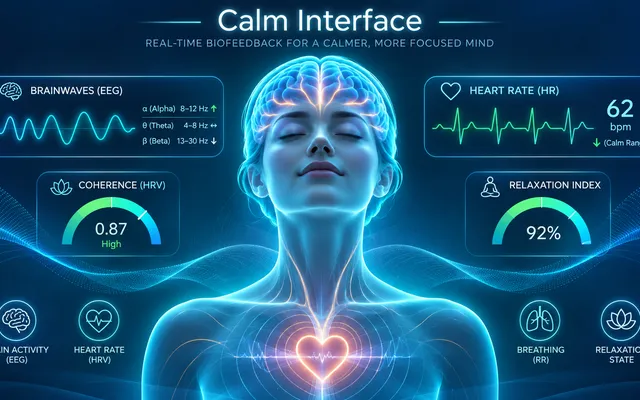
- Vagal tone: HRV biofeedback increases vagal activity, and higher resting HRV is associated with better emotion regulation and lower anger and aggression.
- Habit formation: repeated practice makes calming responses more automatic.
Types of biofeedback used
- HRV and resonance breathing: slow paced breathing to increase HRV.
- Respiration training: diaphragmatic breathing with feedback.
- EMG: monitors muscles such as the forehead, jaw and shoulders, which tense during anger.
- Skin conductance and temperature: reveal arousal.
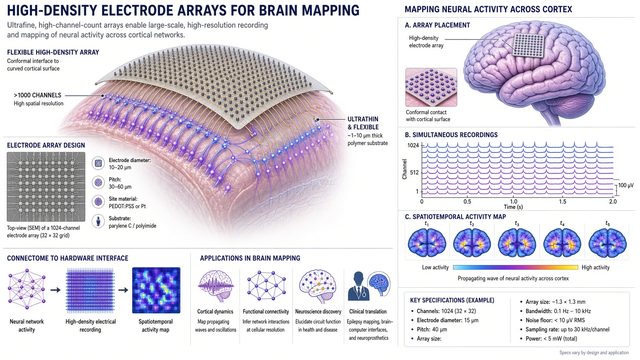
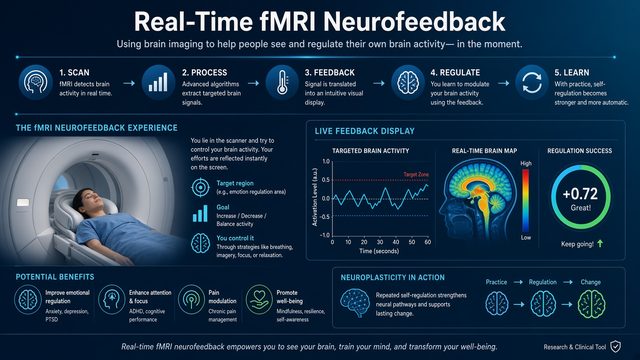
- Neurofeedback: some studies use EEG training, such as frontal alpha asymmetry, for emotional regulation, though evidence is limited.
- Game-based and wearable biofeedback: programs for children with anger problems use games that respond to calm breathing or heart rate. A study of the RAGE-Control game by Jason Bonnar and colleagues found that youth with anger and aggression improved with biofeedback video games.
Evidence
Research includes small trials and clinical programs. Studies in youth and adults show that HRV biofeedback and relaxation training reduce reported anger, aggression and physiological reactivity in some groups, including people with high trait anger and veterans. Biofeedback is usually combined with cognitive behavioral anger management, which has stronger evidence overall. Large trials are limited, so biofeedback should be viewed as a supportive tool.
A practical plan
1. Identify your early warning signs: tight chest, clenched fists, heat in the face. 2. Learn a breathing skill: inhale for four counts, exhale for six to eight. 3. Practice daily for 10 to 20 minutes, ideally with a sensor or app. 4. Practice under mild provocation: recall a mildly annoying event while using feedback to stay calm. 5. Use a time-out: leave the situation and cool down when arousal rises, and return when calm. 6. Add cognitive skills: reappraise, empathize, and communicate assertively. 7. Reduce triggers: sleep, alcohol, hunger and chronic stress. 8. Track progress: note frequency and intensity of anger episodes.
When to seek help
If anger leads to violence, threats, legal trouble, substance misuse or harm to relationships, seek professional help from a psychologist or counselor trained in anger management. If you worry about hurting yourself or others, contact emergency services. In the United States, 988 is available for crisis support.
Takeaway
Biofeedback gives anger a visible signal and trains the body to calm down. Combined with cognitive and communication skills, it helps make room for choice between feeling and acting.
Further reading from authoritative sources
- National Institute of Mental Health (NIMH)
- National Center for Complementary and Integrative Health (NCCIH)
This article is educational and does not replace advice from a licensed clinician. See the medical disclaimer. Looking for specialist care? Browse the neurology clinic directory.