Biofeedback for PTSD: Retraining the Stress Response
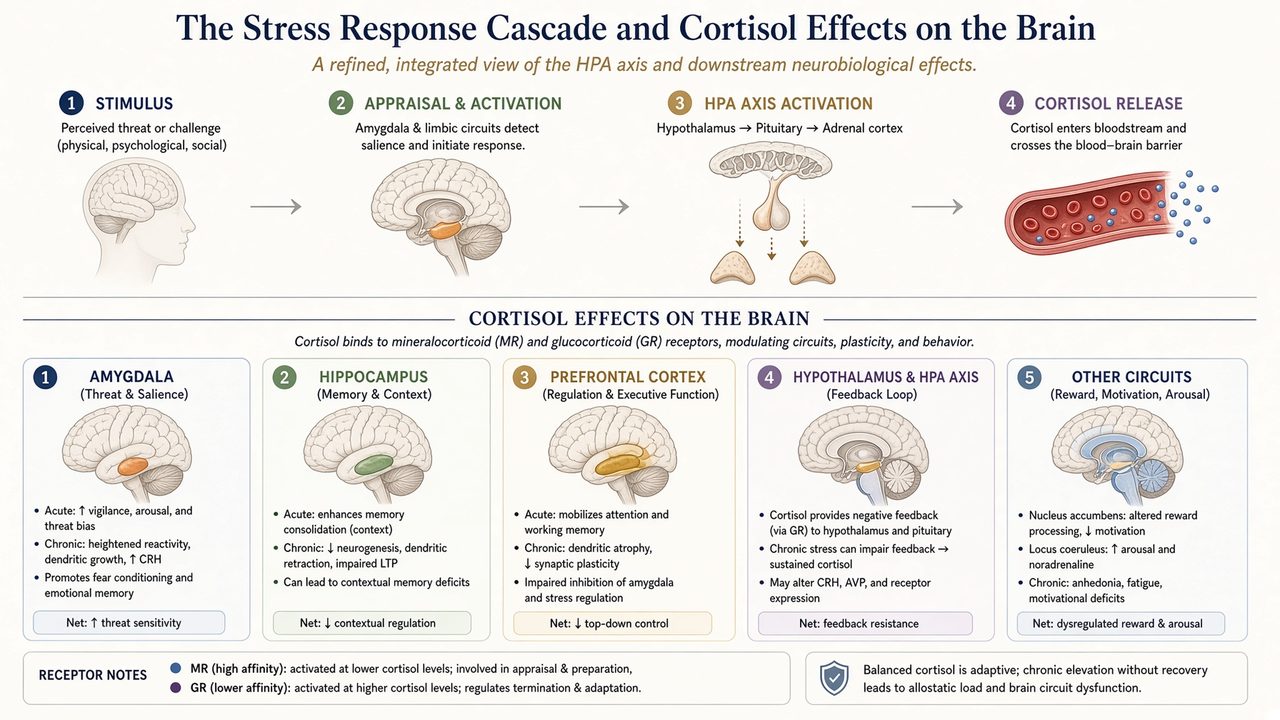
Post-traumatic stress disorder keeps the body in a state of alarm. Biofeedback gives people a window into their stress physiology so that they can practice settling it. It is not a stand-alone treatment for PTSD, but evidence suggests that it can be a useful complement.
The physiology of PTSD
PTSD is associated with sympathetic overactivity, reduced heart rate variability, heightened startle, sleep disruption and difficulty calming down after triggers. Reduced vagal tone is a consistent finding, suggesting that autonomic regulation is impaired.
Forms of biofeedback used
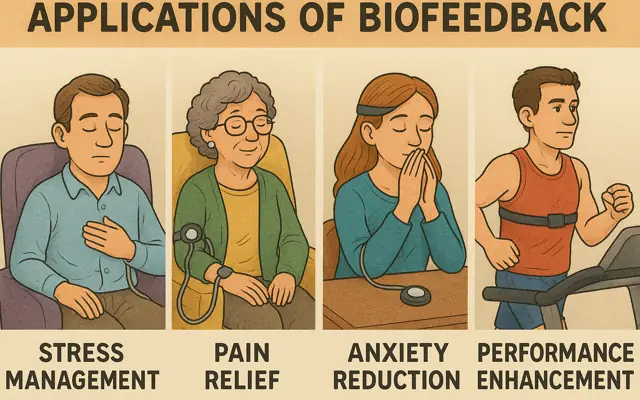
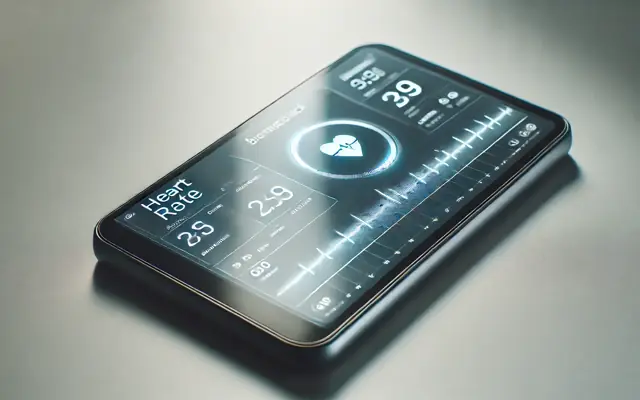
- HRV biofeedback (resonance frequency breathing): the person breathes slowly, around six breaths per minute, guided by a pacer while viewing heart rate oscillations. It increases HRV and baroreflex sensitivity. Small trials and pilot studies in veterans and civilians with PTSD show reductions in PTSD symptoms, arousal and anxiety, with effects of moderate size, though most studies have limited controls. A trial in Veterans by Maria Zucker and colleagues and others reported symptom improvement after HRV training.
- Respiratory biofeedback: capnometry-guided training, to correct over-breathing.
- Electromyography (EMG): muscle relaxation training.
- Electrodermal and thermal biofeedback: teach awareness of arousal.
- Neurofeedback: EEG alpha-theta training was used historically, with the Peniston protocol, and newer studies of alpha down-training and amygdala-targeted training. A randomized trial of neurofeedback in adults with PTSD by Ruth Lanius and colleagues found improvements in symptoms and changes in connectivity. Evidence remains preliminary.
- Wearable and game-based biofeedback: used in military and clinical programs.
What the evidence says
Reviews conclude that biofeedback is promising as an adjunct for reducing PTSD symptoms, particularly hyperarousal, and for improving sleep and emotional regulation. However, studies are small, protocols vary, and large randomized controlled trials are lacking. Biofeedback is not currently a first-line treatment in guidelines, which recommend trauma-focused psychotherapies and certain medications.
How it fits with therapy
- Preparing for trauma processing: learning regulation skills can help patients tolerate exposure and cognitive processing.
- During therapy: brief breathing skills help patients stay within a manageable window of arousal.
- After therapy: maintains gains and manages residual symptoms.
- Sleep and nightmares: relaxation training supports sleep.
Safety and practical points
- Choose a trauma-informed provider, ideally a licensed clinician with biofeedback training or certification (BCIA).
- Go at your own pace: some people find paying attention to body sensations or closing their eyes distressing. Providers can adapt with eyes-open practice and shorter sessions.
- Do not replace trauma-focused therapy or prescribed medication with biofeedback alone.
- Practice at home with a pacer or HRV app and chest strap, 10 to 20 minutes daily.
- Combine with other skills: grounding, exercise and social support.
- People with heart rhythm conditions, respiratory conditions or those on certain medications should consult a doctor first.
- Crisis support: in the United States, call or text 988, and for veterans, press 1 on the Veterans Crisis Line.
Takeaway
Biofeedback offers a practical way to retrain the body's stress response in PTSD. Used as a complement to trauma-focused treatment, it can help people feel safer in their own bodies.
Further reading from authoritative sources
- National Institute of Mental Health (NIMH)
- National Center for Complementary and Integrative Health (NCCIH)
This article is educational and does not replace advice from a licensed clinician. See the medical disclaimer. Looking for specialist care? Browse the neurology clinic directory.