Burnout and the Brain: Signs, Science, and Recovery
Burnout is more than being tired. It is a state of prolonged exhaustion, detachment and reduced effectiveness linked to chronic work stress, and research shows it is associated with measurable changes in brain and body function.
What burnout is
The World Health Organization's ICD-11 describes burnout as an occupational phenomenon, not a medical condition, resulting from chronic workplace stress that has not been successfully managed. It has three dimensions identified by Christina Maslach: exhaustion, cynicism or depersonalization, and reduced professional efficacy. It is common among health care workers, teachers, caregivers and other high-demand roles.
Burnout versus depression
They overlap, and burnout can lead to depression, but burnout is context-specific, linked to work, while depression is pervasive, often involving feelings of worthlessness and loss of pleasure across life. A clinician can help distinguish them.

Brain and body findings
- Amygdala: studies by Armita Golkar and colleagues found enlarged amygdala volume and altered connectivity with the prefrontal cortex in people with burnout, suggesting heightened emotional reactivity.
- Prefrontal cortex: studies by Sven Sandström, Ivanka Savic and others report thinning of medial prefrontal cortex and impairments in attention, working memory and executive function, which may partly recover over time.
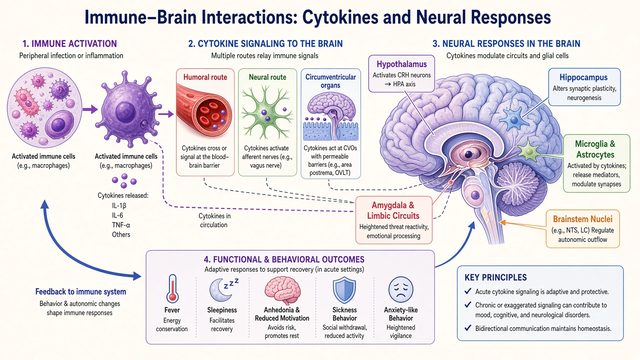
- Stress hormones: cortisol patterns may be altered, with some studies showing flattened daily rhythms.
- Sleep disruption is common.
- Inflammation and cardiovascular risk may rise with prolonged exhaustion.
- Reward processing: reduced motivation and pleasure from work.
Many of these studies are cross-sectional, so cause and effect are uncertain, and findings need replication.
Signs of burnout
- Persistent exhaustion that sleep does not fix
- Dread or irritability about work
- Cynicism, detachment from colleagues or clients
- Reduced performance and concentration
- Physical symptoms such as headaches, stomach upset, or frequent illness
- Withdrawal and loss of enjoyment outside work
Causes
Workload, lack of control, insufficient reward, breakdown of community, unfairness and value conflicts are major drivers, as Maslach and Michael Leiter describe. Individual factors such as perfectionism and difficulty setting boundaries play a role, but workplace conditions matter most.
Recovery
- Address the sources: reduce workload, clarify roles, increase autonomy, or change roles if possible. Talk with your manager or human resources.
- Rest and time off: proper breaks and vacations. Studies show that benefits of vacation fade quickly if work conditions remain the same.
- Protect sleep, and limit work contact outside hours.
- Exercise, which helps reduce stress and restore cognitive function.
- Boundaries: learn to say no and delegate.
- Social support: talk with trusted colleagues, friends or support groups.
- Mindfulness and relaxation: HRV biofeedback, slow breathing and mindfulness-based stress reduction can reduce stress symptoms.
- Restore meaning: reconnect with values and activities that bring joy.
- Therapy: cognitive behavioral therapy and stress management programs show benefits.
- Medical evaluation: to check for depression, anxiety, thyroid problems or sleep disorders.
Recovery timeline
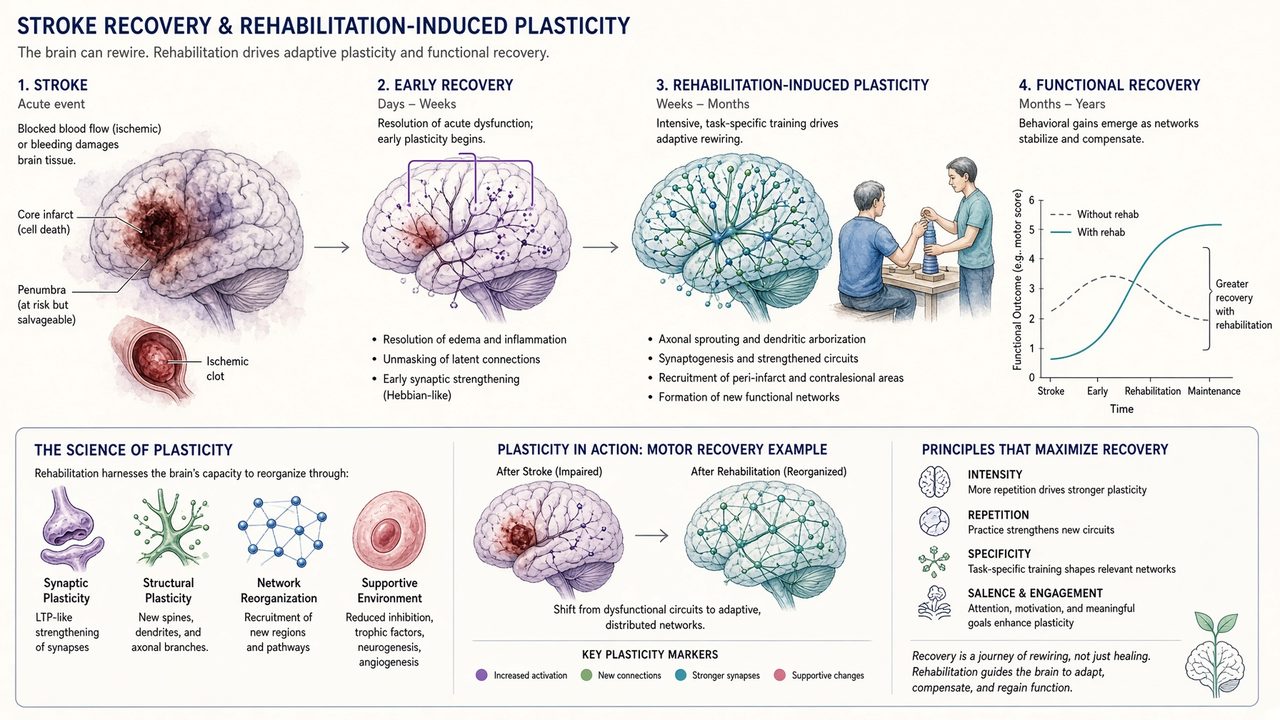
Recovery can take months. Cognitive symptoms may improve within a year in studies of those who received treatment, though some changes may persist longer.
For employers
Burnout is addressed more effectively through organizational change: manageable workloads, fairness, recognition, flexibility and supportive leadership, rather than only offering wellness programs.
Takeaway
Burnout is a sign that demands have outstripped resources for too long. Recovery needs both rest for the brain and real changes to the conditions that caused it.
Further reading from authoritative sources
- National Institute of Mental Health (NIMH)
- National Center for Complementary and Integrative Health (NCCIH)
This article is educational and does not replace advice from a licensed clinician. See the medical disclaimer. Looking for specialist care? Browse the neurology clinic directory.