How Gratitude Affects the Brain
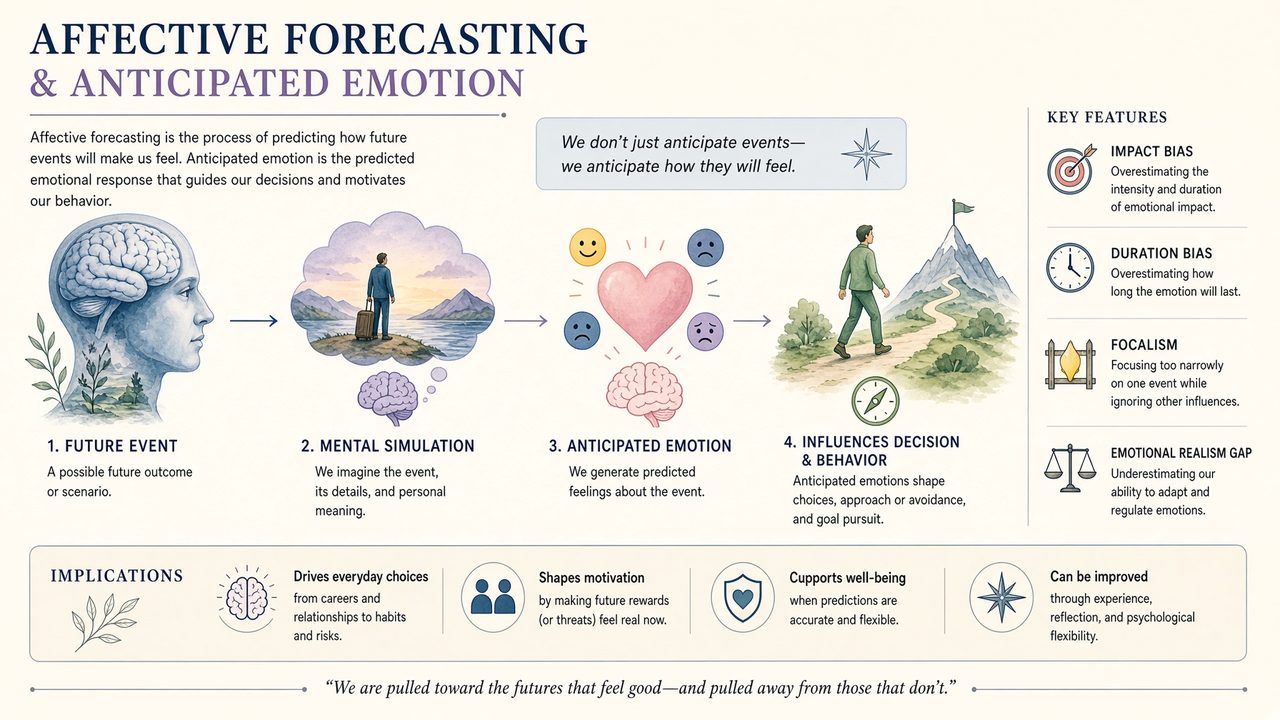
Gratitude is the recognition of something good and the acknowledgment that its source lies at least partly outside oneself. Researchers have studied it as a trait, a mood and a practice, finding associations with well-being, though the science is still maturing.
What happens in the brain
Studies using functional MRI have found that feeling grateful engages the medial prefrontal cortex, which is involved in understanding others' intentions, and parts of the reward system including the striatum and ventral tegmental area. In one study, people who wrote gratitude letters showed differences in medial prefrontal activity months later when later receiving a benefit, though the design and sample were small and results should be treated with caution.
Gratitude is thought to involve a combination of social cognition, reward and moral evaluation. It may also reduce activity linked with stress and rumination.
Chemistry
Researchers have speculated about dopamine and serotonin involvement, based on links between reward and mood. Direct evidence in people is limited, and the popular claim that gratitude "boosts serotonin" is not firmly established.

What research shows
- Mood and life satisfaction. Randomized trials, such as those by Robert Emmons and Michael McCullough, found that people who kept weekly gratitude lists reported greater optimism and well-being than comparison groups.
- Depression and anxiety symptoms. Meta-analyses show small to moderate improvements, though effects are smaller when gratitude interventions are compared with other active treatments.
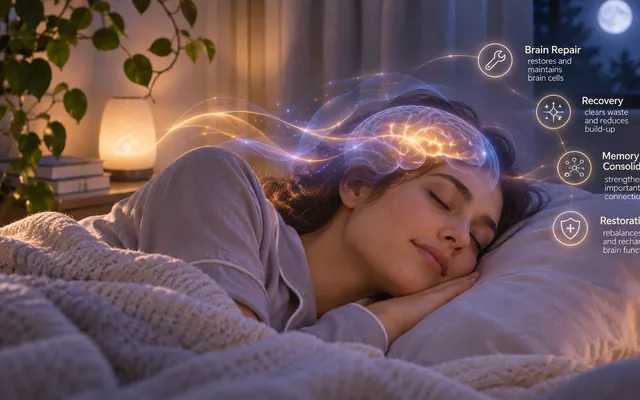
- Sleep. Gratitude before bed has been associated with better sleep quality in some studies.
- Relationships. Expressing thanks is linked to stronger bonds and prosocial behavior.
- Physical health. Some studies link gratitude with healthier behavior and lower inflammatory markers, but evidence is preliminary.
Quality of evidence varies. Many studies rely on self-reports, and publication bias may inflate effects.
Gratitude practices to try
- Gratitude journal. Write three to five specific things you appreciate, once or twice a week. Specificity and variety matter, and doing it daily may become routine and lose effect.
- Gratitude letter or visit. Write a letter to someone who helped you, and ideally read it to them.
- Mental subtraction. Imagine life without a good thing to appreciate it more.
- Savoring. Pause to notice and enjoy positive moments.
- Thank people in the moment.
Cautions
Gratitude is not a cure for clinical depression, trauma or injustice. Forced gratitude can feel invalidating, especially for people facing serious hardships. Pressure to "just be grateful" may backfire. Some people experience guilt or indebtedness. It is best as a complement to, not a replacement for, professional care when needed.
Why it may work
Gratitude shifts attention toward positive aspects of experience, which counters the brain's negativity bias, the tendency to dwell on threats and losses. It also strengthens social ties, one of the strongest predictors of well-being.
Making it a habit
Link it to an existing routine, such as the end of the workday or dinner. Keep it brief. Vary the focus. Share with family or friends.
The bottom line
Gratitude is a low-cost practice with a modest but real evidence base. Treat it as one tool for well-being alongside sleep, exercise, relationships and, where needed, therapy.
Further reading from authoritative sources
- National Institute of Mental Health (NIMH)
- National Center for Complementary and Integrative Health (NCCIH)
This article is educational and does not replace advice from a licensed clinician. See the medical disclaimer. Looking for specialist care? Browse the neurology clinic directory.