How the Brain Heals After Trauma

Healing after trauma is possible, and brain science helps explain why. Recovery involves the same plasticity that allows learning, supported by safety, sleep, connection and, when needed, specialized therapy.
Natural recovery
Most people exposed to trauma experience distress in the first days and weeks, such as nightmares, anxiety or numbness, and the majority recover without developing PTSD. Research on trajectories, such as that of George Bonanno, finds that resilience is the most common outcome. Natural recovery involves gradually reduced arousal, memories becoming less intrusive, and a return to normal routines.
What heals
- Safety: a safe environment allows threat systems to stand down. Ongoing danger, such as abuse or unstable housing, must be addressed.
- Social support: supportive relationships buffer stress, partly through oxytocin and the regulatory effect of trusted people. Isolation increases risk of persistent symptoms.
- Sleep: REM and non-REM sleep help process emotional memories. Treating insomnia and nightmares improves recovery.
- Routine and activity: structure restores a sense of control.
- Exercise: reduces arousal, improves mood and promotes neuroplasticity.
- Reducing alcohol and drug use, which interfere with processing and increase risk.
- Time: consolidation of memories into a more integrated form occurs over weeks and months.

Brain mechanisms of healing
- Extinction learning and safety learning, supported by prefrontal-amygdala circuits.
- Reconsolidation: when a memory is recalled, it becomes temporarily malleable and can be updated with new information, which is a possible mechanism behind therapies that use memory retrieval in a safe setting.
- Narrative integration: the hippocampus and prefrontal cortex link sensory fragments into a coherent autobiographical story with a beginning and end.
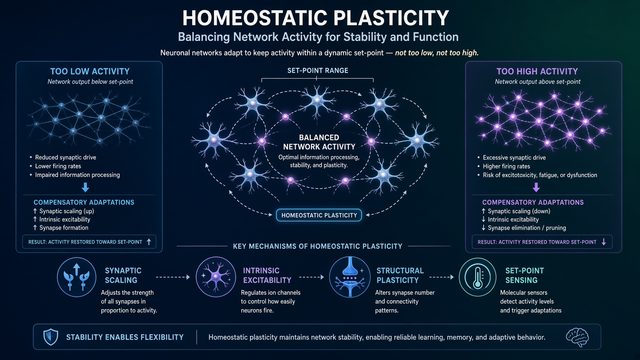
- Neuroplasticity: therapy and healthy experiences strengthen new circuits. Imaging studies show reduced amygdala responses and increased prefrontal activity after successful trauma-focused treatment.
- Regulation of the autonomic nervous system: vagal tone improves with relaxation practices.
Professional help
Trauma-focused therapies such as prolonged exposure, cognitive processing therapy, EMDR and trauma-focused CBT are well supported. Therapists may also use skills-based approaches for emotion regulation and phased models for complex trauma, such as childhood abuse. Medication can help with symptoms, and a clinician can advise.
Self-help and body-based practices
- Grounding: name five things you see, four you feel, and so on, to return to the present.
- Slow breathing and relaxation
- Mindful movement: yoga with trauma-sensitive approaches has shown benefit in some trials.
- Journaling, with caution: writing about trauma can help some, and for others may be too intense without support.
- Creative expression such as art or music
- Time in nature and pleasant activities
- Peer support groups
- Pacing: avoid forcing yourself to relive trauma before you are ready.
Signs to seek help
Seek care if symptoms such as flashbacks, avoidance, severe anxiety, depression, substance use or thoughts of self-harm persist beyond a few weeks or worsen. Help works even years after the event. In an emergency, contact emergency services or the 988 line in the United States.
Takeaway
Healing from trauma is a process of rebuilding safety and meaning. With support, the brain can reorganize so that the past is remembered but no longer controls the present.
Further reading from authoritative sources
- National Institute of Mental Health (NIMH)
- National Center for Complementary and Integrative Health (NCCIH)
This article is educational and does not replace advice from a licensed clinician. See the medical disclaimer. Looking for specialist care? Browse the neurology clinic directory.