Social Connection and Brain Health
Humans are intensely social, and the brain evolved to thrive on connection. Evidence from large population studies suggests that people with richer social lives tend to have better cognitive health and longer lives, though untangling cause and effect is a challenge.
What the research shows
- Dementia risk. The 2020 Lancet Commission on dementia listed social isolation among modifiable risk factors, particularly in later life. Studies find that frequent social contact is associated with a lower risk of cognitive decline.
- Cognitive function. Older adults with larger or more active social networks tend to perform better on memory and thinking tests.
- Mortality. A well-known meta-analysis of studies by Julianne Holt-Lunstad found stronger social relationships associated with greater likelihood of survival.
- Mood. Social support is associated with lower rates of depression and anxiety.
These are mostly observational studies. People in early cognitive decline may withdraw socially, so isolation can be both a cause and a symptom. Randomized trials of social interventions on cognition have given mixed results.
How connection may protect the brain
Cognitive stimulation
Conversation requires attention, memory, language and perspective-taking. This mental workout may build cognitive reserve, the brain's resilience against damage.
Stress buffering
Supportive relationships reduce stress hormone responses. Chronic stress can harm the hippocampus and prefrontal cortex.
Healthy behaviors
Friends and family encourage physical activity, medical care and good habits.
Emotional well-being
Meaningful ties provide purpose and belonging, which protect against depression.
Neurochemistry
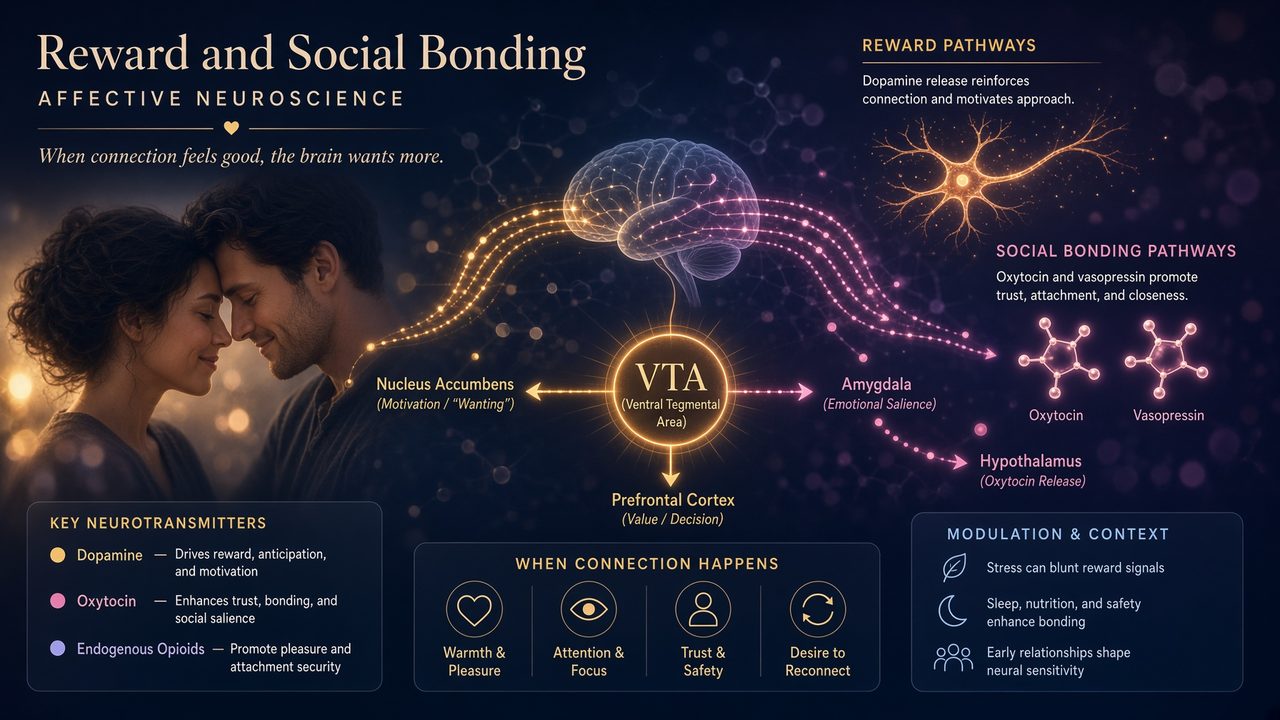
Oxytocin, dopamine and endogenous opioids are involved in bonding and reward, though their precise roles in humans are still being studied.

What the brain does socially
The "social brain" includes the medial prefrontal cortex, temporoparietal junction, superior temporal sulcus, amygdala and insula. These regions help us read faces, infer others' thoughts and feel empathy. Social interaction engages them continuously.
Types of engagement that count
- Time with family and friends
- Volunteering and mentoring
- Group exercise or classes
- Faith communities and clubs
- Intergenerational programs
- Working or participating in community life
- Meaningful conversations, in person or by video
Building connection
1. Schedule it. Put regular calls or meetups on the calendar. 2. Start small. Greeting neighbors, attending a class or joining a walking group. 3. Do things together, since shared activities ease conversation. 4. Be a good listener and reach out first. 5. Nurture a mix of close and casual ties. 6. Address barriers, like hearing loss, which is linked to isolation and cognitive decline, and transportation. 7. Use technology for those far away.
For caregivers and those facing illness
Caregivers are at risk of isolation. Respite care, support groups and community resources can help. Memory care programs and social clubs designed for people with dementia offer connection while supporting their dignity.
A balanced view
Introverts do not need constant company. What counts is feeling connected and supported, not the number of contacts. If you are struggling with isolation or low mood, reach out to a healthcare provider or counselor.
Further reading from authoritative sources
- National Institute of Mental Health (NIMH)
- National Center for Complementary and Integrative Health (NCCIH)
This article is educational and does not replace advice from a licensed clinician. See the medical disclaimer. Looking for specialist care? Browse the neurology clinic directory.