The Neuroscience of Trauma and PTSD
Most people experience a potentially traumatic event during their lives, but only a minority develop post-traumatic stress disorder (PTSD). Brain research has helped clarify why trauma memories intrude, why the body stays on alert, and how treatments work.
What PTSD is
PTSD can develop after exposure to actual or threatened death, serious injury or sexual violence. Symptoms last more than a month and include intrusive memories or flashbacks, avoidance, negative changes in mood and thinking, and heightened arousal such as hypervigilance, irritability and sleep disturbance. Lifetime prevalence is around 6 to 8 percent in the United States, and higher in women and in groups exposed to repeated violence or combat.
Brain changes associated with PTSD
- Amygdala hyperreactivity: imaging studies show heightened responses to trauma reminders and threat-related stimuli.
- Reduced ventromedial prefrontal activity: weaker top-down control of fear and difficulty with extinction.
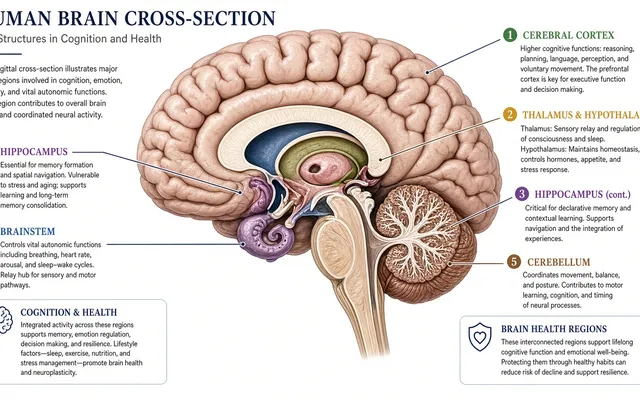
- Hippocampal changes: studies report smaller hippocampal volume in PTSD, which may reflect pre-existing vulnerability, as indicated by twin studies, as well as stress effects. The hippocampus is important for placing memories in context, and impairment may contribute to flashbacks that feel timeless.
- Insula and anterior cingulate: altered interoception and salience processing.
- Stress systems: altered HPA axis regulation, with often lower cortisol and heightened noradrenergic activity, and enhanced startle responses.
- Sleep and REM disruption: nightmares are common and may hamper emotional memory processing.
- Inflammation and autonomic imbalance are also under study.

Why memories intrude
Under extreme stress, the brain encodes sensory and emotional fragments strongly through the amygdala, while contextual and narrative encoding by the hippocampus may be impaired. Later, a cue, such as a sound or smell, can trigger the sensory memory without a clear sense of time. Dual representation theory proposed by Chris Brewin describes this distinction between sensory-based and contextual memory.
Risk and protective factors
Risk is higher with severe or repeated trauma, childhood adversity, prior mental health conditions, lack of social support and genetic factors. Protective factors include social support, coping skills, and prompt access to care. Many people show resilience or recover naturally in the weeks after trauma.
Treatments with evidence
- Trauma-focused psychotherapies: prolonged exposure, cognitive processing therapy and EMDR are strongly recommended by guidelines. They help patients process memories and update beliefs. Imaging studies show that successful treatment is associated with decreased amygdala reactivity and increased prefrontal engagement.
- Medications: the SSRIs sertraline and paroxetine are approved for PTSD in the United States. Prazosin is sometimes used for nightmares, though evidence is mixed. MDMA-assisted therapy was reviewed by the FDA, which declined approval in 2024 and requested more data; its status should be checked for updates.
- Stellate ganglion block and other novel approaches are under study.
- Skills and self-care: sleep regulation, exercise, grounding techniques and social support.
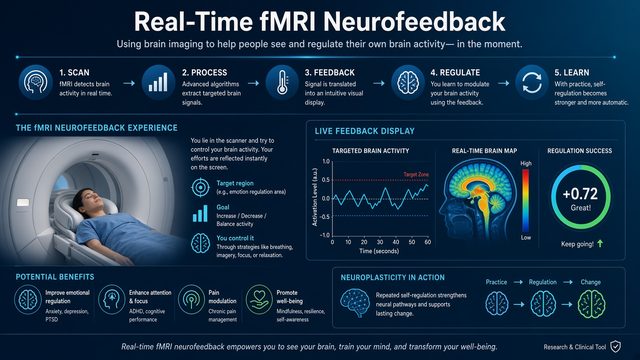
- Biofeedback and neurofeedback: under study as adjuncts to reduce arousal.
Getting help
If you have symptoms after trauma that last or interfere with life, seek an evaluation from a mental health professional experienced in trauma. Avoidance often delays help, though effective treatment exists. If you are in crisis, contact local emergency services or a crisis line, such as 988 in the United States.
Takeaway
PTSD reflects a nervous system that learned danger too well and has trouble learning safety. Evidence-based therapy helps the brain update that learning.
Further reading from authoritative sources
- National Institute of Mental Health (NIMH)
- National Center for Complementary and Integrative Health (NCCIH)
This article is educational and does not replace advice from a licensed clinician. See the medical disclaimer. Looking for specialist care? Browse the neurology clinic directory.