Poverty and Brain Development: What the Research Shows
Child poverty affects millions of children worldwide. Studies have examined how it relates to brain development, learning and mental health. The research shows risks, and it also points to powerful ways to help.
Early brain development
The first years are a period of rapid brain growth, when experiences shape circuits for language, attention and emotion. Poverty can bring stress for parents, which affects parenting, as well as less access to books, early education, nutritious food and safe play spaces. Children in poverty have, on average, lower scores on measures of language and executive function at school entry, which are building blocks for learning.
Biological pathways
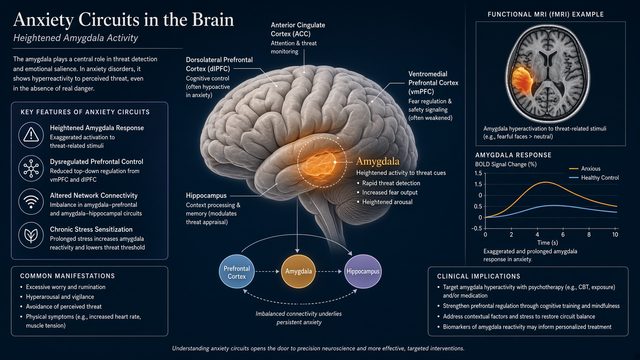
- Toxic stress: persistent, unbuffered stress activates the stress response and may alter brain regions such as the amygdala, hippocampus and prefrontal cortex, according to the Center on the Developing Child at Harvard.
- Nutrition: iron deficiency and malnutrition in early life can impair cognition. Food insecurity is linked to poorer outcomes.
- Environmental toxins: lead exposure, which is more common in older housing and poorer neighborhoods, is associated with reduced IQ and attention problems. No safe level has been identified.
- Air pollution and noise are associated with cognitive and mental health effects.
- Sleep problems due to noisy or crowded homes.
- Prenatal factors: maternal stress, poor prenatal care and substance exposure.

Evidence from imaging
Brain imaging studies find that children from lower-income families have, on average, smaller cortical surface area, differences in hippocampal volume and altered connectivity. Longitudinal work by Joan Luby and colleagues linked early poverty to reduced hippocampal and amygdala volumes in later childhood, with supportive parenting reducing the effect. Findings vary and cannot be applied to individuals.
Interventions that work
- High quality early education: the Abecedarian Project and Perry Preschool programs found long-term benefits in education, employment and health.
- Nurse home visiting: programs such as the Nurse-Family Partnership improve parenting and child outcomes.
- Reading and talking: Reach Out and Read and similar programs encourage reading aloud.
- Income support: child tax credits and cash transfers reduce hardship and may improve child development.
- Nutrition programs: school meals and supplemental nutrition assistance.
- Lead abatement and cleaner air
- Parental mental health care and childcare
- Bucharest Early Intervention Project: children moved from institutions to quality foster care early showed better cognitive and brain development than those who stayed, demonstrating how powerfully environment matters.
Resilience
Many children facing poverty thrive. Key protective factors include at least one stable, caring adult, skilled teachers, community connection and opportunities to learn. Resilience can be built.
What individuals can do
Families can talk, read and play together as they are able, access community resources and ask pediatricians for referrals. Advocates and neighbors can support food programs, libraries and schools.
Community and global view
In low- and middle-income countries, hundreds of millions of children are at risk of not reaching developmental potential because of poverty, stunting and limited stimulation. Programs that combine nutrition, responsive caregiving and early learning have shown gains in school readiness.
Takeaway
Poverty is a risk to brain development, not a verdict. Early, sustained support improves outcomes and benefits society.
Further reading from authoritative sources
- National Institute of Mental Health (NIMH)
- National Institute of Neurological Disorders and Stroke (NINDS)
This article is educational and does not replace advice from a licensed clinician. See the medical disclaimer. Looking for specialist care? Browse the neurology clinic directory.