The Future of Brain Health: What's on the Horizon
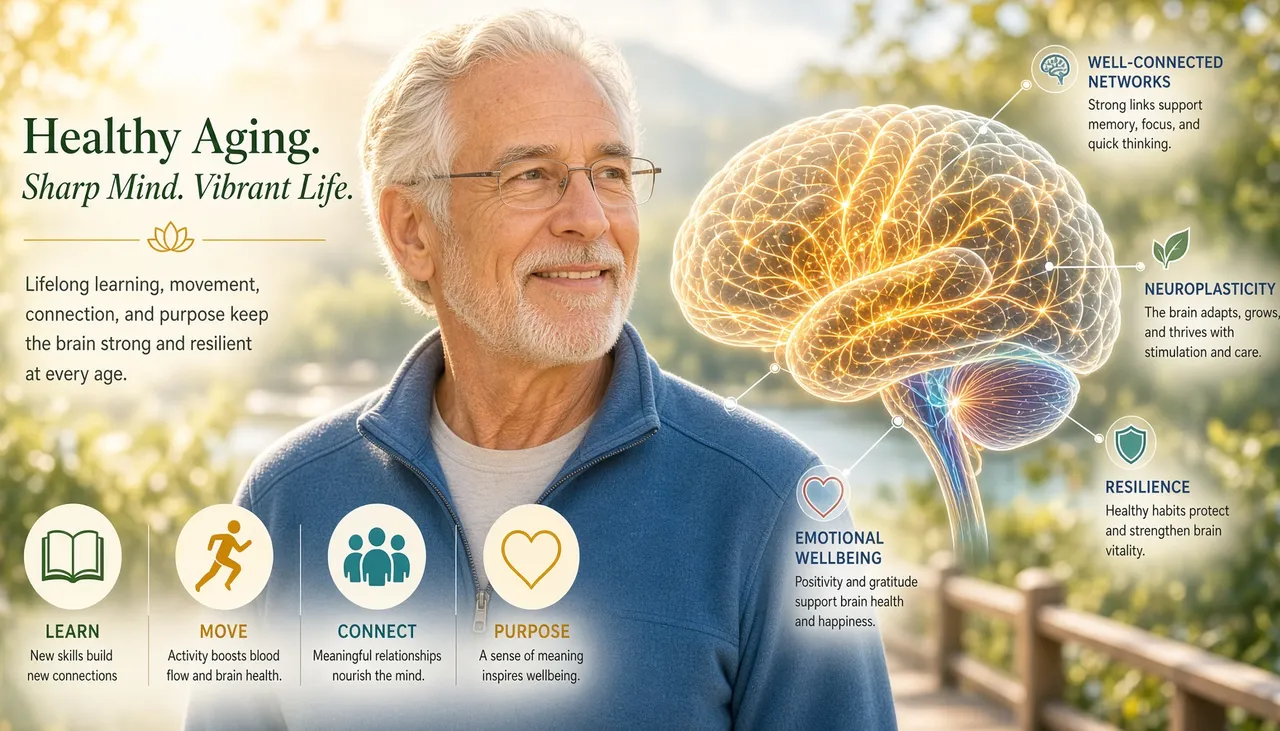
Brain health is changing faster than at any time in recent history. Several converging advances may make it possible to detect problems earlier, tailor prevention and offer new treatments, while the fundamentals of healthy living will remain.
Better, earlier diagnosis
- Blood biomarkers: tests for phosphorylated tau, amyloid and neurofilament light are moving into clinical use and may eventually allow screening of at-risk people.
- Imaging advances: tau PET, high-field MRI and AI-assisted analysis.
- Digital biomarkers: smartphones, wearables and home sensors that track speech, typing, gait, sleep and activity may reveal subtle changes years before diagnosis. Validation and privacy remain challenges.
- Retinal and other noninvasive markers: under study.
New treatments
- Disease-modifying drugs: antibodies against amyloid, and soon agents targeting tau, inflammation, synapses and metabolism, often combined.
- Gene therapy and RNA drugs.
- Cell therapies.
- Brain stimulation: transcranial magnetic stimulation, focused ultrasound, deep brain stimulation and closed-loop systems.
- Brain-computer interfaces: devices that help paralyzed patients communicate or move.
- Repurposed drugs and GLP-1 agents: being tested for brain benefits.
- Vaccines: active and passive immunization against abnormal proteins are in trials.
- Neuromodulation for mood and pain: growing evidence base.
Personalized prevention
Combining genetics, biomarkers, vascular risk, lifestyle and social factors could allow tailored prevention plans. Multidomain programs like FINGER and U.S. POINTER illustrate how combined approaches might reduce risk. Better data could help target the people most likely to benefit.
Artificial intelligence
AI is being applied to reading scans, predicting disease risk, analyzing speech and accelerating drug discovery. It will need rigorous validation, transparency and attention to bias.
Prevention at the population level
Policies that address blood pressure control, air pollution, hearing and vision care, education, physical activity, smoking and head injury prevention may have large effects. The Lancet Commission estimates that nearly half of dementia cases are linked to modifiable factors.
Challenges ahead
- Equity: ensuring that advances reach diverse and underserved communities.
- Cost and access.
- Ethics and privacy: early prediction raises questions about insurance, employment and psychological impact.
- Overpromising: hype can outpace evidence.
- Workforce: shortages of neurologists and memory specialists.
What stays the same
Exercise, sleep, a healthy diet, social connection, learning, vascular control, avoiding head injury and good medical care remain the foundations. New tools will build on them, not replace them.
How to prepare
Individuals can keep up with trustworthy sources such as national brain and dementia organizations, ask clinicians about new tests, and consider joining a research registry. Keep records of your health information and family history in one place, and think about your own preferences regarding early testing. Staying healthy now keeps more options open later.
A note on hype
Headlines often announce breakthroughs based on animal studies or small trials. A useful test is to ask whether findings have been replicated in people, whether they improve how patients feel or function, and whether independent experts agree. Progress is usually incremental, and patience is part of good science.
Takeaway
The next decade promises earlier answers and better options, but your daily habits remain your most powerful tool today.
Further reading from authoritative sources
This article is educational and does not replace advice from a licensed clinician. See the medical disclaimer. Looking for specialist care? Browse the neurology clinic directory.





