The Role of Caregivers in Brain Health
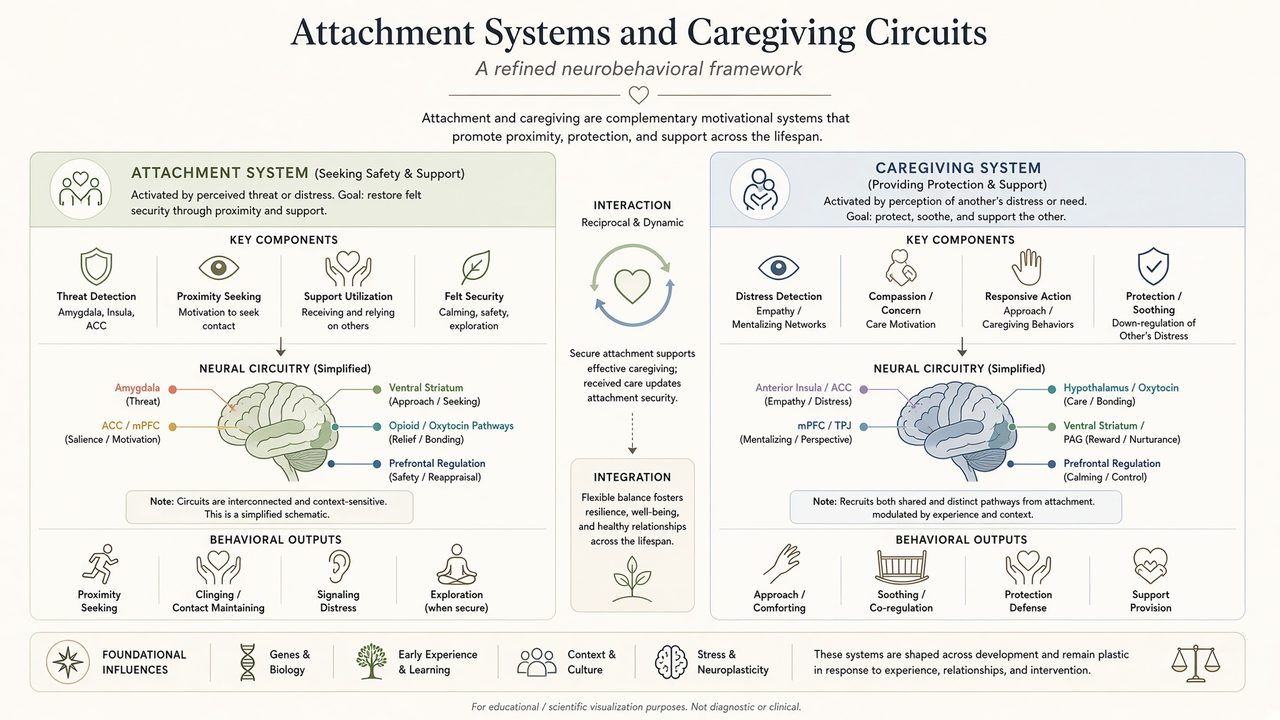
Behind nearly every person living with a brain condition, from stroke to dementia to traumatic injury, are caregivers who provide daily help. Their work affects outcomes, and their own health matters just as much.
What caregivers do
Caregiving can include helping with bathing, dressing and eating, managing medications, arranging appointments, handling finances, providing transportation, supervising safety, coordinating care and offering emotional support. In the United States, millions of family members provide unpaid care for people with dementia alone, and the work is often intense, long-term and unseen.
Why caregivers matter for brain health
- Adherence and monitoring: caregivers help with medicines, symptoms and warning signs.
- Rehabilitation: they reinforce therapy exercises and routines at home.
- Safety: they reduce falls, wandering and accidents.
- Engagement: they provide social, physical and mental stimulation.
- Advocacy: they communicate with clinicians, often serving as the memory of the patient's history.
- Preventing complications: good care can reduce hospitalization and delay institutionalization.

The toll on caregivers
Studies show that caregivers face higher rates of depression, anxiety, stress hormone elevation, sleep loss, social isolation, financial strain and physical illness. Strain may be highest for caregivers of people with dementia, particularly with behavioral symptoms. Caregivers also may neglect their own health and checkups.
What helps caregivers
- Education and skills training: understanding the condition and learning communication and problem-solving strategies. Programs such as REACH II and Savvy Caregiver have shown benefit.
- Respite care: adult day programs, in-home help and short-term stays.
- Support groups: peer support reduces isolation.
- Counseling and mental health care.
- Care coordination: social workers, care managers and geriatric specialists.
- Financial and legal planning: powers of attorney, advance directives and benefits. Programs such as Medicaid waivers, Veterans Affairs caregiver support and the National Family Caregiver Support Program may help.
- Technology: medication reminders, safety sensors and telehealth.
- Sharing duties: involve family members, friends and community.
Caring for the caregiver
- Keep your own medical appointments.
- Exercise, eat well and protect sleep.
- Accept help and be specific about what would be useful.
- Take breaks, even short ones.
- Set realistic expectations, and let go of perfection.
- Recognize burnout: exhaustion, resentment, withdrawal and health problems.
- Seek help if overwhelmed, and call 988 in the United States in a crisis.
- Contact resources: the Alzheimer's Association helpline at 1-800-272-3900, the Family Caregiver Alliance, local Area Agencies on Aging and Eldercare Locator at 1-800-677-1116.
Working with the care team
Caregivers are partners with clinicians. Keep a notebook of symptoms, medication changes and questions, and bring it to appointments. Ask for written instructions, and request a social worker or care manager when decisions become complex. Be honest about your own limits, since clinicians can connect you with services that make caregiving more sustainable.
Recognizing cultural and personal needs
Caregiving looks different across families and cultures, and respectful care considers language, beliefs, food and routine. Ask the person with the condition what matters to them, and involve them in decisions as long as possible.
Takeaway
Caregivers are a crucial part of brain health care. Supporting them is not a luxury, but a necessity for good outcomes.
Further reading from authoritative sources
This article is educational and does not replace advice from a licensed clinician. See the medical disclaimer. Looking for specialist care? Browse the neurology clinic directory.