Heart Rate Variability Training for Emotional Regulation
Emotional regulation involves both the mind and body. When you feel anxious, your heart races and breathing quickens, and those body signals feed back to the brain. Heart rate variability (HRV) training uses this loop in reverse: by changing breathing and heart rhythm, you can help settle emotion.
The body-brain loop
The autonomic nervous system has two main branches. The sympathetic branch speeds you up for action, and the parasympathetic branch, particularly through the vagus nerve, slows and restores. HRV, the beat-to-beat variation in heart rate, reflects the interplay between them. Higher HRV at rest is generally associated with greater flexibility and better emotional regulation, whereas low HRV is seen in people with anxiety, depression, PTSD and chronic stress.
How training works
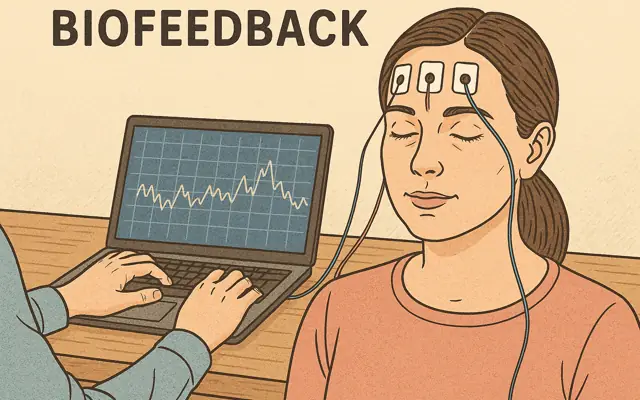
1. A sensor tracks your pulse and shows your heart rhythm on a screen. 2. You breathe slowly, usually around six breaths per minute, with a smooth inhale and a longer exhale. 3. At this pace, heart rate oscillates in sync with breathing, which stimulates the baroreflex, a feedback loop that regulates blood pressure and affects vagal activity. 4. With practice, people learn to find a calm state and to reproduce it without equipment.
Practitioners may identify your personal resonance frequency, the breathing rate that maximizes HRV, typically between 4.5 and 7 breaths per minute.
Links to the brain
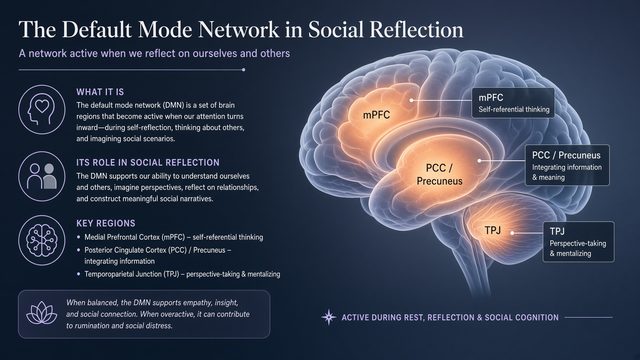
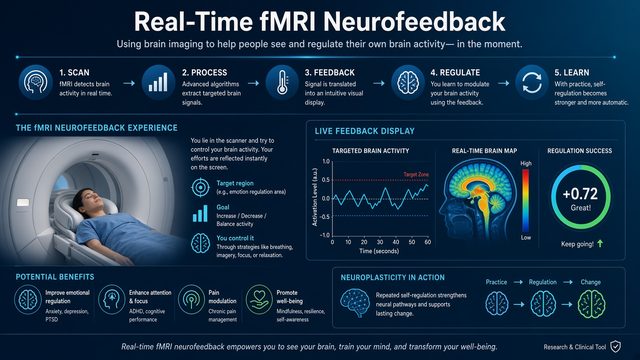
The vagus nerve and baroreceptors send signals to the brainstem and onward to the amygdala, insula and prefrontal cortex. Small imaging studies suggest that HRV biofeedback is associated with changes in prefrontal and limbic activity and improved connectivity, although the research base is still limited.
What the evidence says
- Anxiety and stress. Meta-analyses of trials report moderate reductions in anxiety and stress symptoms.
- Depression. Some studies show symptom improvement, with weaker evidence than for anxiety.
- PTSD. Preliminary trials suggest benefit as an adjunct to therapy.
- Anger and emotional reactivity. Some research supports improvements in regulation in students and workers.
- Performance anxiety. Athletes, musicians and students may benefit from using paced breathing before performance.
Study quality varies, and many trials are small. HRV biofeedback appears to work best as an addition to other treatments.
Getting started
In a clinic
Find a licensed clinician certified in biofeedback. They can tailor the protocol and monitor your progress.
At home
- Practice 10 to 20 minutes daily.
- Use a validated pacing app or a handheld device.
- Sit upright, relax the shoulders and breathe through the nose.
- Practice when calm first, then in mildly stressful moments.
Using it in real life
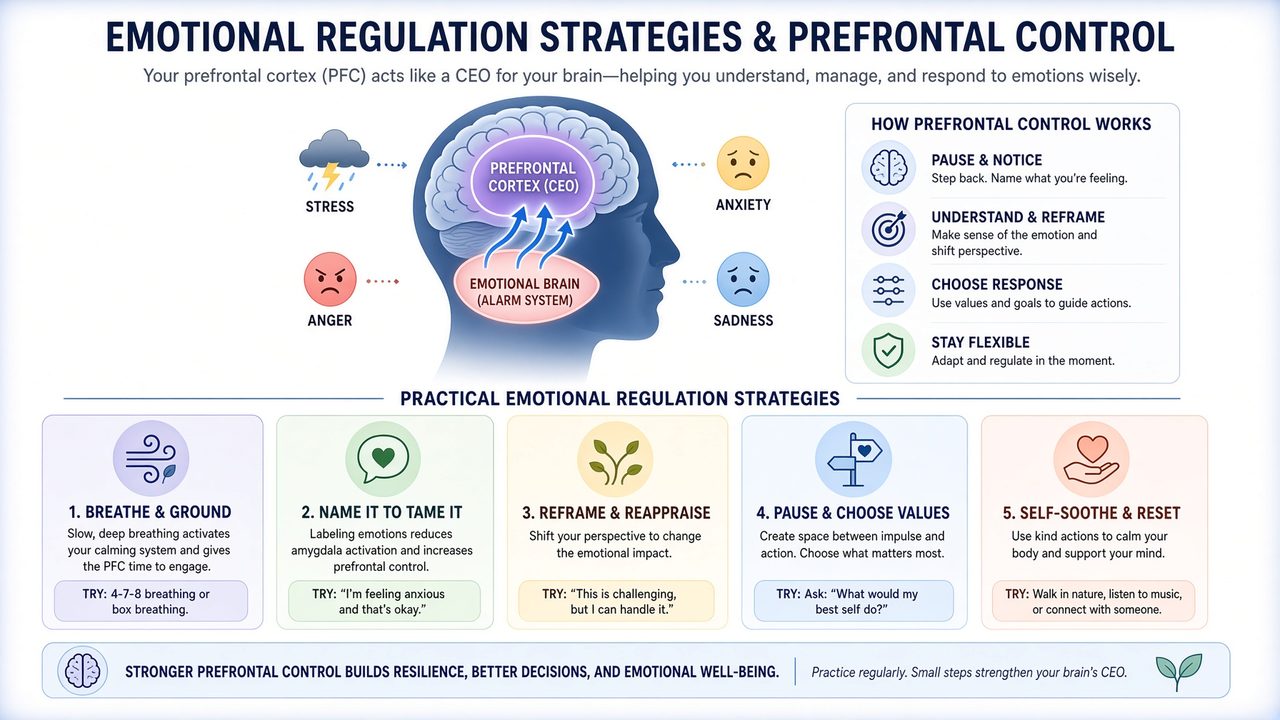
Try a few minutes of slow breathing before a meeting, during a conflict or when you notice rising tension. Pair it with a naming of the emotion and a reframing of the situation.
Cautions
- People with heart conditions, respiratory disease, epilepsy triggered by hyperventilation or pregnancy should check with their doctor.
- Do not breathe too hard or fast. Aim for gentle, comfortable breaths.
- If you feel dizzy, stop and breathe normally.
- It does not replace therapy or medication for mental health disorders.
Complementary habits
Regular aerobic exercise, good sleep and limiting alcohol and caffeine support HRV. Mindfulness, yoga and therapy complement the effects.
Bottom line
HRV training offers a drug-free, learnable way to influence the body's stress response. If you have significant emotional difficulties, consult a mental health professional about how to incorporate it into a broader plan.
Further reading from authoritative sources
- National Institute of Mental Health (NIMH)
- National Center for Complementary and Integrative Health (NCCIH)
This article is educational and does not replace advice from a licensed clinician. See the medical disclaimer. Looking for specialist care? Browse the neurology clinic directory.