Inflammation and Depression: The Emerging Link
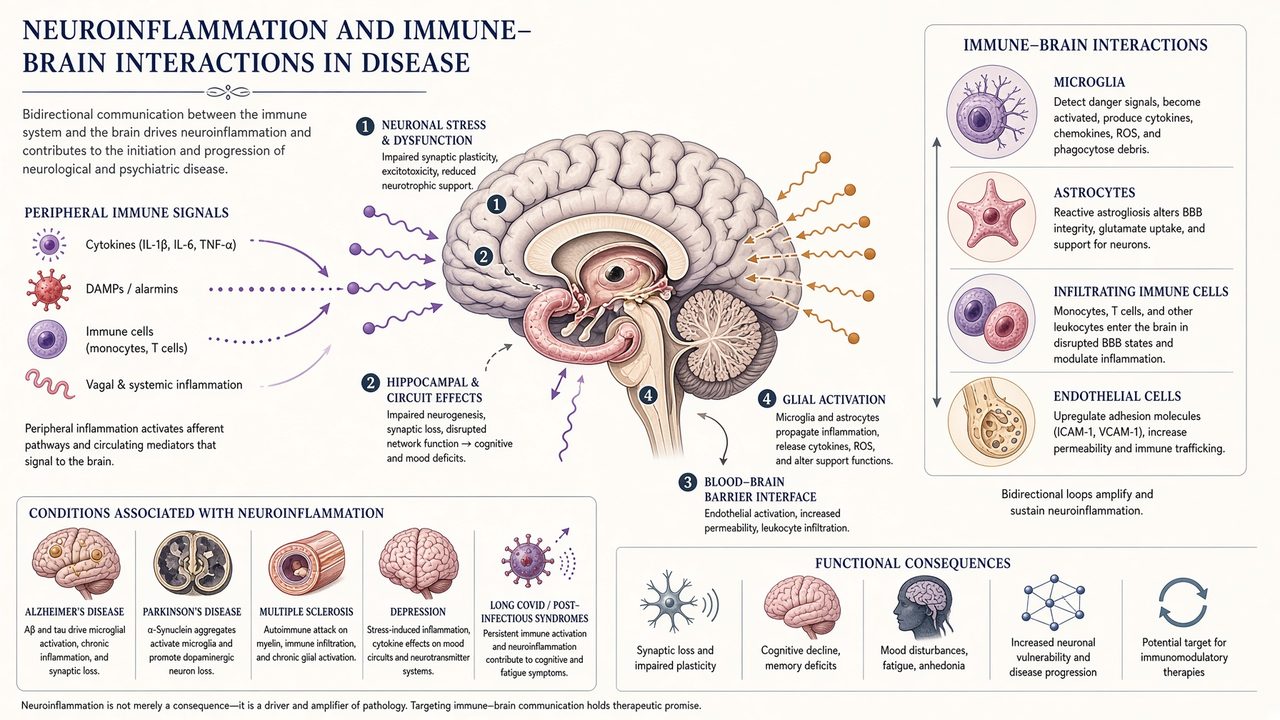
For decades depression was explained mainly by low serotonin. A growing body of research suggests that inflammation plays a role for at least some people, linking the immune system to mood in ways that may open new treatment options.
What the evidence shows
- Higher markers: meta-analyses find that people with depression, on average, have higher blood levels of C-reactive protein (CRP), interleukin-6 (IL-6) and tumor necrosis factor alpha (TNF-alpha). Around a quarter to a third of patients show elevated CRP.
- Sickness behavior: when infection triggers cytokines, people feel tired, withdrawn, sad and lose appetite and interest. Researchers such as Andrew Miller and Charles Raison propose that depression can resemble a maladaptive prolonged sickness response.
- Interferon therapy: treating hepatitis C or cancer with interferon alpha, a cytokine, causes depression in a substantial fraction of patients, which can be prevented by pretreatment with an SSRI.
- Experimental inflammation: giving healthy volunteers a typhoid vaccine or endotoxin temporarily increases negative mood and reduces reward responses in the ventral striatum.
- Conditions with inflammation: depression is more common in rheumatoid arthritis, inflammatory bowel disease, psoriasis, heart disease, diabetes and obesity.
- Treatment resistance: patients with higher inflammation may respond less well to standard antidepressants, as studies of CRP suggest.
How inflammation may affect the brain
- Neurotransmitters: cytokines can increase the breakdown of tryptophan, a serotonin precursor, via the kynurenine pathway, producing metabolites that influence glutamate signaling.
- Dopamine and reward: inflammation reduces dopamine synthesis and release in the basal ganglia, which may produce loss of motivation and pleasure.
- Glial activation: microglia become activated and can alter synaptic function.
- Blood-brain barrier and stress systems: inflammatory signals interact with the HPA axis.
- Neuroplasticity: inflammation may reduce BDNF and hippocampal neurogenesis.
- Circuit effects: altered connectivity in networks involving the striatum, prefrontal cortex and insula.

Do anti-inflammatory treatments help?
- Biologic drugs: a trial of the TNF blocker infliximab found no overall benefit on depression, but patients with high baseline CRP showed improvement, suggesting the value of matching treatment to inflammatory status.
- NSAIDs and celecoxib: meta-analyses indicate some antidepressant benefit as add-on treatment, though risks of side effects limit routine use.
- Minocycline, statins and omega-3s: under study, with variable results. EPA-rich omega-3 supplements show benefit in some meta-analyses.
- Standard antidepressants and psychotherapy: may themselves reduce inflammation.
- Caution: these approaches are not standard care for depression, and should only be used under a physician's guidance.
Lifestyle and inflammation
- Physical activity: lowers inflammatory markers and has an antidepressant effect.
- Diet: Mediterranean-style eating is associated with lower inflammation and depressive symptoms.
- Sleep: chronic insufficient sleep elevates inflammation.
- Stress reduction: mindfulness, relaxation and social support.
- Weight management and treating chronic conditions
- Avoid smoking and limit alcohol.
- Stay current on vaccinations and treat infections.
Limits
The link is correlational in many studies, and inflammation could be both a cause and a consequence. Many depressed people have normal inflammatory markers. Research aims to identify biomarkers that guide personalized treatment.
When to seek help
Depression is treatable with psychotherapy, medication and lifestyle changes. If you have persistent low mood or thoughts of self-harm, seek professional help; in the United States, call or text 988.
Takeaway
Inflammation is one pathway among many in depression. The immune connection is expanding how scientists think about mood, and may lead to more personalized care.
Further reading from authoritative sources
- National Institute of Mental Health (NIMH)
- National Center for Complementary and Integrative Health (NCCIH)
This article is educational and does not replace advice from a licensed clinician. See the medical disclaimer. Looking for specialist care? Browse the neurology clinic directory.