Stress Hormones and Mental Health: Cortisol Explained
Cortisol is often called the "stress hormone," and it has become a wellness buzzword. The reality is more nuanced: cortisol is essential for life, and it is dysregulated patterns, not cortisol itself, that are linked to mental health problems.
What cortisol does
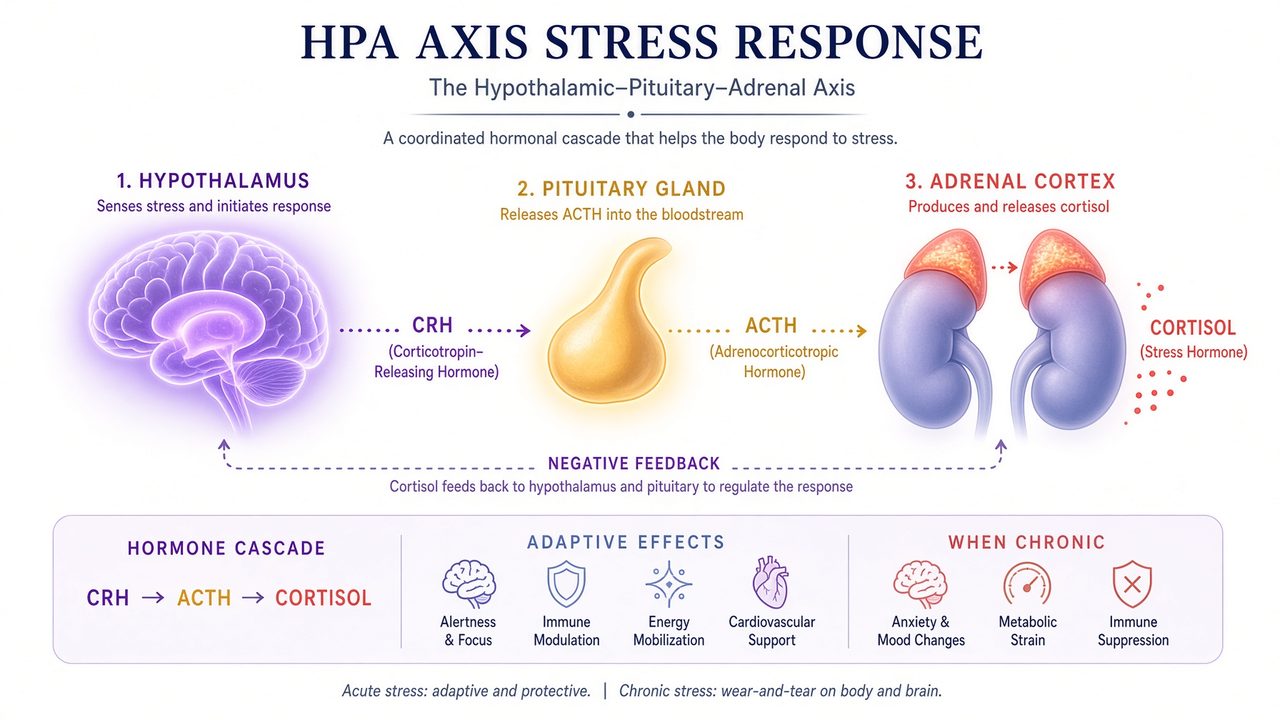
Cortisol is a glucocorticoid released by the adrenal glands under control of the hypothalamic-pituitary-adrenal (HPA) axis. When a stressor is perceived, the hypothalamus releases CRH, which prompts the pituitary to release ACTH, which signals the adrenals to release cortisol. Cortisol raises blood sugar, modulates immune function, and affects blood pressure, metabolism and the brain. It then feeds back to the hippocampus, hypothalamus and pituitary to turn off the response.
The daily rhythm
Cortisol peaks about 30 to 45 minutes after waking, the cortisol awakening response, and then declines through the day to a low point around midnight. Disturbed sleep, shift work and chronic stress can flatten the rhythm.

Cortisol and the brain
- Memory: moderate acute elevations can enhance consolidation of emotional memories, while sustained high levels may impair hippocampal function and retrieval. Robert Sapolsky's research highlights that chronic glucocorticoid exposure can reduce dendritic complexity in the hippocampus in animals.
- Prefrontal cortex: high stress levels impair working memory and decision making.
- Amygdala: stress and cortisol enhance amygdala reactivity.
- Mood: both too much and too little cortisol have been linked to problems.
Cortisol in mental health conditions
- Depression: about half of people with major depression, especially melancholic or psychotic depression, have elevated cortisol and impaired feedback in the dexamethasone suppression test. Hippocampal volume is smaller in some patients.
- PTSD: cortisol levels are often lower than normal, with enhanced feedback sensitivity, in contrast to depression, in some studies, though findings vary.
- Anxiety: results are mixed, with elevated responses in some individuals.
- Cushing's syndrome: excessive cortisol causes depression, anxiety, irritability and cognitive problems, which often improve when treated. Addison's disease has too little cortisol, with fatigue and low mood.
- Early life stress: can program the HPA axis, increasing vulnerability.
- Burnout and chronic fatigue: research shows complex, inconsistent patterns.
Measuring cortisol
Cortisol can be measured in blood, saliva, urine or hair, and tests are used for medical conditions. Over-the-counter "adrenal fatigue" tests and diagnoses are not recognized by endocrinology societies, and claims of "adrenal fatigue" lack scientific support.
What actually helps regulate stress hormones
- Sleep: consistent, sufficient sleep supports the daily rhythm.
- Morning light and regular schedules
- Exercise: regular moderate activity improves stress regulation, though extreme overtraining may raise cortisol.
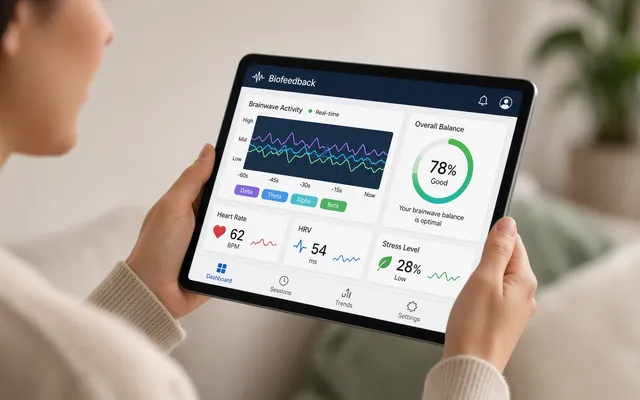
- Relaxation practices: mindfulness, yoga, slow breathing and HRV biofeedback reduce stress responses in many studies.
- Social support: strong relationships buffer stress.
- Reduce alcohol, nicotine and excessive caffeine, which affect stress physiology.
- Nutrition: balanced meals and avoiding severe calorie restriction.
- Address stressors: time management, boundaries and problem solving.
- Therapy for anxiety, depression or trauma.
- Medical evaluation for symptoms suggestive of cortisol disorders, such as unexplained weight gain with purple stretch marks, muscle weakness, or severe fatigue with low blood pressure.
- Be cautious with supplements marketed to "lower cortisol," as evidence is weak.
Takeaway
Cortisol is a vital hormone, not a villain. Supporting healthy rhythms and managing chronic stress protect both the brain and the body.
Further reading from authoritative sources
- National Institute of Mental Health (NIMH)
- National Center for Complementary and Integrative Health (NCCIH)
This article is educational and does not replace advice from a licensed clinician. See the medical disclaimer. Looking for specialist care? Browse the neurology clinic directory.