
Nutrition
Brain Foods: What the Evidence Really Says
No single superfood protects the brain, but overall eating patterns do matter. See which foods have the best evidence for brain health and which claims are hype.
What you eat, how you move and how you live all feed back into the brain. These articles review the evidence on diets, nutrients, exercise, hydration, caffeine, alcohol and everyday routines, and are candid about where the science is still thin.
No single superfood protects the brain, but overall eating patterns do matter. See which foods have the best evidence for brain health and which claims are hype.

The MIND diet blends Mediterranean and DASH eating to support the aging brain. Learn what it includes, what early studies found, and what a recent randomized trial showed.

Omega-3 fats such as DHA are building blocks of brain cell membranes. Learn what they do, what fish and supplement studies show, and how much is reasonable.
Antioxidants may protect brain cells from oxidative damage, but supplements have not delivered proven benefits. Learn what research shows and which foods are the best bet.
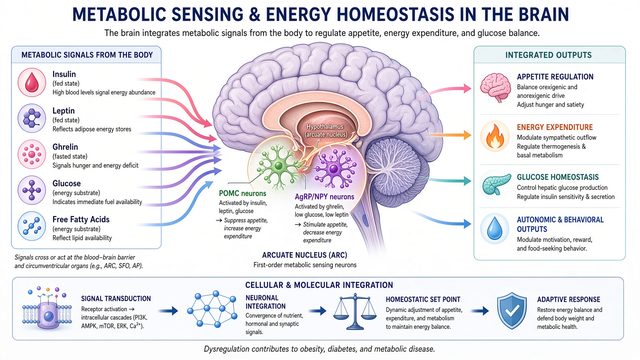
The brain runs on glucose, but too much added sugar can harm cognition, mood and long-term brain health. Learn what research shows and how to eat smarter.
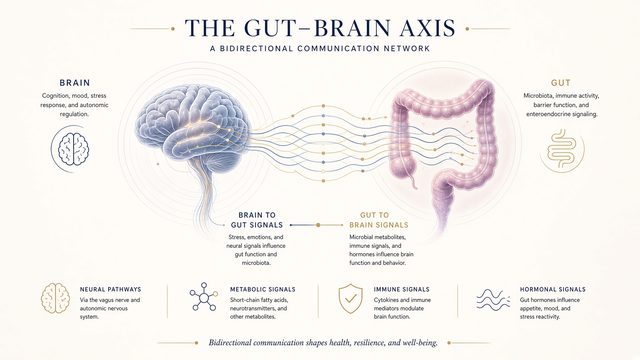
Gut bacteria communicate with the brain through nerves, hormones and immune signals. Learn what the microbiome may do for mood and cognition, and what is still unproven.
Even mild dehydration can affect attention, mood and mental performance. Learn how water balance affects the brain, how much you need and how to stay hydrated.
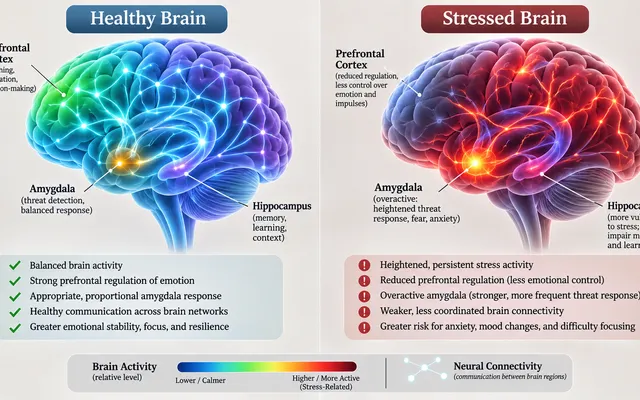
Caffeine boosts alertness by blocking adenosine, and coffee is linked with some health benefits. Learn how much is reasonable and who should limit it.
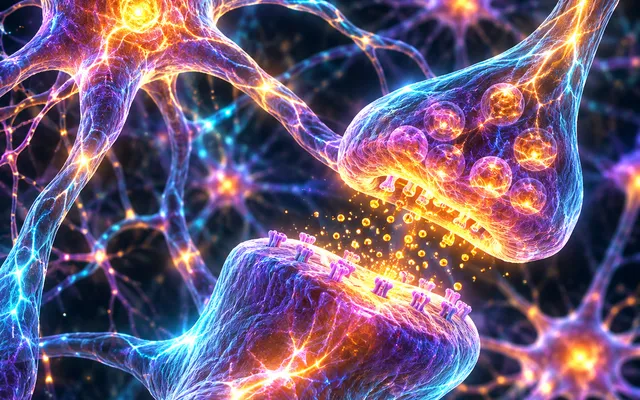
Does a drink a day harm the brain? Learn what recent large studies show about moderate alcohol use, brain volume, dementia risk and why guidelines are tightening.
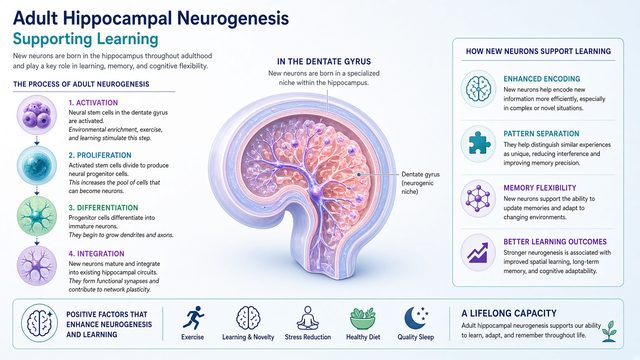
Exercise changes brain chemistry, blood flow and connections, and is linked to better mood, memory and attention. Learn how it works and how much you need.
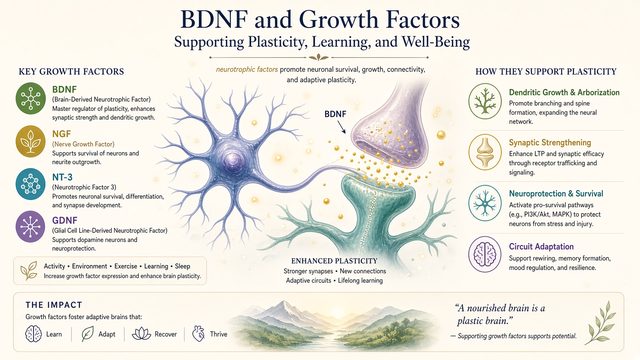
Aerobic exercise improves memory by growing the hippocampus, raising BDNF and improving blood flow. Learn what trials show, how much to do and which activities help.
Resistance training improves executive function, memory and mood, especially in older adults. Learn what trials show, how muscle signals influence the brain and how to start safely.
Exercise drives neuroplasticity through BDNF, neurogenesis, synaptic strengthening and vascular changes. Learn the mechanisms, the evidence in humans and how to exercise for learning and recovery.

Regular physical activity is linked to lower dementia risk, and midlife and later-life activity both matter. Learn what large studies, trials and the Lancet commission say, and how much activity helps.
Walking improves mood, creativity, memory and long-term brain health. Learn what research shows about step counts, pace, walking outdoors and how to build a walking habit.
Yoga combines movement, breathing and meditation, with benefits for stress, mood, attention and possibly brain structure. Learn what trials and imaging studies show and how to practice safely.
Tai chi combines slow movement, balance and attention, with trials showing improvements in cognition, balance and mood in older adults. Learn the evidence and how to start.
Dance combines aerobic activity, learning, music and social connection, with studies showing benefits for memory, balance and brain structure in older adults. Learn the evidence and tips.
Stretching affects muscle length, blood flow and nervous system tone, with benefits for flexibility, relaxation and pain. Learn what research shows and how to stretch safely for body and mind.
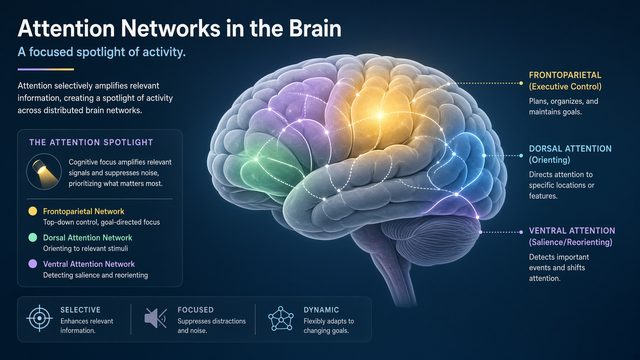
Walking in nature restores attention and reduces rumination, while urban environments demand more focus. Learn about attention restoration theory, experiments and how to design a restorative walk.
Sunlight shapes the brain through the body clock, mood circuits and vitamin D synthesis. Learn what research shows about vitamin D, cognition and depression, safe sun exposure and supplements.
Intermittent fasting triggers ketone production and cellular stress responses that show benefits in animals. Learn what human studies show about cognition, mood and safety, and who should avoid it.
The Mediterranean diet is linked to slower cognitive decline and lower dementia risk. Learn what studies like PREDIMED show, what the diet includes and how to adopt it.
Ultra-processed foods are linked to depression, cognitive decline and dementia in large studies. Learn the evidence, possible mechanisms, how to read labels and practical swaps.
Dietary fiber feeds gut microbes that produce short-chain fatty acids, which influence inflammation, mood and cognition. Learn what research shows about fiber, the gut-brain axis and how to eat more of it.
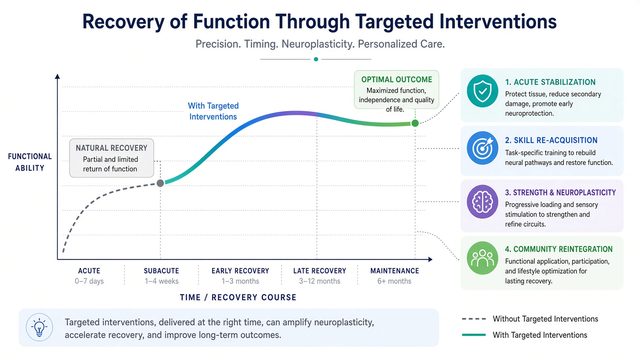
B vitamins support energy metabolism, neurotransmitters and homocysteine control. Learn what each does, signs of deficiency, who is at risk and what trials show about supplements.
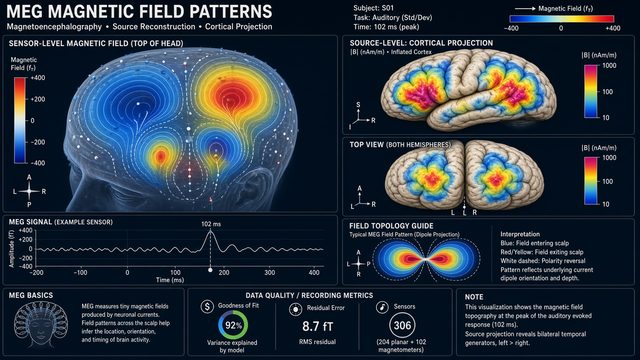
Magnesium regulates NMDA receptors, calcium channels and stress responses. Learn what research shows about magnesium, sleep, mood, migraine and cognition, plus food sources and supplement cautions.
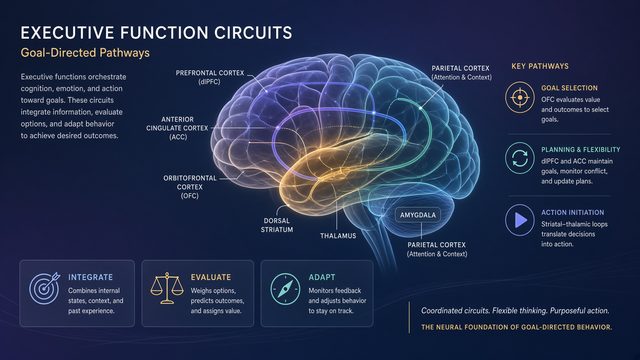
Iron supports oxygen delivery, myelination and neurotransmitters. Learn how iron deficiency affects attention and development, who is at risk, and the dangers of iron excess.
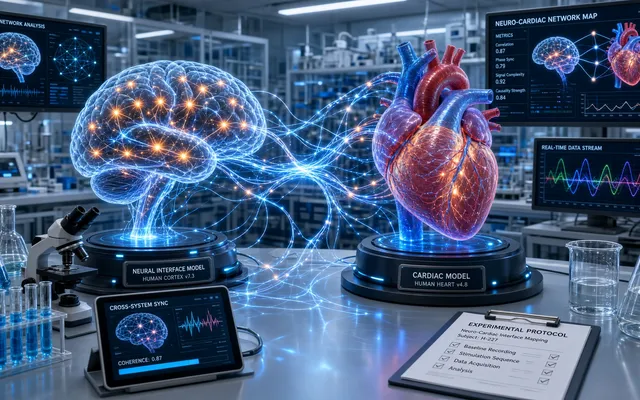
Zinc modulates synaptic transmission, neurogenesis and immune function. Learn what research shows about zinc deficiency, depression, cognition, food sources and supplement cautions.
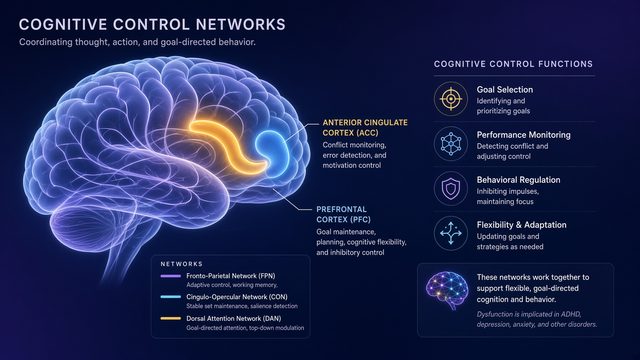
Low vitamin D is associated with cognitive decline and dementia, but trials of supplements show limited benefit except possibly in deficiency. Learn the evidence, testing, doses and safety.
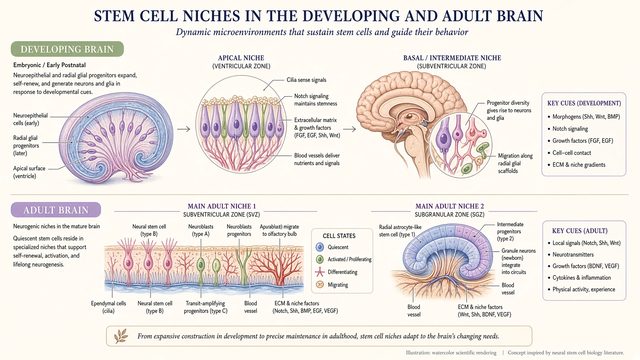
Even mild dehydration can impair attention, mood and memory. Learn how the brain senses thirst, what studies show about performance, how much water you need and signs of dehydration.

High sodium intake raises blood pressure, harms brain blood vessels and may affect cognition. Learn what research shows about salt, stroke, dementia, the brain's salt appetite and how to cut back.
Cocoa flavanols may improve blood flow and memory in some studies, but chocolate bars are mostly sugar and fat. Learn what trials show, what mood effects are real and how to choose well.
Coffee and tea both contain caffeine and protective polyphenols, but differ in dose, L-theanine and effects. Learn what research shows about alertness, anxiety, dementia and sleep, and which suits you.
Breakfast supplies glucose and nutrients that influence attention, mood and memory, especially in children. Learn what studies show about skipping breakfast, glycemic load and what to eat.
What you eat influences sleep quality, and sleep in turn drives brain recovery. Learn how fiber, sugar, fat, caffeine, alcohol and meal timing affect sleep, and what to eat for rest.
Protein provides amino acids for neurotransmitters, myelin and repair. Learn how tryptophan, tyrosine and other amino acids work, how much protein you need and what research says about cognition.
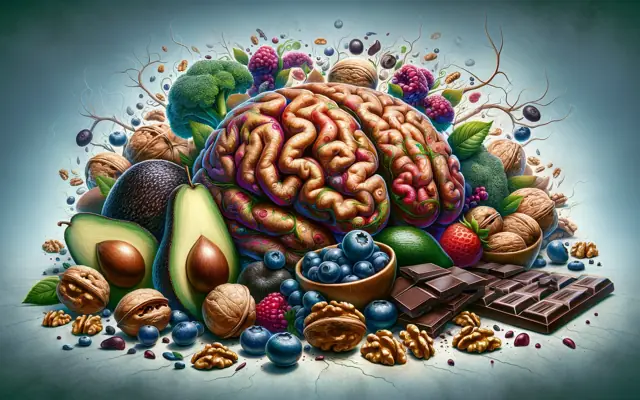
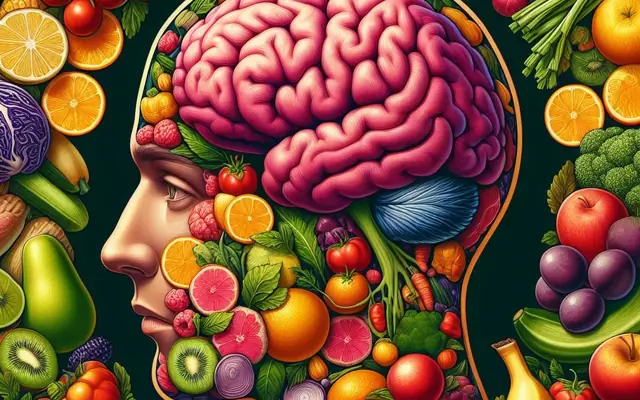
Berries, leafy greens, fish, nuts, olive oil and whole grains are linked to healthier brain aging. Learn which foods have the best evidence and how to build a brain-protective plate.
Do multivitamins protect memory? Learn what the COSMOS-Mind trial and other studies show about multivitamin use, cognition and aging, who may benefit, and when food and a doctor's advice come first.
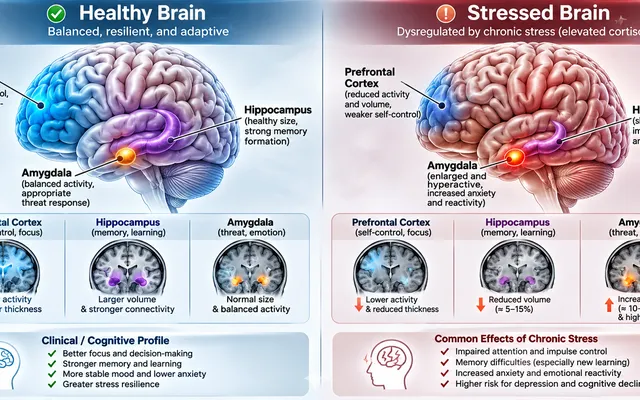
Smoking harms brain blood vessels, shrinks cortical thickness and raises stroke and dementia risk, while nicotine reshapes reward circuits. Learn the evidence and the brain benefits of quitting.
E-cigarettes deliver nicotine that can affect the adolescent brain, attention and mood. Learn what research shows about vaping, brain development, addiction risk and what is still uncertain.
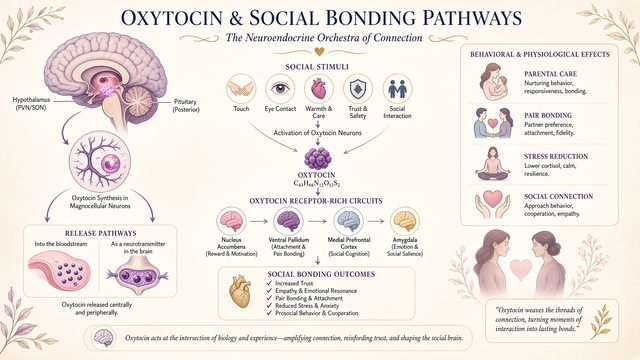
How does moderate alcohol affect the brain? Learn how alcohol acts on GABA and glutamate, what studies say about brain volume and dementia, and why no amount is clearly protective.

Long hours of sitting are linked to lower brain volume, poorer memory and higher dementia risk, even in people who exercise. Learn how sitting affects the brain and simple ways to move more.
Exercising outdoors may boost mood, reduce stress and improve attention more than indoor workouts. Learn what green exercise studies show, how nature affects the brain and how to get started.
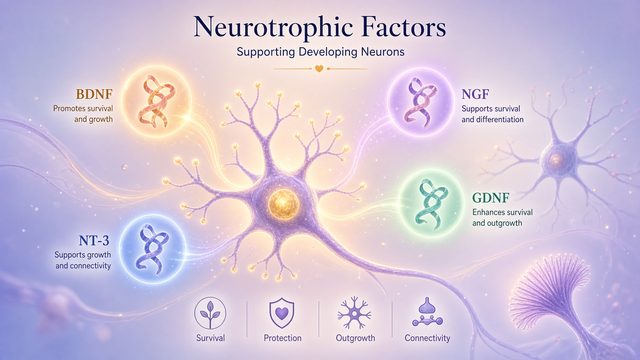
Which lifestyle habits protect the brain at every age? Learn how exercise, sleep, nutrition, social ties, learning and vascular health shape the brain from childhood to old age.
Habits run on the basal ganglia and free up mental effort. Learn how habits form, how long they take to change, and how to build routines that support sleep, movement and brain health.

Sunlight influences serotonin, melatonin, vitamin D and circadian rhythms, which affect mood and seasonal depression. Learn what research shows and how to get light safely.
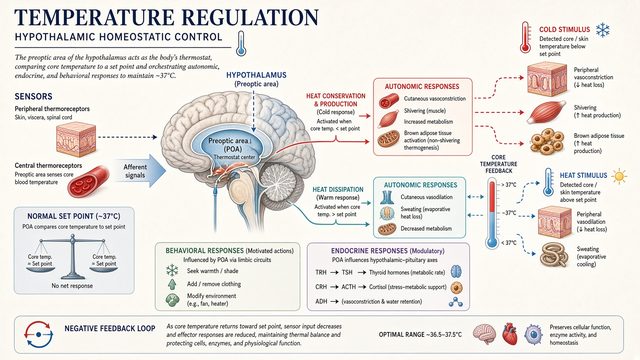
Cold showers and ice baths trigger noradrenaline, stress responses and mood effects. Learn what studies show about cold exposure, brain benefits, claims versus evidence and safety precautions.
Hot baths, saunas and warm-water immersion affect mood, blood flow and stress hormones. Learn what research shows about heat therapy, depression, vascular benefits and safety limits.
Slow breathing can shift the autonomic nervous system toward calm by raising vagal tone and heart rate variability. Learn how it works, which techniques have evidence and how to practice.
Regular sauna use is linked to lower dementia risk and better cardiovascular health in Finnish studies. Learn what the evidence shows, possible mechanisms, limits of the data and safety tips.
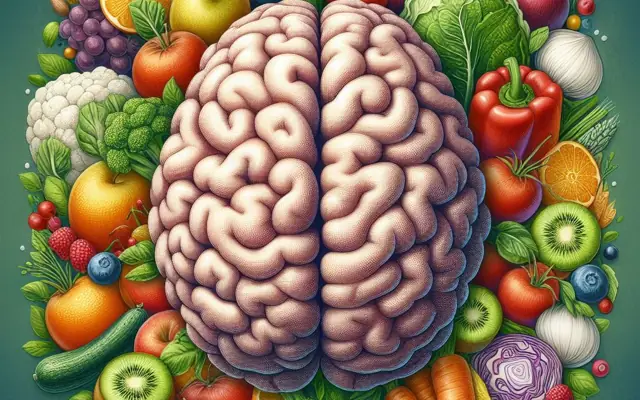
Birdsong, flowing water and wind can lower stress, restore attention and aid sleep. Learn what research on natural soundscapes shows about the brain, heart rate and mood, and how to use them.
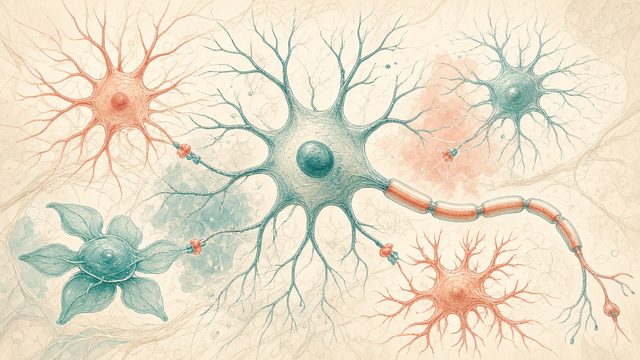
What happens to the brain as we age, and what helps? Learn about normal changes in memory, speed and structure, the role of cognitive reserve, and habits that support healthy aging.
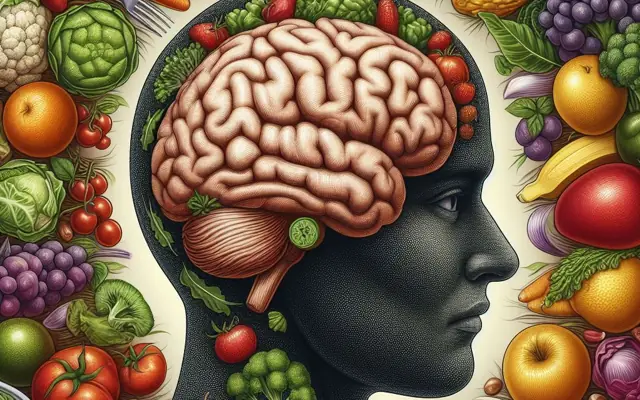
Blue Zones are regions with unusually long-lived people. Learn what their diets, movement, social ties and purpose suggest about brain health, and which findings are still debated.
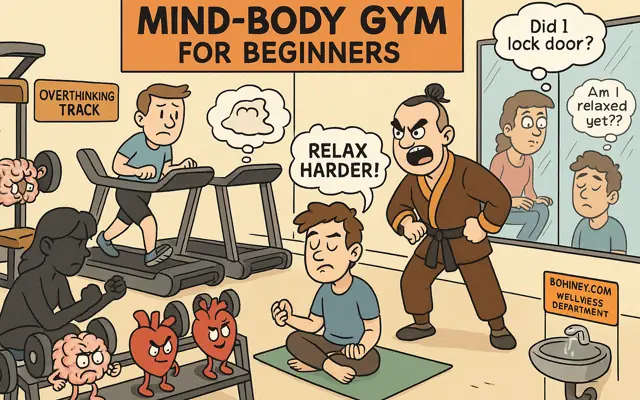
Biofeedback can reveal how stress, eating and body signals interact. Learn how it may support mindful eating, stress-related overeating and habit change alongside good nutrition.
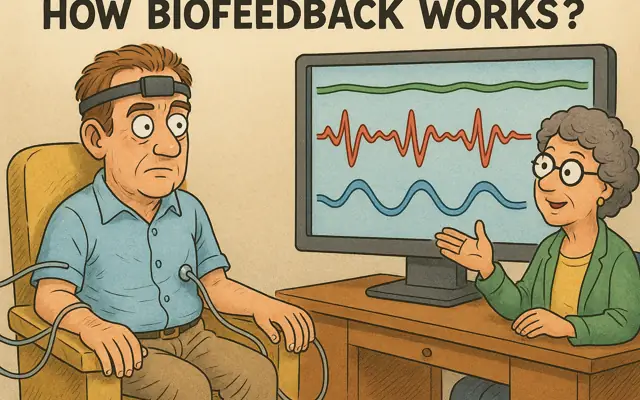
Heart-rate monitors, HRV and EMG feedback can guide training, recovery and rehabilitation. See how biofeedback and exercise work together, and where the limits are.
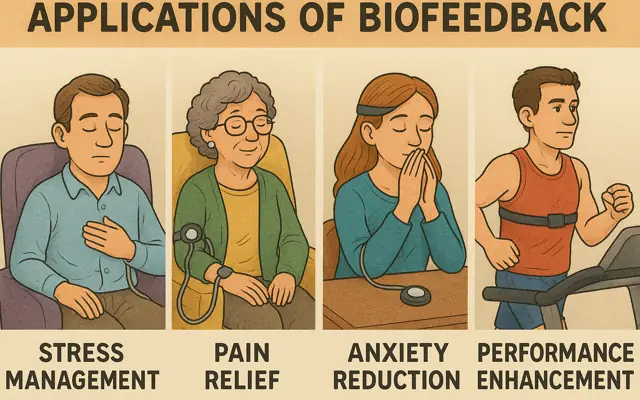
Heart rate variability biofeedback trains slow breathing to build resilience and calm. Learn how HRV biofeedback works, what studies show for stress, sleep and habits, and how to start safely.
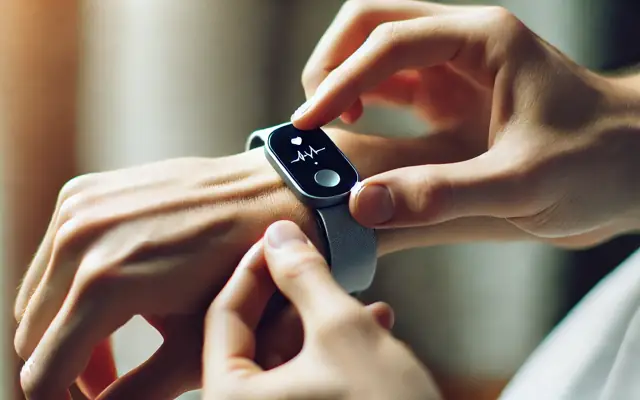
Biofeedback can support healthy habits by making stress, heart rate and sleep visible. Learn how to pair sensors with goals, avoid overtracking and combine feedback with proven habit strategies.
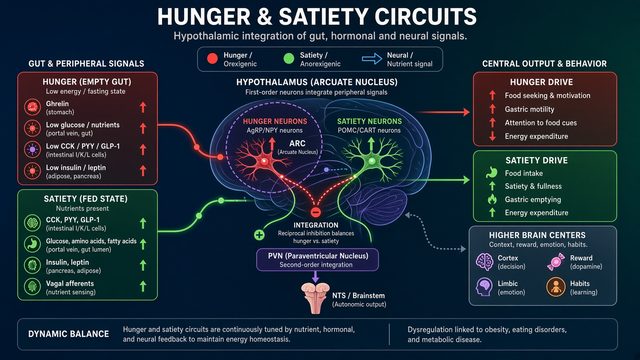
Can biofeedback help with stress eating? Learn how heart rate variability training, mindfulness and awareness of body signals may reduce emotional eating and cravings, and what the evidence says.

Dehydration can raise perceived stress and heart rate, while stress changes fluid balance. Learn how hydration affects HRV and arousal, what biofeedback can show and how to stay balanced.
More articles in this topic are being added. Meanwhile, see the neurology clinic directory.